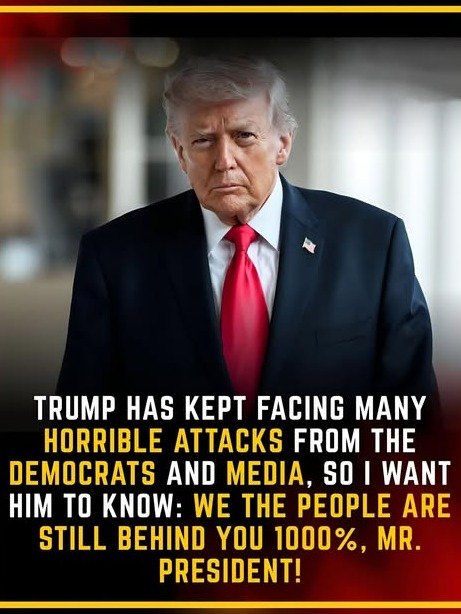
Forget everything you thought you knew about political figures. Donald Trump isn’t just a former president; he’s a phenomenon that continues to split America right down the middle, baffling pundits and solidifying loyalties. His presence in the political arena, whether as a candidate or a potent voice, consistently ignites a firestorm of passionate debate, revealing the profound ideological chasms that define our modern landscape.
From the moment he descended the escalator in Trump Tower, Donald Trump has been a political earthquake, shaking the foundations of traditional politics and forcing a re-evaluation of what constitutes a ‘typical’ leader. This isn’t just about policy differences; it’s about deeply ingrained values, cultural identities, and fundamentally different visions for the nation’s direction. Understanding this isn’t just interesting; it’s crucial for comprehending the current state of American society.
The Unyielding Core of Trump’s Support
For millions of Americans, Donald Trump represents far more than just a politician. He embodies a powerful counter-narrative to what they perceive as an out-of-touch establishment, a media elite, and a political class that has consistently ignored their concerns. His supporters often express a profound sense of being unheard, left behind by globalization, and culturally marginalized by progressive movements.
Many are drawn to his unapologetic, often confrontational style, seeing it as a refreshing antidote to what they view as overly polished and disingenuous political discourse. They appreciate his directness, his willingness to challenge political correctness, and his perceived authenticity, even when his remarks spark widespread controversy. This perceived ‘straight talk’ resonates deeply with those tired of conventional political rhetoric.
Economically, Trump’s promise to bring back manufacturing jobs, renegotiate trade deals, and prioritize American workers struck a chord with communities grappling with deindustrialization and economic uncertainty. His emphasis on a strong border and national sovereignty also appeals to a base concerned about immigration and the erosion of national identity. For these voters, Trump offered a tangible vision of a revitalized America.
- Anti-Establishment Appeal: Trump positioned himself as an outsider, fighting against a corrupt system.
- Economic Nationalism: Promises of jobs, tariffs, and ‘America First’ resonated with working-class voters.
- Cultural Grievances: Opposition to perceived ‘political correctness’ and identity politics.
- Direct Communication: Supporters valued his unfiltered, often provocative, rhetoric.
The Ferocity of Trump’s Opposition
On the other side of the spectrum, Donald Trump’s presidency and continued influence have galvanized an equally passionate and often furious opposition. Critics view his rhetoric and actions as a direct threat to democratic institutions, norms, and fundamental American values. They point to his challenges to election results, his criticisms of the justice system, and his often divisive language as deeply concerning for the future of the republic.
Many are deeply alarmed by what they perceive as a disregard for truth, a promotion of misinformation, and an erosion of civility in public discourse. They express profound concern over his policies on immigration, environmental protection, and international relations, seeing them as detrimental to human rights, global stability, and social justice. For these individuals, Trump represents a dangerous deviation from core democratic principles.
The opposition is often fueled by a belief that Trump’s presidency normalized extreme views and emboldened forces of intolerance. His critics frequently cite specific instances of his rhetoric or policy decisions as evidence of a pattern of behavior that undermines social cohesion and promotes division. This concern extends beyond policy to the very character and tone of national leadership.
“The enduring power of Donald Trump, both in his support and opposition, is a stark reflection of the profound ideological and cultural fissures that run through the heart of American society.” – Political Analyst, Dr. Evelyn Reed.
America’s Deepening Political Divisions
The intensity of feelings surrounding Donald Trump is not merely about one man; it’s a symptom of deeper, long-standing divisions that have been exacerbated and brought to the forefront. The political landscape has become increasingly polarized, with fewer swing voters and more entrenched ideological camps. This polarization impacts everything from policy-making to social interactions.
One significant factor contributing to this chasm is the fragmented media environment. The rise of partisan news outlets and the proliferation of social media have created echo chambers where individuals are primarily exposed to information that confirms their existing beliefs. This makes it increasingly difficult for people on opposing sides to find common ground or even agree on basic facts.
Moreover, the role of identity politics has intensified, with political alignment often tied to factors like race, religion, gender, and geographic location. The urban-rural divide, for instance, has become a potent symbol of differing cultural values and economic realities, with Trump often seen as a champion of rural and exurban communities against perceived urban elites.
- Media Fragmentation: Partisan news and social media reinforce existing biases.
- Identity Politics: Political alignment increasingly tied to group identity.
- Economic Disparity: Widening gaps fuel resentment and differing policy priorities.
- Cultural Wars: Deep divisions over social issues and values.
The Trump Effect: Reshaping Political Discourse
Donald Trump’s impact extends beyond policy and elections; he has fundamentally altered the nature of political discourse in America. His unconventional communication style, heavy reliance on social media, and willingness to challenge established norms have set a new precedent for how politicians engage with the public and with each other. This has both energized his base and infuriated his opponents.
His ascendancy also highlighted the growing divide between the political establishment and a segment of the electorate feeling left behind. This populist surge, which Trump effectively harnessed, is not unique to the United States but is a global phenomenon, reflecting widespread dissatisfaction with traditional governance and economic models.
The ongoing debates surrounding Trump have forced Americans to confront uncomfortable questions about their shared values, the strength of their democratic institutions, and their capacity for civil disagreement. The sheer volume and intensity of political news, often dominated by controversies surrounding the former president, have made it difficult for other issues to gain sustained attention.
Navigating a Fragmented Future
The enduring magnetism and divisiveness of Donald Trump pose significant challenges for the future of American politics. Healing these deep divisions will require more than just a change in leadership; it will demand a fundamental shift in how citizens engage with information, how political leaders communicate, and how communities find common ground amidst profound differences.
For supporters, the call to ‘Make America Great Again’ remains a powerful rallying cry, representing a desire for a return to perceived prosperity and traditional values. For critics, the imperative is to protect democratic institutions and uphold principles of inclusivity and justice, often seeing a need to move forward from what they view as a dangerous period.
The political landscape, shaped by the ‘Trump effect,’ continues to be volatile and unpredictable. Understanding the underlying currents of support and opposition, and the deep societal fissures they reveal, is essential for anyone hoping to navigate or influence the trajectory of American democracy in the years to come. The debate isn’t going away, and its implications for the nation are profound and ongoing.
What Lies Ahead for America?
As the nation moves forward, the legacy of Donald Trump and the intense reactions he provokes will undoubtedly continue to shape political strategy, campaign rhetoric, and voter behavior. The challenge for leaders across the political spectrum will be to address the legitimate concerns of all Americans, rather than simply catering to one side of the divide.
Ultimately, the story of Donald Trump’s enduring appeal and fierce opposition is a mirror reflecting the complex, often contradictory, desires and fears of a nation grappling with its identity in a rapidly changing world. The question remains: can America bridge these profound divisions, or will they continue to widen, creating an even more fractured society?
About the Author




