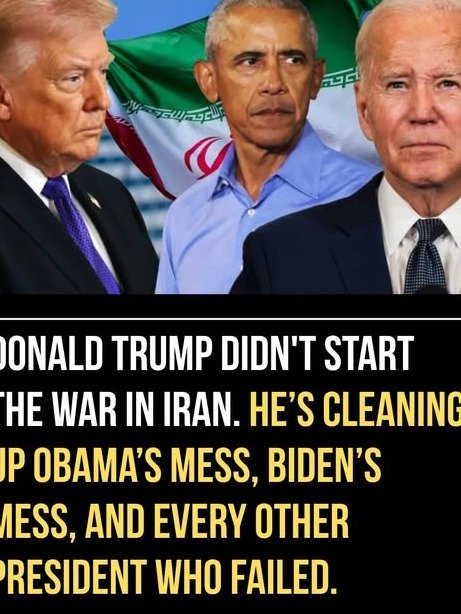
Forget what what the headlines tell you. The escalating tensions with Iran aren’t a sudden storm, nor did they begin with the last presidential administration. What we’re witnessing today is the culmination of nearly half a century of complex geopolitical maneuvering, ignored red flags, and a series of agreements that, in hindsight, may have done more to embolden than contain.
The narrative that Iran’s current threat level emerged overnight, or solely from recent policy shifts, misses the profound historical currents that shaped its trajectory. To truly understand the gravity of the situation, we must rewind the clock, examining the pivotal moments and consistent patterns of international engagement that allowed Iran to grow into the formidable, often destabilizing, force it is today.
The Revolutionary Roots: A New Era of Confrontation
The seeds of the current crisis were sown deep in the tumultuous year of 1979, with the Iranian Revolution. This wasn’t merely a change in government; it was a radical ideological transformation that redefined Iran’s relationship with the West and the entire global order. The overthrow of the U.S.-backed Shah and the establishment of an Islamic Republic immediately set Iran on a collision course with American interests and its regional allies.
The hostage crisis at the U.S. embassy, lasting 444 agonizing days, served as a stark, early warning sign of Iran’s new, confrontational posture. It signaled a clear departure from traditional diplomacy and an embrace of revolutionary tactics that would become a hallmark of its foreign policy. This event profoundly shaped American perceptions and laid the groundwork for decades of mistrust and antagonism.
Forging a Regional Power: War, Proxies, and Ambition
In the 1980s, the brutal Iran-Iraq War, lasting eight years, further solidified the regime’s resolve and militaristic capabilities. Forced to fight for its survival against a U.S.-supported Saddam Hussein, Iran developed a deep-seated suspicion of external powers and a strategic imperative to cultivate asymmetric warfare capabilities and regional proxy forces. This period was crucial in the development of groups like Hezbollah in Lebanon, which would become a powerful tool for projecting Iranian influence.
While the world focused on other geopolitical hotspots, Iran was quietly building a network of influence and developing its military doctrine. These early proxy relationships, often funded and trained by Tehran, allowed Iran to extend its reach and challenge rivals without direct confrontation, effectively externalizing its conflicts and minimizing direct accountability.
The Nuclear Shadow: Covert Programs and Global Concern
As the 1990s progressed, whispers of a covert Iranian nuclear program began to surface. Despite signing the Nuclear Non-Proliferation Treaty (NPT), Iran’s clandestine activities, eventually exposed in the early 2000s, confirmed international fears. This revelation marked a critical turning point, placing Iran’s nuclear ambitions at the forefront of global security concerns.
The international community’s response was often characterized by a mix of escalating sanctions and diplomatic overtures. However, these efforts were frequently perceived as “empty warnings” by Tehran, lacking the decisive force needed to halt its progress. Iran, learning to navigate and exploit these cycles, continued to advance its nuclear know-how and infrastructure, inch by painful inch.
Cycles of Sanctions and Diplomacy: The Illusion of Control
Throughout the early 21st century, the pattern became clear: Iran would push the boundaries, the international community would impose sanctions, and then a new round of negotiations would begin. From the Clinton administration’s dual containment policy to the Bush administration’s “Axis of Evil” designation, and later, the Obama administration’s emphasis on diplomacy, the fundamental challenge remained.
“The problem with many of our past engagements was not a lack of effort, but a fundamental misunderstanding of Iran’s long-term strategy. We often reacted to symptoms rather than addressing the underlying ideological and strategic drivers,” noted one veteran diplomat.
These cycles, while sometimes yielding temporary concessions, often failed to fundamentally alter Iran’s strategic direction. The “weak agreements” often included sunset clauses or lacked robust verification mechanisms, allowing Iran to bide its time and resume controversial activities once international scrutiny waned.
The JCPOA Era: A Brief Pause, A Deepening Divide
The Joint Comprehensive Plan of Action (JCPOA), signed in 2015, represented the pinnacle of international diplomacy with Iran. It aimed to curtail Iran’s nuclear program in exchange for sanctions relief, offering a potential path to de-escalation. Many hailed it as a landmark achievement, preventing a nuclear-armed Iran in the short term.
However, critics quickly pointed to its perceived flaws: the temporary nature of some restrictions, the lack of provisions for Iran’s ballistic missile program, and its continued support for regional proxies. These “weak agreements,” they argued, merely delayed the inevitable and allowed Iran to consolidate its non-nuclear power projection capabilities.
- Sunset Clauses: Critics argued these clauses would allow Iran to resume enrichment activities after a specified period.
- Missile Program Exclusion: The deal did not address Iran’s development of ballistic missiles, a key concern for regional security.
- Regional Malign Activity: Iran’s support for proxies like Hezbollah and Houthi rebels continued unchecked, fueling regional instability.
The subsequent U.S. withdrawal from the JCPOA in 2018 under the Trump administration, followed by a “maximum pressure” campaign, dramatically altered the landscape. While intended to force Iran back to the negotiating table for a “better deal,” it arguably pushed Tehran to accelerate its nuclear program and intensify its regional provocations, demonstrating the fragility of previous agreements.
The Current Crisis: Decades of Accumulation Unveiled
Today’s crisis is a direct consequence of this long, complex history. Iran, feeling cornered and emboldened by its past successes in navigating international pressure, has pushed its nuclear enrichment levels closer to weapons-grade purity than ever before. Its missile capabilities have grown sophisticated, and its network of proxies remains a potent force, capable of striking targets across the Middle East.
The ongoing regional conflicts, from Yemen to Syria and Lebanon, bear the fingerprints of Iranian influence, often clashing directly or indirectly with Saudi Arabia, Israel, and other U.S. allies. Each confrontation, each drone attack, each maritime incident, is not an isolated event but a thread in a tapestry woven over decades.
The Cost of Empty Warnings and Weak Agreements
The central thesis remains: Iran did not become a threat overnight. It grew, steadily and strategically, through years where international responses were either insufficient, inconsistent, or lacked the sustained resolve to truly alter its course. The “empty warnings” that lacked credible enforcement mechanisms allowed Iran to test boundaries without severe repercussions.
Similarly, “weak agreements” provided temporary relief but often failed to address the core issues of Iran’s revolutionary ideology, its pursuit of regional hegemony, and its long-term nuclear ambitions. These agreements, while well-intentioned, may have inadvertently given Iran the time and space to strengthen its position, leading us to the precarious situation we face today.
Looking Ahead: Understanding the Long Game
Understanding the decades-long evolution of the Iran crisis is not about assigning blame to a single administration or policy; it’s about recognizing the profound historical context that shapes current events. The challenges posed by Iran are deeply entrenched, a product of revolutionary fervor, strategic opportunism, and a consistent pattern of international engagement that, for various reasons, failed to contain its ambitions effectively.
Moving forward, any effective strategy must acknowledge this intricate past. There are no quick fixes for a problem decades in the making. Only by understanding the roots of this enduring conflict can we hope to chart a more stable and secure path for the future of the Middle East and beyond.
About the Author




