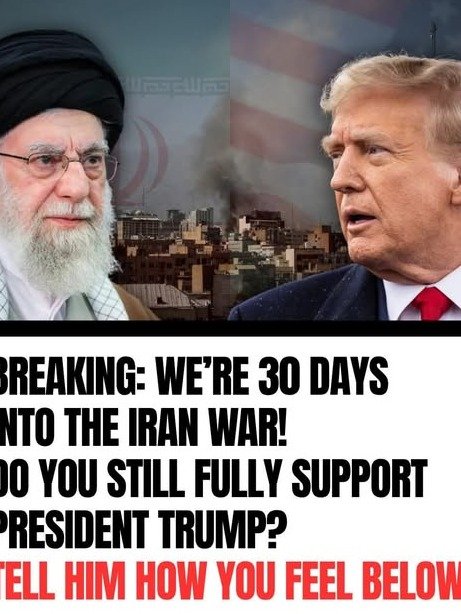
Imagine a powder keg, steadily heating up for nearly a month, with the world holding its breath. That’s precisely the situation between the United States and Iran right now, a geopolitical chess match with stakes higher than ever before. After roughly 30 days of escalating tensions, this critical standoff remains front and center in U.S. foreign policy considerations, dominating headlines and diplomatic efforts.
Yet, amidst this high-stakes drama, there’s a crucial internal struggle: Americans themselves are deeply split on how to navigate this perilous path. Recent polling reveals a nation divided, grappling with the complexities of long-standing animosity, economic pressure, and the looming shadow of potential conflict. What exactly led us to this precipice, and what does this division mean for the future of one of the world’s most volatile relationships?
A Legacy of Mistrust: The Deep Roots of U.S.-Iran Animosity
To understand the current climate, one must look back at decades of strained relations. The 1979 Iranian Revolution and the subsequent hostage crisis fundamentally reshaped the U.S.-Iran dynamic, planting seeds of deep distrust that have blossomed into persistent antagonism. For over forty years, mutual suspicion and ideological clashes have defined the relationship, punctuated by periods of intense confrontation and fleeting hopes for reconciliation.
Following the revolution, the United States imposed a series of escalating sanctions, aiming to curb Iran’s nuclear ambitions, support for regional proxy groups, and human rights record. Tehran, in turn, has consistently viewed U.S. policy as an attempt at regime change and an infringement on its sovereignty, often responding with defiance and a determination to assert its regional influence.
The brief reprieve offered by the 2015 Joint Comprehensive Plan of Action (JCPOA), commonly known as the Iran Nuclear Deal, proved temporary. The U.S. withdrawal from the agreement in 2018, followed by a
About the Author




