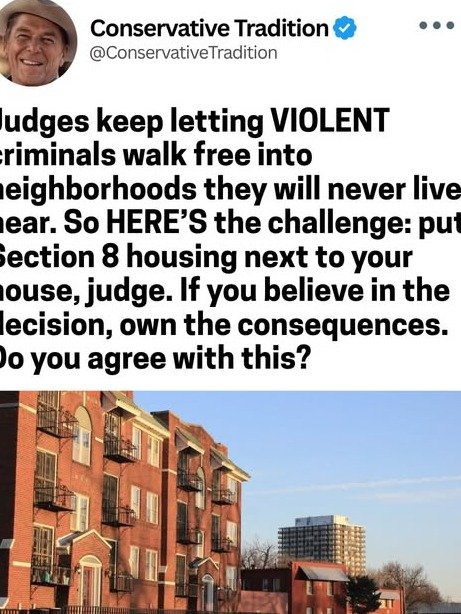
Imagine a quiet evening at home, a sense of security washing over you, only to realize that the very system designed to protect you might be putting your family at risk. Across America, a disturbing trend is unfolding, one that sees convicted criminals, deemed dangerous by their past actions, being released back into the very communities struggling to maintain peace and safety.
This isn’t a random occurrence; it’s a pattern, say critics, driven by what many are calling ‘activist judges’ – individuals whose judicial philosophies appear to prioritize certain ideologies over the immediate safety and well-being of working-class neighborhoods. The stark reality is that these decisions often impact areas far removed from the judges’ own secure enclaves, creating a palpable sense of injustice and fear among residents.
The Alarming Rise of ‘Activist’ Judicial Philosophies
What exactly defines an ‘activist judge’ in this context? It’s a term often applied to judges whose rulings are perceived to go beyond the strict interpretation of law, instead reflecting personal or political beliefs. Critics argue that these judges sometimes lean heavily on theories of rehabilitation, systemic injustice, or bail reform, even when faced with offenders who pose a clear and present danger to the public.
This judicial approach, while often championed by its proponents as progressive or enlightened, can have devastating consequences for the communities on the receiving end. When a judge makes a decision that results in a repeat offender or a violent criminal returning to the streets, it’s not merely a legal abstract; it’s a direct threat to the lives and livelihoods of ordinary citizens.
Who Are These ‘Dangerous Convicted Criminals’?
The phrase ‘dangerous convicted criminals’ isn’t just hyperbole. We’re talking about individuals who have been found guilty of serious offenses – violent assaults, repeat robberies, drug trafficking, and other crimes that erode the fabric of society. Their convictions represent a documented history of harm, yet, under certain judicial interpretations, they find themselves back in circulation sooner than many believe is safe or just.
The public outcry often stems from cases where individuals with extensive criminal records are granted early release, lenient sentences, or low bail for new offenses, only to re-offend. This cycle not only perpetuates crime but also shatters public trust in the justice system’s ability to protect its most vulnerable members.
“When judges prioritize abstract legal theories over concrete community safety, they betray the very people they swore to protect.” – Concerned Citizen Advocate
Working-Class Neighborhoods: The Unfair Burden
It’s no coincidence that the original concern highlighted working-class neighborhoods. These areas often bear the brunt of such judicial decisions for several reasons. They typically have fewer resources, less political representation, and are already struggling with higher crime rates and socioeconomic challenges.
When dangerous individuals are released into these communities, the existing problems are exacerbated. Residents, many of whom work hard to provide for their families and build stable lives, find their efforts undermined by an escalating climate of fear and insecurity. Property values can decline, local businesses suffer, and the overall quality of life diminishes.
The Disconnect: Judges in Ivory Towers?
Perhaps one of the most galling aspects of this issue for many is the perceived disconnect between the judges making these decisions and the communities affected. Critics argue that many judges and policymakers reside in affluent, low-crime areas, far removed from the daily realities of neighborhoods grappling with increased crime rates.
This geographical and socioeconomic divide fuels the accusation that these judicial decisions are made in a vacuum, without a true understanding of their ground-level impact. It raises the uncomfortable question: would these same judges make similar decisions if their own families and neighborhoods were directly exposed to the consequences?
- Lack of Empathy: A perceived inability to truly grasp the fear and trauma inflicted on victims and communities.
- Ideological Blind Spots: Over-reliance on theoretical models of justice that may not align with practical safety needs.
- Geographic Isolation: Judges often live in areas with vastly different crime statistics and community structures.
The Real-World Consequences: A Cascade of Fear
The impact of releasing dangerous criminals extends far beyond individual incidents of crime. It creates a ripple effect throughout the entire community, fostering a pervasive sense of unease and distrust. Parents worry about their children playing outside, seniors fear being alone, and everyone questions the effectiveness of law enforcement.
This erosion of trust isn’t just directed at the judicial system; it can also strain relationships between communities and local police. When officers work tirelessly to apprehend criminals, only to see them quickly released, it demoralizes law enforcement and frustrates residents who feel their efforts are futile.
Examining the Arguments for Lenient Sentencing
It’s important to acknowledge the arguments often put forth by those who advocate for more lenient sentencing or bail reform. These arguments frequently center on issues like reducing mass incarceration, addressing systemic racial biases in the justice system, promoting rehabilitation, and avoiding the criminalization of poverty.
While these are valid and critical discussions, opponents argue that they must be balanced against the paramount need for public safety. The debate often boils down to whether the pursuit of broader societal reforms should come at the expense of immediate community protection, especially when dealing with individuals proven to be dangerous.
For many residents of working-class neighborhoods, the theoretical benefits of certain reforms feel abstract compared to the very real and immediate danger posed by a violent offender living next door. The question becomes: how do we achieve justice and reform without sacrificing the safety of innocent citizens?
What Can Be Done? Demanding Accountability and Change
Addressing this complex issue requires a multi-faceted approach, starting with increased accountability for judicial decisions. Residents and community leaders must demand transparency and engage in the discourse surrounding judicial appointments and policies.
- Community Advocacy: Organizing and speaking out against policies that jeopardize public safety.
- Judicial Review: Scrutinizing judicial records and voting patterns to inform the public.
- Legislative Action: Advocating for stronger sentencing guidelines and bail reform that prioritizes community safety.
- Supporting Law Enforcement: Empowering police to do their job effectively without undue political interference.
Ultimately, the call is for a justice system that is truly just for all – one that holds criminals accountable, prioritizes the safety of law-abiding citizens, and restores trust in its ability to protect communities, not just theorize about reform. It’s time for judges to step out of their insulated bubbles and truly understand the devastating impact of their decisions on the streets where ordinary Americans live, work, and raise their families.
The safety of our neighborhoods should not be a negotiable ideal. It is a fundamental right that demands unwavering protection from all branches of government, including the judiciary. The time to demand that protection is now, before more communities are forced to pay the ultimate price for judicial activism.
About the Author




