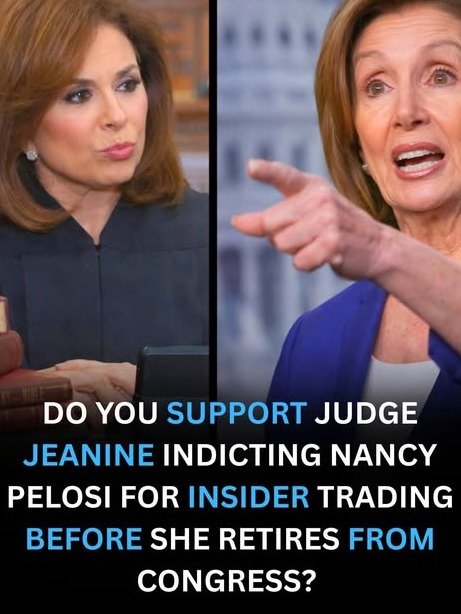
Imagine a world where the very people making laws that shape our economy are also actively trading stocks, potentially benefiting directly from the policies they enact. This isn’t a hypothetical scenario; it’s the heart of a raging national debate that has once again gripped the nation.
The issue of congressional stock trading has ignited a firestorm of controversy, sparking urgent calls for greater transparency and accountability from all corners. Citizens, watchdog groups, and even some lawmakers are demanding a closer look at how elected officials manage their personal investments, raising serious questions about potential conflicts of interest and the erosion of public trust.
The Core of the Conflict: Information as Power
At its core, the debate revolves around the immense power of information. Members of Congress are privy to highly sensitive, non-public information about upcoming legislation, economic forecasts, defense contracts, and health initiatives long before the general public. This privileged access creates an inherent advantage in the stock market.
Critics argue that even without explicit intent, this access can lead to trades that appear to be based on insider knowledge, whether consciously or unconsciously. The perception alone, they contend, undermines the integrity of both the financial markets and the legislative process itself.
“When members of Congress trade stocks, it’s not just about individual ethics; it’s about the fundamental fairness of our system. The public deserves to know that their representatives are working for them, not for their portfolios.” — A prominent ethics advocate
The Current Landscape: The STOCK Act and Its Limitations
In response to previous concerns, Congress passed the Stop Trading on Congressional Knowledge (STOCK) Act in 2012. This bipartisan law was designed to combat potential insider trading by explicitly stating that members of Congress and their staff are not exempt from insider trading laws.
The STOCK Act also mandated more frequent and public disclosure of stock trades, requiring lawmakers to report transactions exceeding $1,000 within 45 days. While a step in the right direction, many now argue that the Act hasn’t gone far enough to prevent the appearance, or reality, of conflicts of interest.
Why the STOCK Act Falls Short for Many
Despite its intentions, the STOCK Act has faced significant criticism for several reasons. One major loophole, according to watchdogs, is the enforcement mechanism. While the law requires disclosures, the penalties for late or inaccurate reporting are often minimal, leading to a culture where violations can be seen as a minor inconvenience rather than a serious breach.
Furthermore, the Act doesn’t prohibit members from trading individual stocks at all; it merely requires disclosure. This means that even if a trade appears questionable, proving direct insider trading intent can be incredibly difficult, often relying on circumstantial evidence.
The Erosion of Public Trust: A Looming Crisis
The controversy surrounding congressional stock trading isn’t just about financial ethics; it’s deeply intertwined with public trust in government. When citizens see reports of lawmakers making profitable trades around the same time as major policy shifts or economic crises, it fuels cynicism and the belief that the system is rigged.
This erosion of trust can have far-reaching consequences, impacting voter turnout, confidence in democratic institutions, and the willingness of the public to support legislative initiatives. In an era of increasing political polarization, maintaining the ethical high ground is more critical than ever.
Arguments Against an Outright Ban: Personal Liberty vs. Public Interest
While calls for a complete ban on individual stock trading by members of Congress are growing louder, there are also arguments against such a sweeping measure. Some lawmakers and their supporters contend that a ban infringes on personal liberty and the right of individuals to manage their own finances.
They argue that members of Congress should not be treated differently from other citizens and that existing laws, if properly enforced, are sufficient. Furthermore, some suggest that forcing lawmakers into blind trusts or broad index funds could discourage talented individuals with financial expertise from seeking public office.
Proposed Solutions: A Path Towards Greater Accountability
Recognizing the limitations of the current system, various solutions have been proposed to address the issue of congressional stock trading. These range from stricter enforcement to fundamental changes in how lawmakers manage their assets.
- Outright Ban on Individual Stock Trading: This is the most frequently discussed proposal, advocating that members of Congress and their immediate families should not be allowed to buy or sell individual stocks while in office. They would instead be required to invest in diversified mutual funds or exchange-traded funds (ETFs).
- Mandatory Blind Trusts: Another popular option is to require all lawmakers to place their assets into a qualified blind trust. In a blind trust, the lawmaker has no knowledge or control over the investment decisions, which are made by an independent third party, thereby removing any potential for perceived or actual conflict of interest.
- Increased Penalties and Enforcement: Even without a full ban, strengthening the penalties for STOCK Act violations and increasing the resources for oversight bodies like the House and Senate Ethics Committees could significantly deter non-compliance.
- Expanded Disclosure Requirements: Some propose more granular and timely disclosure, perhaps even real-time reporting, to allow for immediate public scrutiny of trades.
The Bipartisan Push for Reform
Interestingly, the calls for reform are not confined to a single political party. Lawmakers from across the aisle have voiced support for stricter rules, indicating a growing bipartisan consensus that the current situation is untenable.
This cross-party agreement highlights the universal concern about maintaining ethical standards in government and ensuring that public service remains untainted by personal financial gain. The challenge now lies in translating this consensus into concrete legislative action.
The Global Perspective: How Other Nations Handle It
The United States is not alone in grappling with this issue. Many other developed nations have implemented stricter rules regarding financial disclosures and stock trading for their elected officials. For example, some countries impose outright bans on individual stock ownership for high-ranking officials or require more stringent blind trust arrangements.
Looking at international best practices can provide valuable insights and models for how the U.S. might strengthen its own ethical framework, demonstrating that effective solutions are indeed possible without compromising democratic principles.
What’s Next? The Urgency of Action
The debate over congressional stock trading is more than just a political talking point; it’s a critical examination of the very integrity of our democratic institutions. With public skepticism at an all-time high, decisive action is needed to restore faith and ensure that elected officials are truly serving the public interest.
Whether through an outright ban, mandatory blind trusts, or a combination of enhanced regulations and enforcement, the time for meaningful reform is now. The future of public trust, and perhaps even the health of our democracy, may depend on how Congress chooses to address this pressing issue.
The calls for greater transparency and accountability are not fading; they are amplifying. It’s a clear message to Washington: the public demands a government that is not only effective but also unimpeachably ethical.
About the Author




