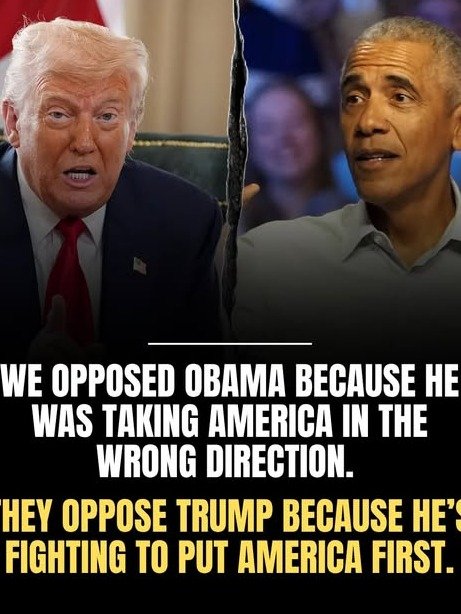
Have you ever wondered why political disagreements today feel so much more intense, personal, and even visceral than they used to? It’s not just your imagination. America is currently navigating a chasm unlike any in its modern history, a profound political divide that cuts through families, friendships, and communities, fueled significantly by our polarized reactions to the nation’s highest office: the presidency.
The sheer contrast in how different segments of the population perceive and react to both past and present presidents is nothing short of astonishing. What one group hails as strong leadership, another condemns as tyranny. What one praises as visionary, another dismisses as dangerous. This isn’t merely a difference of opinion; it’s a fundamental divergence in understanding reality itself, and it’s deepening the fault lines of our society at an alarming rate.
The Echoes of History: Was It Always This Bad?
It’s tempting to look back at history with rose-tinted glasses, imagining a time when political discourse was always civil and presidents were largely respected. While certainly less vitriolic than today, American politics has always had its fierce battles. Think of the bitter partisan feuds during the early republic between Federalists and Anti-Federalists, or the intense animosity surrounding figures like Andrew Jackson or Abraham Lincoln.
However, what distinguishes the current era is the pervasive, all-encompassing nature of the divide. Past disagreements often revolved around specific policies or ideologies; today, the very legitimacy and character of the president, and by extension, their supporters, are constantly under assault. This shift from policy debate to personal attack has corrosive effects on the fabric of democracy.
The Modern Media Landscape: A Double-Edged Sword
One of the most significant accelerants of this political polarization is the evolution of the media landscape. The rise of 24/7 news cycles, cable news channels with distinct political leanings, and the omnipresence of social media have fundamentally altered how we consume information and perceive our leaders.
In an age where algorithms curate our news feeds, we often find ourselves trapped in echo chambers, constantly reinforced by opinions that mirror our own. This creates a distorted view of the world, where dissenting voices are rarely heard, and opposing viewpoints are easily demonized. Social media, in particular, has become a hotbed for misinformation and outrage, making nuanced political discussion increasingly rare.
- Filter Bubbles: Algorithms show us content we’re likely to agree with, limiting exposure to diverse perspectives.
- Confirmation Bias: We naturally seek out information that confirms our existing beliefs, strengthening our convictions and making us less open to new ideas.
- Outrage Culture: Sensationalized headlines and emotionally charged content drive engagement, often at the expense of factual reporting and thoughtful analysis.
Identity Politics and the Culture Wars
Beyond policy and personality, the modern political divide is also deeply intertwined with identity politics and the ongoing culture wars. For many, political affiliation has become a core component of their personal identity, making any criticism of their chosen political leader feel like a personal attack.
Issues ranging from social justice and gender identity to religious freedom and historical narratives have become highly politicized, serving as battlegrounds in a broader cultural struggle. When political leaders become symbols in these larger fights, reactions to them become intensely personal and deeply emotional, transcending traditional policy debates.
“When politics becomes tribal, reason often takes a backseat to loyalty.” – A common observation on modern political dynamics.
The Erosion of Trust in Institutions
A critical factor contributing to the depth of the divide is the widespread erosion of trust in traditional institutions. From the press and the judiciary to scientific bodies and even the electoral process itself, faith in the pillars of democracy has significantly weakened for large segments of the population.
When people no longer trust the institutions meant to provide objective information or uphold impartial justice, they become more susceptible to partisan narratives and conspiracy theories. This lack of shared trust makes it incredibly difficult to find common ground or even agree on basic facts, let alone the merits of a president’s actions.
The ‘Us vs. Them’ Mentality: A Dangerous Game
The stark contrast in reactions to presidents often stems from an ingrained ‘us vs. them’ mentality. For one side, their president represents a defender against existential threats, a champion of their values, and a symbol of hope. For the other, the same president is seen as a dangerous demagogue, a threat to democracy, and an embodiment of everything they oppose.
This tribalistic approach makes compromise nearly impossible. If the opposing side is viewed not just as having different ideas, but as inherently evil or misguided, then engaging with them on any level becomes a concession, a betrayal. This mindset ensures that any action by a president, regardless of its objective merits, will be framed through a partisan lens.
The Psychological Toll of Constant Conflict
Living in such a deeply polarized environment takes a significant psychological toll on individuals and society as a whole. The constant barrage of partisan rhetoric, the feeling of being misunderstood or attacked, and the breakdown of civil discourse can lead to increased stress, anxiety, and even depression.
It also fuels cynicism and disengagement, as many become exhausted by the endless bickering and feel powerless to effect change. Families and friendships are strained, and the ability to connect with those holding different views becomes increasingly difficult, leading to greater social isolation and fragmentation.
- Mental Health: Constant exposure to political conflict can elevate stress and anxiety.
- Social Isolation: Disagreements can lead to fractured relationships and reduced social cohesion.
- Civic Disengagement: Exhaustion from the political climate can lead to apathy and decreased participation.
Breaking the Cycle: Can We Bridge the Divide?
Acknowledging the depth of the divide is the first step towards addressing it. While there are no easy answers, several approaches could help mitigate the intensity of this polarization and foster a more constructive political environment.
One crucial element is promoting media literacy and critical thinking. Encouraging individuals to question sources, seek diverse perspectives, and understand the motivations behind different narratives can help break down echo chambers. Supporting independent journalism and platforms that prioritize facts over sensationalism is also vital.
Empathy and Dialogue: Rebuilding Connections
Perhaps the most challenging, yet essential, step is to cultivate empathy and encourage genuine dialogue across political lines. This means making an effort to understand the concerns, fears, and motivations of those who hold different views, rather than immediately dismissing or demonizing them.
It requires a willingness to engage in respectful conversations, even when disagreements are profound. Focusing on shared values and common goals, rather than just differences, can reveal unexpected areas of consensus and cooperation. Local community efforts, civic organizations, and educational initiatives can play a significant role in fostering these connections.
The Path Forward: A Shared Responsibility
Ultimately, addressing America’s deep political divide is a shared responsibility. It requires introspection from political leaders to model civility and seek common ground, from media organizations to prioritize balanced reporting, and most importantly, from individual citizens to engage thoughtfully, critically, and empathetically with the world around them.
The contrasting reactions to presidents are more than just political commentary; they are a symptom of a deeper societal ailment. Understanding its roots and committing to a path of healing and reconciliation is not just about improving politics, but about preserving the very future of a united America. The stakes are too high to ignore this critical challenge.
Reclaiming Common Ground
The intensity of the current political divide, so vividly reflected in our reactions to presidential figures, is a stark reminder that our political health is intrinsically linked to our societal well-being. Moving forward requires more than just policy changes; it demands a fundamental shift in how we interact with information and with each other.
It’s about remembering that despite our differences, we are all part of the same nation, striving for a better future. Only by consciously working to bridge the chasm, one conversation, one informed decision, and one act of empathy at a time, can we hope to navigate this challenging period and emerge stronger as a united people.
The Power of Individual Action
While the challenges seem immense, the power of individual action should not be underestimated. Each person’s commitment to seeking truth, engaging respectfully, and resisting the urge to demonize those with differing opinions can collectively shift the national discourse. It begins with questioning our own biases and actively seeking out diverse viewpoints, rather than passively consuming what confirms our existing beliefs.
By fostering environments where respectful disagreement is possible, whether in our homes, workplaces, or online communities, we can start to chip away at the walls of division. The future of our political landscape and the health of our democracy depend on our collective willingness to look beyond the immediate partisan battles and work towards a more cohesive, understanding society.
About the Author




