Imagine showing up to work every single day, performing a critical public service, but knowing your paycheck might never arrive. This wasn’t a hypothetical nightmare for thousands of Transportation Security Administration (TSA) workers during a past government shutdown; it was their stark reality. While they continued to safeguard our skies, a political stalemate left their families in an agonizing state of uncertainty.
It’s a scenario that highlights the profound human cost of partisan gridlock, where the well-being of essential personnel can become a bargaining chip in high-stakes political negotiations. The story of a proposed solution, championed even by members across the aisle, only to be dismissed by an unyielding executive stance, reveals a deeper issue about how our government functions—or fails to function—when it matters most.
The Unsung Heroes of Our Skies: TSA’s Critical Role
Before delving into the political drama, it’s crucial to understand the indispensable role TSA workers play in our daily lives. These dedicated individuals are the frontline guardians of air travel, ensuring the safety and security of millions of passengers every day. From scanning luggage to screening passengers, their vigilance is the bedrock of a secure aviation system.
During a government shutdown, many federal employees are furloughed, but TSA officers, deemed essential personnel, are required to continue working. This means they report for duty, maintain security protocols, and protect the public, all while facing the daunting prospect of not receiving their rightful wages. Their commitment, even in the face of immense personal financial stress, is a testament to their professionalism and dedication.
The Dire Reality: Working Without a Paycheck
For most of us, the idea of working without pay is unthinkable. Yet, for thousands of TSA officers and other essential federal workers during a shutdown, this becomes their lived experience. Bills don’t stop, rent is still due, and families still need to eat. The emotional and financial toll can be catastrophic, leading to immense stress, anxiety, and even the difficult choice between showing up for work and finding alternative ways to provide for their loved ones.
The impact extends far beyond individual households. Morale plummets, and the very effectiveness of critical services can be jeopardized. When those tasked with protecting our nation are worried about putting food on their tables, it raises serious questions about the priorities of our political leaders and the consequences of their inability to compromise.
A Bipartisan Lifeline: The Democrats’ Proposal
Amidst the financial hardship and growing public concern, a tangible solution emerged. Democrats put forward a proposal specifically aimed at ensuring that essential federal workers, including those at the TSA, would continue to receive their paychecks during the shutdown. This wasn’t just a vague idea; it was a concrete plan designed to alleviate immediate suffering.
“The Democrats proposed that TSA workers should be paid. The plan would work. They could receive their paychecks by the end of the week.”
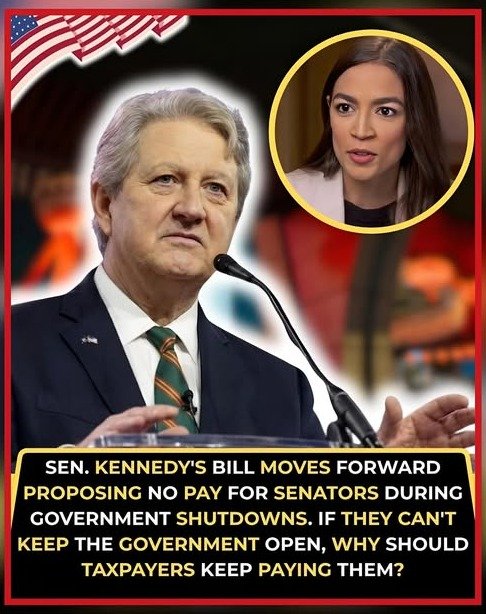
This statement, coming from Republican Senator John Kennedy, underscored the practicality and immediate feasibility of the Democrats’ proposal. It wasn’t a complex, long-term legislative overhaul, but a focused effort to address the urgent financial needs of essential personnel. It represented a potential bridge across the partisan divide, a moment where common ground could have been found to protect vulnerable workers.
Senator Kennedy’s Endorsement: A Glimmer of Hope
What makes Senator Kennedy’s acknowledgment particularly significant is his political affiliation. As a Republican, his endorsement of the Democrats’ plan lent it an important degree of bipartisan legitimacy. It signaled that, at least for some, the welfare of essential workers transcended rigid party lines and political posturing.
His assessment that “the plan would work” and that paychecks could be delivered “by the end of the week” highlighted the simplicity and effectiveness of the proposed solution. It wasn’t about winning political points; it was about solving an immediate, pressing problem for thousands of American families. This endorsement offered a brief, hopeful moment that perhaps, just perhaps, compassion and practicality might prevail over political intransigence.
The Unyielding Wall: “No Deals with Democrats”
However, that glimmer of hope was quickly extinguished by a firm and unyielding stance from the highest office. Despite the clear need, the bipartisan acknowledgment of a viable solution, and the suffering of thousands, the President’s response was definitive and uncompromising:
“BUT, the president said, ‘no deals with Democrats’.”
This stark refusal to negotiate or even consider a solution, simply because of its origin, sent a chilling message. It prioritized political leverage and ideological purity over the immediate welfare of essential government employees. The implication was clear: any proposal originating from the opposing party, regardless of its merit or the urgency of the situation, was off the table.
The Human Cost of Political Gridlock
This uncompromising stance had devastating real-world consequences. Essential TSA workers, along with countless others, continued to report for duty day after day, week after week, without knowing when their next paycheck would arrive. They faced mounting debts, difficult conversations with landlords, and the constant stress of an uncertain future.
- Financial Strain: Many lived paycheck to paycheck, making even a short delay catastrophic.
- Mental Health Impact: The stress and anxiety took a severe toll on workers and their families.
- Operational Risks: While dedicated, prolonged stress can impact focus and morale, potentially affecting security.
- Erosion of Trust: The incident eroded trust between the government and its dedicated workforce.
The decision to reject a straightforward solution wasn’t just a political move; it was a direct blow to the financial stability and peace of mind of thousands of American families. It demonstrated how deeply political battles can impact the lives of ordinary citizens, particularly those who dedicate their careers to public service.
Beyond the Headlines: The Bigger Picture of Governance
This incident serves as a stark reminder of the broader challenges inherent in our system of governance when partisan divisions run too deep. The inability to compromise on seemingly straightforward issues, especially when human welfare is at stake, highlights a fundamental breakdown in the legislative process. It raises questions about accountability, leadership, and the ethical responsibilities of those in power.
When political leaders prioritize ideological purity or partisan advantage over the basic needs of their workforce, the entire system suffers. It fosters cynicism among the public and creates an environment where essential services become vulnerable to political whims. This particular shutdown, and the rejection of a simple payment plan, became a symbol of a larger struggle for effective, compassionate governance.
A Call for Bipartisanship and Pragmatism
The episode of the unpaid TSA workers and the rejected payment plan underscores an urgent need for greater bipartisanship and pragmatism in politics. While healthy debate and ideological differences are vital for a vibrant democracy, there must be a point where common ground is found, especially when it concerns the fundamental well-being of the nation’s citizens and its essential workforce.
Finding solutions to critical issues should not be contingent on which party proposes them, but on their effectiveness and their benefit to the public. The ability to set aside partisan differences for the greater good is not merely an ideal; it is a practical necessity for a functional and humane government. The American people deserve leaders who can negotiate, compromise, and ultimately, govern responsibly.
Preventing Future Crises: Lessons Learned (or Not?)
The memories of that shutdown, and the hardship endured by essential workers, serve as a powerful cautionary tale. While the immediate crisis eventually passed, the underlying issues that led to it — political gridlock, uncompromising stances, and the weaponization of government funding — remain potent threats.
Moving forward, it is imperative for citizens to demand accountability from their elected officials. We must advocate for mechanisms that safeguard essential services and protect federal employees from becoming pawns in political games. Whether through legislative reforms that decouple essential worker pay from budget negotiations, or simply a renewed commitment to collaborative governance, the goal must be to prevent such a crisis from ever happening again.
The Enduring Impact
The story of the proposed payment plan for TSA workers, and its ultimate rejection, is more than just a footnote in political history. It’s a powerful narrative about the fragility of public service, the human cost of political brinkmanship, and the enduring need for leaders who prioritize people over politics. It reminds us that behind every policy debate and every headline, there are real individuals and families whose lives are profoundly affected by the decisions made in the halls of power. It’s a story that continues to resonate, urging us to question, to advocate, and to demand better for those who serve our nation.
What Can We Learn?
This incident offers several crucial takeaways:
- The Vulnerability of Essential Workers: Even those critical to national security can be left in financial peril.
- The Power of Partisan Gridlock: Ideological divides can override practical solutions and human compassion.
- The Importance of Bipartisan Cooperation: When solutions are clear, political origin shouldn’t be a barrier.
- The Need for Accountability: Citizens must hold leaders responsible for the impact of their decisions.
Ultimately, the saga of the unpaid TSA workers is a stark reminder that effective governance requires more than just political will; it demands empathy, pragmatism, and a genuine commitment to serving all citizens, especially those who serve us every single day.
About the Author




