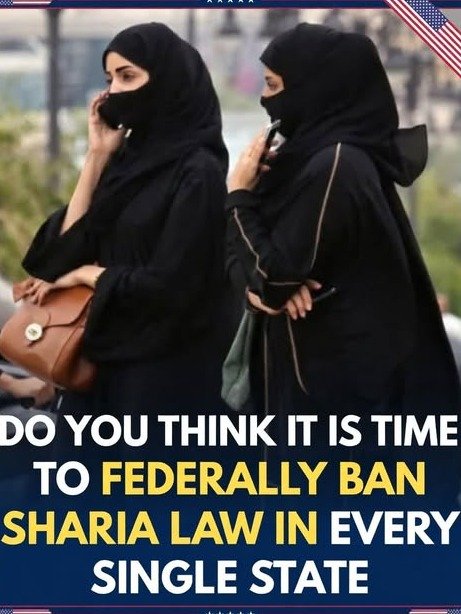
Imagine a single image, powerful enough to ignite a firestorm of debate across an entire nation. It’s not just a photograph; it’s a mirror reflecting the deepest anxieties and aspirations of a society grappling with its very identity. What truly governs the heart of America today? Is it the hallowed parchment of the Constitution, forged in revolutionary ideals, or the primal instinct of fear, often manipulated by powerful symbols?
This isn’t merely a philosophical question; it’s a stark reality playing out in our daily headlines and kitchen table conversations. The tension between upholding foundational democratic principles and succumbing to the allure of fear-based narratives has never been more palpable. It forces us to confront uncomfortable truths about who we are and what we truly value as a nation.
The Potent Power of Political Symbols
The sight of a political figure, such as Donald Trump, holding a Bible often transcends a simple photo opportunity. It becomes a deeply symbolic act, loaded with layers of meaning and ripe for interpretation across the cultural and political spectrum. For some, it represents a steadfast commitment to faith, traditional values, and a perceived moral backbone in leadership.
These supporters might view the gesture as a reassuring sign that their spiritual beliefs are acknowledged and championed, a beacon of strength in turbulent times. It can evoke a sense of shared identity and purpose, suggesting a divine mandate or a return to what they consider fundamental American principles. This symbolism taps into a powerful yearning for stability and a leader who embodies deeply held convictions.
However, for others, the same image can provoke an entirely different reaction. Critics often interpret such displays as performative, a cynical appropriation of sacred texts for political gain. They might see it as an attempt to weaponize religion, conflating personal faith with partisan agendas, and potentially undermining the crucial separation of church and state that the Constitution enshrines.
This duality highlights how symbols, especially those entwined with faith and national identity, are never neutral. They are battlegrounds where competing visions of America clash, each side projecting its hopes, fears, and interpretations onto the same visual cue. The Bible, in this context, becomes more than a book; it becomes a signifier in broader cultural debates about morality, power, and the direction of the country.
America’s Constitutional Bedrock: A Shield Against Chaos
At the core of the American experiment lies the Constitution, a revolutionary document designed to establish justice, ensure domestic tranquility, provide for the common defense, promote the general welfare, and secure the blessings of liberty. It’s not just a set of rules; it’s a framework built on Enlightenment ideals, emphasizing reason, checks and balances, and the protection of individual rights against potential overreach by the state or the tyranny of the majority.
This foundational document, with its intricate system of government, separation of powers, and the Bill of Rights, serves as a bulwark against arbitrary rule and emotional impulses. It mandates due process, protects free speech, religious freedom, and assembly, and ensures that power is distributed and accountable. The Constitution is meant to guide us through disagreements, providing a stable, predictable path even when passions run high.
“The Constitution is not a mere lawyer’s document; it is a machine for living. It is the framework which gives us our political life.” – Woodrow Wilson
Adherence to constitutional principles requires a commitment to the rule of law, even when it’s inconvenient or when the outcomes conflict with immediate desires. It demands respect for institutions, for minority rights, and for the processes designed to ensure fairness and prevent abuses. This commitment is what distinguishes a constitutional republic from systems driven by populism or authoritarianism, where emotions and fear often dictate policy.
The Shadow of Fear in Politics: A Potent Weapon
While the Constitution offers a framework for rational governance, fear operates on a much more primal level. It is an incredibly powerful human emotion, and throughout history, it has been expertly wielded by political actors to rally support, demonize opponents, and consolidate power. When people feel threatened, whether by economic instability, cultural shifts, or external enemies, they often become more susceptible to simplistic solutions and strongman rhetoric.
Political fear-mongering often involves creating an
About the Author




