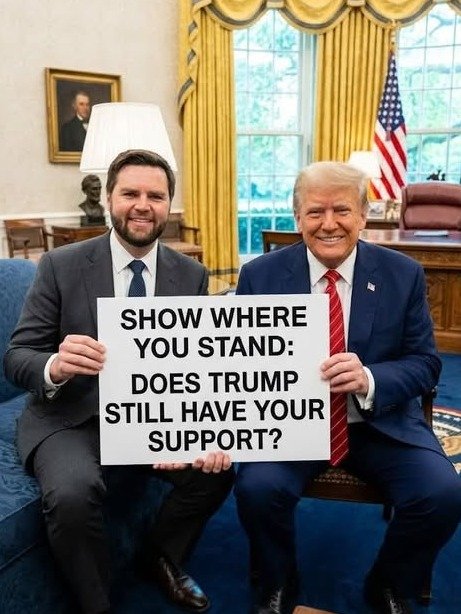
Imagine a nation where the streets are no longer a last resort, where every individual has a roof over their head and a genuine path to stability. This might sound like a distant dream, but a groundbreaking new initiative from Donald J. Trump and JD Vance aims to turn this vision into a tangible reality. They’ve just unveiled what they’re calling a ‘ferocious new war plan’ designed to decisively crush chronic homelessness across America.
For too long, the crisis of chronic homelessness has plagued our cities, leaving countless individuals without shelter and communities struggling to cope. Traditional approaches, often criticized as temporary fixes, have failed to stem the tide. Now, a powerful new strategy is on the table, promising not just to manage the problem, but to truly end the cycle of despair for those most in need.
A Radical Shift: Ending the Failures of the Past
Donald J. Trump and JD Vance are not mincing words: they believe past strategies have been a monumental failure. Their new plan, outlined with a sense of urgency and determination, seeks to dismantle the bureaucratic inefficiencies and ineffective programs that have allowed chronic homelessness to persist and even worsen in many areas. This isn’t just about providing more beds; it’s about a complete overhaul of how we address this complex issue.
The core of their proposal centers on a robust, multi-faceted approach that prioritizes accountability, direct intervention, and a focus on root causes. They argue that simply offering temporary shelter without addressing underlying issues like mental health, addiction, and lack of support systems is a disservice to both individuals experiencing homelessness and the communities they inhabit.
“We will end the failure of the past and deliver real solutions — no more band-aids. This is about restoring dignity, ensuring safety, and reclaiming our communities from a crisis that has gone on for too long,” stated a representative close to the campaign, echoing the strong sentiment behind the new initiative.
Targeting Root Causes: Mental Health and Addiction
One of the most significant pillars of the Trump-Vance plan is an aggressive focus on mental health and substance abuse treatment. A vast majority of individuals experiencing chronic homelessness also grapple with severe mental illness or debilitating addiction. The plan recognizes that without addressing these fundamental health crises, long-term stability remains an impossible dream.
Their strategy calls for significantly expanded access to comprehensive mental health services, including inpatient and outpatient care, crisis intervention, and long-term therapeutic support. It also emphasizes mandatory treatment programs for individuals whose conditions pose a danger to themselves or others, or who are unable to make sound decisions regarding their own care.
For those struggling with addiction, the plan proposes a dramatic increase in rehabilitation facilities, medically assisted treatment options, and robust recovery support networks. The goal is to move beyond simply offering detox and towards sustained sobriety and integration back into society, providing the tools and support necessary for lasting change.
Reclaiming Public Spaces: Order and Safety
Another critical component of this ‘war plan’ addresses the proliferation of tent cities and public encampments, which have become a visible symbol of the homelessness crisis in many urban centers. Trump and Vance assert that these encampments are not only unsafe for those living within them but also contribute to public health hazards and a decline in public order.
The strategy intends to implement a firm but compassionate approach to clear these encampments. However, unlike previous efforts that might simply displace individuals, this plan promises to provide immediate, alternative shelter and access to the aforementioned treatment programs. The emphasis is on transitioning individuals from unsafe street living into structured environments where they can receive necessary care and support.
- Enhanced Public Safety: Restoring order in public spaces, making parks and streets safe for all citizens.
- Mandatory Pathways to Shelter: Offering direct access to secure, supervised housing options instead of allowing street living.
- Health and Sanitation: Addressing the public health risks associated with unsanitary encampments.
This approach aims to strike a balance between maintaining public order and ensuring that those experiencing homelessness are not simply moved from one street corner to another, but are instead guided towards genuine solutions.
Streamlining Support and Ensuring Accountability
The Trump-Vance plan also takes aim at the complex and often fragmented system of social services designed to help the homeless. They argue that layers of bureaucracy and a lack of coordination between various agencies often hinder effective assistance, leading to wasted resources and continued suffering.
Their proposal includes initiatives to streamline federal, state, and local programs, creating a more cohesive and efficient network of support. This would involve consolidating funding streams, reducing administrative overhead, and implementing performance-based metrics to ensure that programs are actually delivering measurable results in reducing chronic homelessness.
Accountability is a key theme, not just for the programs themselves, but also for individuals receiving assistance. The plan suggests that while support will be readily available, there will also be an expectation of engagement with treatment, job training, or other pathways to self-sufficiency, where appropriate and possible.
Prioritizing Our Veterans: A Sacred Duty
A particularly poignant aspect of the initiative focuses on ending homelessness among veterans. Trump and Vance emphasize that ensuring our nation’s heroes have a stable home and access to care is a sacred duty. The plan outlines specific measures to identify homeless veterans quickly and connect them with the specialized services and benefits they have earned.
This includes expedited access to VA housing programs, mental health and substance abuse treatment tailored to veterans’ unique experiences, and job placement assistance. The goal is to achieve a functional end to veteran homelessness, ensuring that no one who has served our country is left without a roof over their head.
Community Involvement and Economic Opportunity
Beyond government programs, the new strategy also underscores the importance of community involvement and fostering economic opportunities. It seeks to incentivize private sector partnerships and faith-based organizations to play a more active role in providing shelter, mentorship, and employment pathways.
The idea is to create a holistic ecosystem where individuals transitioning out of homelessness can find not just a place to live, but also a supportive community, meaningful work, and a sense of belonging. This includes initiatives for job training, vocational rehabilitation, and connecting individuals with employers willing to offer second chances.
By engaging local businesses, charities, and volunteers, the plan aims to build stronger, more resilient communities that can collectively address and prevent homelessness, rather than solely relying on government intervention. This bottom-up approach is seen as crucial for sustainable success.
A Future Without Chronic Homelessness?
The ‘ferocious new war plan’ articulated by Donald J. Trump and JD Vance represents a significant departure from conventional approaches to chronic homelessness. It’s a bold, no-nonsense strategy that promises to tackle the crisis head-on, focusing on direct intervention, comprehensive treatment, and a restoration of order and dignity.
Whether this ambitious plan can deliver on its promise to “end the failure of the past and deliver real solutions” remains to be seen. However, the sheer scope and directness of the proposed actions signal a powerful commitment to transforming how America addresses one of its most persistent and heartbreaking social challenges. The stakes are incredibly high, and the potential impact on countless lives is immense.
This initiative aims to offer a clear path forward, moving beyond managing the symptoms to eradicating the root causes of chronic homelessness. It’s a call to action, promising a future where the streets are no longer a symbol of despair, but rather a testament to a nation that cares for all its citizens.
The debate will undoubtedly be intense, but one thing is clear: Trump and Vance are pushing for a radical shift, demanding real solutions where previous efforts have fallen short. This isn’t just a policy proposal; it’s a declaration of war against chronic homelessness, with the stated goal of achieving decisive victory.
What Happens Next?
As details continue to emerge, the public will be watching closely to understand the full scope and implementation of this plan. The promise of “real solutions” offers hope to many who have grown disillusioned with the ongoing crisis. This bold new strategy could redefine the national conversation around homelessness and potentially usher in an era of effective, lasting change.
The emphasis on accountability, direct action, and addressing the fundamental issues of mental health and addiction provides a framework that many believe is long overdue. It’s a comprehensive vision designed to not only house the homeless but to empower them to rebuild their lives and contribute fully to society.
This aggressive stance signifies a turning point, signaling that the status quo is no longer acceptable. The ‘war plan’ is unleashed, and the battle against chronic homelessness is set to intensify, with the ultimate goal of ensuring every American has a place to call home.
The coming months will be crucial in understanding how this vision translates into concrete policies and measurable outcomes. For those seeking an end to chronic homelessness, this new initiative offers a glimmer of hope and a promise of decisive action.
About the Author




