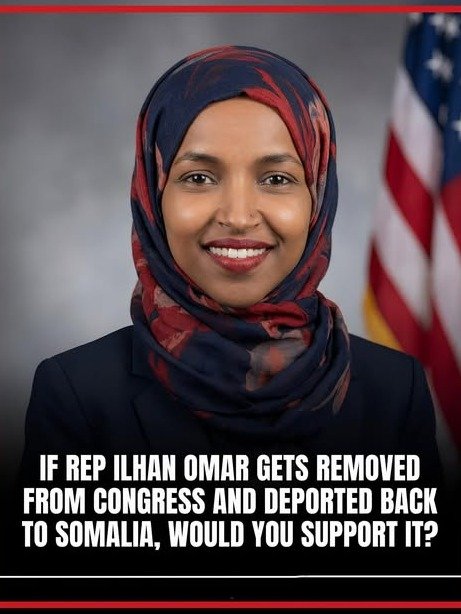
Imagine a single sentence uttered by an elected official igniting a firestorm that reshapes political discourse for years. This isn’t a hypothetical scenario; it’s the reality surrounding Congresswoman Ilhan Omar’s past remarks, which continue to fuel an intense national debate about the very nature of public speech and accountability. The controversy isn’t just about one politician; it’s about the delicate balance between free expression, the responsibilities of leadership, and the profound impact words can have on a polarized nation.
For years, specific statements made by Representative Ilhan Omar have consistently resurfaced, sparking renewed outrage and prompting calls for introspection within both political parties. These remarks, often touching upon sensitive foreign policy issues and international relations, have been interpreted in vastly different ways, leading to ongoing contention. The core of the discussion revolves around whether her words crossed a line from legitimate criticism into harmful rhetoric, and what standard elected officials should be held to.
The Genesis of Controversy: Remarks Under Scrutiny
The debate largely centers on comments Omar made both before and during her tenure in Congress, particularly those perceived by many as critical of Israel or employing tropes associated with antisemitism. While supporters argue these were legitimate criticisms of policy, not people, and that she has clarified her intent, critics contend the language used was irresponsible and fueled prejudice. This divergence in interpretation highlights a fundamental fault line in contemporary political communication.
One of the most frequently cited instances involved a tweet in 2019 suggesting that support for Israel in the U.S. was “all about the Benjamins.” This phrase quickly became a flashpoint, with many condemning it as invoking an antisemitic stereotype. Omar later apologized for the phrasing, stating, “Antisemitism is real and I am grateful for Jewish allies and leaders who are educating me on the painful history of antisemitic tropes.”
Despite her apologies and efforts to clarify her stance, the remarks have continued to be a lightning rod. Each time they are brought up, they reopen wounds and reignite a broader discussion about what constitutes acceptable discourse, especially when discussing complex geopolitical issues. The controversy highlights the lasting power of words and the difficulty of fully retracting or recontextualizing statements once they’ve entered the public sphere.
The Weight of Public Office: Free Speech vs. Responsibility
At the heart of this ongoing debate is the tension between an individual’s right to free speech and the heightened responsibility that comes with holding public office. Elected officials, by virtue of their positions, command immense platforms. Their words carry weight, influence public opinion, and can even impact international relations. This power necessitates a careful consideration of how they communicate, particularly on sensitive national and international issues.
“Public figures, especially those in Congress, have a unique duty to choose their words carefully. Their statements don’t just reflect personal opinions; they can be seen as representing a segment of the American populace and can have real-world consequences, both at home and abroad,” stated one political analyst.
Conversely, defenders of Omar argue that elected officials, like all citizens, have a right to express their views, even if those views are critical or unpopular. They contend that holding politicians to an overly strict standard of speech could stifle legitimate policy debates and criticisms, particularly from marginalized voices or those challenging established norms. The question then becomes: where is the line between robust debate and irresponsible rhetoric?
This isn’t merely a semantic argument. The implications extend to how policy is debated, how alliances are maintained, and how different communities within the U.S. feel represented and respected. When remarks are perceived as offensive or harmful, they can erode trust, deepen divides, and distract from substantive policy discussions.
The Amplifying Effect of the Digital Age
The advent of social media has undeniably transformed how public figures communicate and how their words are received. A single tweet can go viral in minutes, sparking global reactions before any nuanced context can be provided. This rapid dissemination means that controversial remarks are amplified almost instantaneously, making it harder to control the narrative or offer clarifications effectively.
- Instantaneous Spread: Comments are shared globally before full context is understood.
- Echo Chambers: Social media algorithms often push content to like-minded individuals, reinforcing existing biases.
- Reduced Nuance: Character limits and fast-paced consumption often strip away complexity from statements.
- Permanent Record: Digital remarks remain searchable and can be resurfaced years later, regardless of apologies or retractions.
In Omar’s case, many of her contentious remarks originated or gained significant traction on platforms like Twitter. This digital environment, while offering unprecedented access to public figures, also presents unique challenges for thoughtful discourse. It fosters an atmosphere where soundbites often overshadow substance, and outrage can spread like wildfire.
Broader Implications for Political Discourse
The ongoing debate surrounding Ilhan Omar’s past remarks is emblematic of a larger crisis in contemporary political discourse. It highlights a growing struggle to engage in civil discussion across ideological divides, especially when issues involve national identity, foreign policy, and group identity. The inability to agree on the intent or impact of certain statements often leads to gridlock and further polarization.
This isn’t an isolated incident. We’ve seen similar controversies erupt around other politicians from across the political spectrum, demonstrating a systemic challenge. The constant cycle of outrage, defense, and counter-defense consumes valuable political energy and often overshadows pressing legislative work. It creates an environment where every word is scrutinized, sometimes to the detriment of productive engagement.
“The current climate makes it incredibly difficult for public figures to speak authentically without fear of misinterpretation or weaponization of their words. We need to find a way to encourage more thoughtful communication while still holding leaders accountable for their impact,” commented a constitutional law expert.
Moreover, these debates often spill over into real-world consequences. They can affect fundraising, electoral campaigns, and even the safety of the individuals involved, as online rhetoric can sometimes incite offline harassment or threats. The stakes are incredibly high, making careful consideration of language paramount for all public figures.
Navigating the Path Forward: Towards More Responsible Communication
So, how can public figures, and indeed the public, navigate these treacherous waters? There’s no simple answer, but several principles could guide a more constructive approach to political communication:
- Emphasize Intent AND Impact: While intent is important, public figures must also acknowledge the actual impact their words have on diverse communities.
- Cultivate Empathy: Encourage leaders to understand how different groups might perceive their statements, especially those with historical sensitivities.
- Promote Nuance: Resist the urge to simplify complex issues into soundbites, and encourage media to provide full context.
- Foster Dialogue: Create spaces for constructive conversations where missteps can be addressed and understood, rather than immediately condemned without explanation.
- Demand Accountability: Hold public figures accountable for genuinely harmful speech, while also protecting the right to legitimate, even if unpopular, criticism.
The ongoing discussion around Ilhan Omar’s past remarks serves as a powerful reminder of the profound responsibility that comes with a public platform. It forces us to confront fundamental questions about free speech, the nature of political leadership, and the kind of discourse we wish to foster in our democracy. As the debate continues, it’s clear that the way public figures communicate on national issues will remain a critical touchstone for the health and direction of our nation.
Ultimately, the goal should be to foster an environment where robust debate can flourish without devolving into division and animosity. This requires not only careful consideration from those in power but also a commitment from the public to engage critically and empathetically with the words that shape our national conversation.
About the Author




