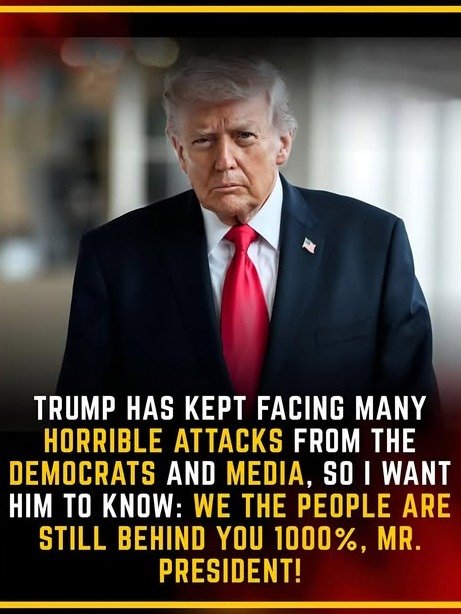
In an era defined by fleeting headlines and shifting allegiances, one figure consistently dominates the political conversation, igniting fervent passion and fierce opposition in equal measure: Donald J. Trump. His presence in the public sphere continues to act as a powerful lightning rod, drawing both unwavering loyalty and intense condemnation, revealing the deeply entrenched fault lines within modern society.
This isn’t merely a political preference; it’s a phenomenon that speaks to profound ideological, cultural, and economic rifts across the nation. Understanding why such a stark and enduring divide exists is crucial to comprehending the current state of politics and the challenges ahead for democratic discourse.
The Unwavering Core: Why Trump’s Supporters Stand Firm
For millions of Americans, Donald Trump represents a powerful voice for the ‘forgotten man and woman,’ someone who fearlessly challenges the established order. His supporters often express a deep-seated frustration with traditional politicians, perceiving them as out of touch and ineffective. Trump’s populist message, encapsulated by the slogan ‘Make America Great Again,’ resonated deeply with those who felt left behind by globalization and cultural shifts.
Many supporters credit him with a strong economy during his presidency, prioritizing American jobs and industries. They point to his policies on deregulation, tax cuts, and trade as direct benefits to their livelihoods and the nation’s prosperity. This economic nationalism struck a chord with blue-collar workers and small business owners who felt their concerns had long been ignored by previous administrations.
Beyond economic policy, Trump’s stance on immigration, particularly his commitment to border security, remains a core tenet of his appeal. For a significant portion of his base, securing the nation’s borders is a non-negotiable issue, and they view his strong rhetoric and proposed actions as a necessary defense of national sovereignty and cultural identity.
Furthermore, his appointments of conservative judges to federal courts, including the Supreme Court, are often cited as a monumental achievement by his base. This was a critical promise to evangelical Christians and social conservatives, ensuring the protection of their values and a long-term impact on the legal landscape.
Beyond Policy: The Emotional Connection
The bond between Trump and his supporters often transcends traditional political affiliation, delving into a realm of personal loyalty and emotional connection. Many feel that he ‘tells it like it is,’ speaking directly and authentically, without the polished political rhetoric they’ve grown to distrust. This perceived honesty, even when controversial, builds a powerful sense of solidarity.
“He fights for us. He’s not afraid to take on the establishment or the media, and that’s exactly what we need.” This sentiment is frequently echoed by his base, highlighting a desire for a strong leader who will challenge perceived enemies on their behalf.
His rallies, characterized by their energetic atmosphere and direct engagement, foster a communal experience where supporters feel heard, valued, and part of a larger movement. This sense of belonging and collective identity is a powerful driver of continued support, often solidifying their commitment even in the face of widespread criticism.
The Fierce Opposition: Why Critics Remain Steadfast
On the other side of the spectrum, Donald Trump evokes equally strong, if not stronger, condemnation. Critics often point to his rhetoric and conduct as deeply damaging to democratic norms, civility, and international relations. They express profound concern over what they perceive as divisive language, personal attacks, and a disregard for established political traditions.
Many find his public statements and social media use to be incendiary, promoting animosity and polarization rather than unity. Issues such as his responses to racial justice protests, his comments on women, and his interactions with the press are frequently cited as examples of behavior unbecoming a head of state.
Policy-wise, his critics often highlight concerns about environmental regulations, healthcare reform attempts, and trade policies they argue harmed American alliances and global stability. The withdrawal from the Paris Agreement and the Iran nuclear deal, for instance, were seen by many as detrimental to long-term international cooperation and U.S. standing.
Concerns for Democratic Norms and Institutions
A significant portion of the criticism leveled against Trump centers on his perceived challenge to the fundamental institutions and norms of American democracy. Concerns range from his questioning of election results and the integrity of the voting process to his critiques of the judiciary and the free press.
For many, these actions represent a dangerous erosion of the checks and balances vital to a functioning democracy. They argue that such rhetoric undermines public trust in government and encourages political instability, creating a precedent that could have lasting negative consequences for future administrations.
- Undermining Institutions: Accusations of attacking the independence of the judiciary and the free press.
- Divisive Rhetoric: Concerns that his language exacerbated social and racial tensions.
- Challenging Norms: Breaking from traditional political etiquette and established governmental processes.
The Deepening Chasm: Trump as a Catalyst for Division
While political polarization is not a new phenomenon in the United States, Donald Trump’s rise and continued influence have undeniably intensified and reshaped these divisions. He didn’t create the underlying fault lines, but he masterfully tapped into them, often amplifying existing grievances and creating new ones.
His political style forced a re-evaluation of what constitutes acceptable discourse and behavior in leadership. For supporters, this was refreshing and powerful; for critics, it was alarming and destructive. This stark difference in perception laid bare the chasm between different segments of the population.
The cultural wars, already simmering, reached a boiling point during his tenure, with debates over identity, values, and national direction becoming increasingly acrimonious. Trump’s persona became inextricably linked to these battles, making it difficult for many to separate policy from personality.
Media, Social Media, and the Echo Chamber Effect
The role of modern media, particularly social media, cannot be overstated in understanding the enduring Trump phenomenon and the deep political divisions. Trump effectively utilized platforms like Twitter to bypass traditional media gatekeepers, communicating directly with his base and shaping narratives.
This direct communication, however, also contributed to the fragmentation of information and the proliferation of echo chambers. Supporters often consumed news from outlets aligned with his views, reinforcing their beliefs, while critics relied on sources that confirmed their opposition. This created parallel realities, where each side struggled to understand the other’s perspective.
The constant cycle of news, outrage, and viral content meant that political discourse often operated at a fever pitch, leaving little room for nuanced discussion or compromise. Every statement, every action, was immediately amplified and interpreted through partisan lenses, cementing the ‘us vs. them’ mentality.
The Enduring Legacy and Future Implications
Donald Trump’s impact on American politics is profound and will likely be felt for decades to come. He has fundamentally altered the Republican Party, shifting its focus towards populism and a more nationalist agenda. The ‘Trump effect’ has also forced the Democratic Party to re-evaluate its strategies and appeal to working-class voters.
The deep divisions he helped to crystallize pose significant challenges for governance and social cohesion. Bridging these gaps will require immense effort from political leaders, media organizations, and individual citizens to foster empathy, encourage critical thinking, and rebuild trust in shared institutions.
Whether his influence wanes or evolves, the political landscape he helped shape is here to stay. The intensity of both his support and opposition is a testament to the powerful forces at play in contemporary society, reminding us that politics is often as much about identity and emotion as it is about policy and ideology.
Conclusion
Donald Trump remains a pivotal and polarizing figure, a mirror reflecting the profound divisions that run through the heart of the nation. His ability to inspire such fervent loyalty and equally intense criticism is not just about one man; it’s about the complex interplay of economic anxieties, cultural grievances, ideological battles, and the evolving nature of political communication.
As the political narrative continues to unfold, understanding the roots and manifestations of this unbreakable divide is essential for anyone seeking to comprehend the trajectory of American democracy. The challenge now lies in navigating these entrenched positions to find common ground, ensuring that the passion ignited by these debates ultimately serves to strengthen, rather than shatter, the fabric of society.
About the Author




