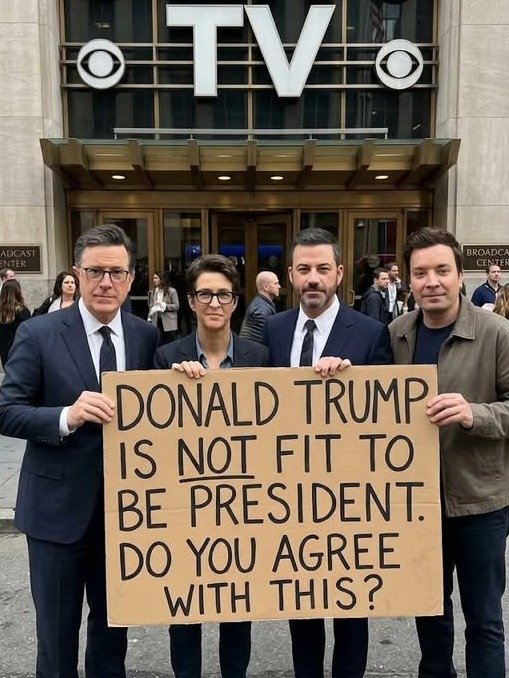
Imagine scrolling through your feed and suddenly, a headline so outrageous, so shocking, that it stops you dead in your tracks. It screams about late-night hosts performing a ‘satanic execution ritual’ on live television, exploding like a ‘radioactive bloodbath’ across the nation. This isn’t just clickbait; it’s a headline designed to ignite immediate outrage, disbelief, and an insatiable urge to know more.
Such a claim, targeting prominent figures like Jimmy Kimmel, Stephen Colbert, Jimmy Fallon, and Rachel Maddow, didn’t just appear out of thin air. It represents a potent cocktail of political animosity, media distrust, and the relentless pursuit of viral engagement in our hyper-connected world. But what lies beneath such an extreme assertion, and why do these kinds of narratives gain such explosive traction?
The Anatomy of a Viral Shockwave
The internet thrives on sensationalism, and few things are more sensational than accusations of dark, clandestine rituals involving public figures. The headline in question masterfully combines several potent ingredients: celebrity, controversy, the occult, and a hint of political malice, all delivered with hyperbolic language designed to bypass critical thought and trigger an emotional response.
When a post claims that well-known personalities ‘just performed a midnight satanic execution ritual that exploded like a radioactive bloodbath across America on live TV,’ it’s not merely reporting news; it’s crafting a narrative. This narrative taps into deep-seated anxieties and existing divisions, particularly for audiences already skeptical of mainstream media and specific political viewpoints.
Who Are the Targets? More Than Just Late-Night Fun
Jimmy Kimmel, Stephen Colbert, and Jimmy Fallon are household names in late-night comedy, known for their humor, celebrity interviews, and, increasingly, their political commentary. Rachel Maddow, on the other hand, is a prominent news anchor and political commentator, recognized for her in-depth analysis and often critical stance on specific political administrations.
These individuals, by virtue of their platforms and outspoken opinions, often find themselves at the epicenter of cultural and political debates. Their shows reach millions, making them powerful voices and, subsequently, prime targets for both adoration and intense criticism, especially from those who disagree with their perspectives.
“In today’s polarized media landscape, public figures are rarely just entertainers or journalists. They become symbols, embodying ideologies and drawing both fierce loyalty and vehement opposition,” notes one media analyst. “Accusations, no matter how outlandish, can stick when they align with pre-existing beliefs about these figures.”
Unpacking the ‘Satanic Ritual’ Allegation
The core of the viral headline – the ‘midnight satanic execution ritual’ – is incredibly potent and deeply disturbing. This specific phrase isn’t random; it’s a loaded term often associated with various conspiracy theories that posit secret, malevolent cabals operating behind the scenes of power. Such theories frequently involve themes of child sacrifice, occult practices, and a hidden elite controlling global events.
The inclusion of ‘execution ritual’ further heightens the drama and horror, suggesting a dark, violent act. This kind of language is designed to provoke fear and moral outrage, painting the accused in the darkest possible light and implying a profound betrayal of public trust. It weaponizes ancient fears and modern paranoia for maximum impact.
‘Radioactive Bloodbath’: The Language of Hyperbole
Beyond the ‘satanic ritual,’ the headline describes its impact as a ‘radioactive bloodbath across America on live TV!!!’ This is hyperbole taken to an extreme, painting a picture of catastrophic, widespread destruction and moral decay. ‘Radioactive’ evokes images of invisible, pervasive danger, while ‘bloodbath’ is a visceral, violent term.
Such language isn’t meant to be taken literally as a physical event, but rather as a metaphorical description of moral and societal collapse, allegedly orchestrated by these figures. It suggests that their actions, whatever they might be, have a profound, damaging effect on the very fabric of the nation, further fueling the sense of urgency and alarm in the reader.
The ‘Trump’s He…’ Connection: A Political Undercurrent
Though truncated in the original post, the phrase ‘Trump’s He…’ strongly suggests a political dimension to the accusation. Given the political leanings often associated with Kimmel, Colbert, Fallon, and Maddow – generally perceived as critical of Donald Trump and his administration – it’s highly probable this part of the headline aimed to connect their alleged actions to a perceived opposition to Trump.
This links the outlandish ‘satanic ritual’ claim directly to the ongoing political culture wars. For those who view these media figures as ‘enemies’ or ‘propagandists’ against a particular political leader or ideology, such a headline provides ‘evidence’ (however fabricated) to confirm their existing biases and fuel their anger.
Why Do These Claims Go Viral? The Psychology of Belief
- Confirmation Bias: People are more likely to believe information that confirms their existing beliefs or prejudices. If someone already distrusts mainstream media or specific political figures, an extreme accusation against them fits neatly into their worldview.
- Emotional Arousal: Content that evokes strong emotions (fear, anger, outrage, shock) is more likely to be shared. The brain is hardwired to pay attention to threats, and a ‘satanic ritual’ certainly qualifies.
- Sense of Discovery: Believing you’ve uncovered a ‘hidden truth’ that others are unaware of can be empowering. Sharing such information can make individuals feel like they are part of an exclusive group ‘in the know.’
- Echo Chambers: Social media algorithms often create ‘echo chambers’ where users are primarily exposed to content that reinforces their existing views, making extreme claims seem more credible within those communities.
The virality of such headlines isn’t just about the content itself, but how it interacts with human psychology and the architecture of online platforms. It’s a testament to the power of narratives, even those completely divorced from reality, to shape perception and influence public discourse.
The Broader Impact: Erosion of Trust and Escalation of Rhetoric
While a rational mind might immediately dismiss claims of ‘satanic rituals’ on live TV, the constant barrage of such extreme rhetoric has a cumulative effect. It contributes to a pervasive atmosphere of distrust in established institutions, including the media, and normalizes the use of outrageously false accusations in political and cultural debates.
When public discourse descends into accusations of ‘radioactive bloodbaths’ and ‘satanic rituals,’ it becomes incredibly difficult to have constructive conversations about genuine issues. The space for nuance, fact-checking, and critical thinking shrinks, replaced by a battleground of sensationalism and emotional manipulation.
Navigating the Information Landscape: A Call for Critical Thinking
In an era where a single headline can trigger a nationwide ‘bloodbath’ of outrage and misinformation, the responsibility of the audience becomes paramount. It’s crucial to:
- Question the Source: Who published this? What is their agenda? Do they have a history of sensationalism or spreading misinformation?
- Check for Evidence: Are there credible, verifiable facts to back up these extraordinary claims? Is there any actual footage or testimony beyond the headline itself?
- Consider the Language: Is the language designed to provoke emotion rather than inform? Hyperbolic terms like ‘radioactive bloodbath’ are red flags.
- Seek Multiple Perspectives: Don’t rely on a single source. Consult a variety of reputable news outlets and fact-checking organizations.
The viral headline about Kimmel, Colbert, Fallon, and Maddow serves as a stark reminder of the challenges inherent in our modern information ecosystem. It highlights how easily extreme claims can spread, how quickly they can ignite passions, and the profound impact they can have on public perception and the fabric of civil discourse.
Ultimately, while the idea of a ‘satanic ritual’ on live TV is patently absurd, the reaction and spread of such a headline are very real. They reflect a deeper struggle for truth, trust, and sanity in a world awash with information, both factual and fantastically false. The real ‘bloodbath’ is not on live TV, but in the erosion of our collective ability to discern reality from the most outrageous fiction.
About the Author




