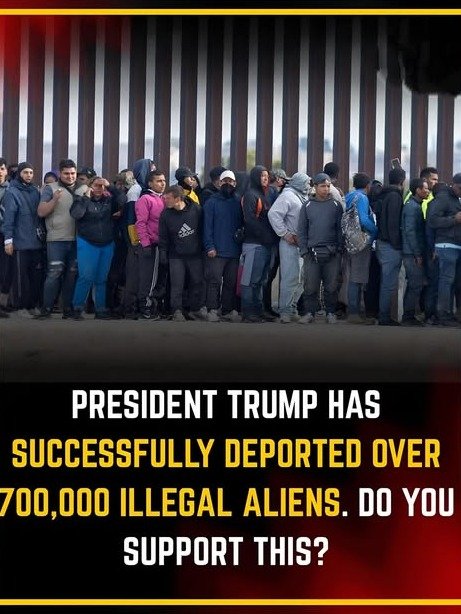
Imagine a house without a locked door, or a city without police. Would you feel safe? This isn’t just a hypothetical; it’s the stark reality facing nations worldwide, including our own, when border integrity is compromised. The debate around border enforcement is often politicized, yet at its core lies a fundamental truth: strong, secure borders are the bedrock of any sovereign nation, essential for peace, prosperity, and the rule of law.
For too long, conversations about border security have been bogged down by rhetoric, overshadowing the critical importance of effective enforcement. It’s time to cut through the noise and understand why upholding our laws at the border isn’t just a political stance, but a non-negotiable requirement for national well-being and stability. Our borders are not merely lines on a map; they are the definitive boundaries of our sovereignty, our economy, and our collective safety.
The Unseen Threats: Why Border Security is National Security
The most immediate and often overlooked reason for robust border enforcement is national security. In an increasingly complex global landscape, porous borders can become conduits for threats far more sinister than economic migrants. They can be exploited by terrorist organizations, international criminal syndicates, and hostile state actors seeking to destabilize our society from within.
Consider the potential for illicit weapons, dangerous chemicals, or even biological agents to cross undetected. The consequences of such breaches could be catastrophic, impacting millions of lives and undermining the very fabric of our national defense. Strong border controls act as the first line of defense, intercepting these threats before they can ever reach our communities and endanger our citizens.
Beyond terrorism, the flow of illegal drugs represents another critical national security challenge directly linked to border security. Cartels and drug traffickers exploit weak borders to flood our streets with deadly substances like fentanyl, devastating families and fueling an opioid crisis that claims countless lives annually. Effective enforcement disrupts these supply chains, saving lives and protecting public health.
The Economic Ripple Effect: More Than Just Numbers
The economic implications of unchecked borders are profound and far-reaching. While immigration can undoubtedly contribute to economic growth, uncontrolled influxes can strain public services, depress wages for low-skilled workers, and place immense pressure on healthcare, education, and social welfare systems. These are not abstract concerns; they are tangible burdens felt by taxpayers and communities across the nation.
Moreover, a lack of strong border enforcement undermines the integrity of our legal immigration system. Millions of individuals patiently follow established procedures, apply for visas, and wait their turn to enter the country lawfully. When others bypass these processes, it creates a perception of unfairness and disrespect for the rule of law, eroding public trust in the system itself.
Economists frequently debate the impact on labor markets. While some argue for the benefits of an expanded labor pool, others point to the downward pressure on wages for certain sectors, particularly those relying on manual labor. This can exacerbate economic inequality and create challenges for native-born citizens and legal residents seeking employment.
Upholding the Rule of Law: The Foundation of a Free Society
At its heart, the call for strong border enforcement is a demand to uphold the rule of law. Laws are not arbitrary suggestions; they are the framework upon which a civilized society is built. When laws regarding entry into a sovereign nation are not consistently enforced, it sends a dangerous message that other laws can also be disregarded with impunity.
A nation’s sovereignty is defined by its ability to control its borders, determine who enters and under what conditions. To relinquish this control is to compromise the very essence of national independence and self-governance. It means allowing external factors to dictate internal policy, a scenario no truly sovereign nation can afford.
Leadership, in its truest form, means ensuring that these laws are not just on the books, but are actively and consistently applied. This requires clear policies, adequate resources, and unwavering political will. Anything less is a dereliction of duty to the citizens who rely on their government for protection and order.
“The rule of law is not merely a collection of laws, but a commitment to the principle that all individuals and institutions are accountable to laws that are publicly promulgated, equally enforced, and independently adjudicated.”
The Humanitarian Aspect: Order Through Enforcement
Ironically, weak border enforcement can often lead to a more profound humanitarian crisis. The perilous journeys undertaken by individuals attempting to cross illegally are fraught with danger, exploitation, and often tragedy. Human traffickers and criminal organizations prey on vulnerabilities, leading to untold suffering, abuse, and even death in harsh environments.
By establishing clear, orderly, and enforced pathways for legal immigration, and by deterring illegal crossings, we can significantly reduce the power of these criminal networks. Strong borders, paradoxically, can save lives by discouraging dangerous, unregulated crossings and forcing individuals to seek legal, safer avenues. It’s about managing migration humanely and responsibly, not simply blocking it.
Ensuring that individuals are processed through legal channels also upholds their dignity and rights, providing them with protections that are often absent in illicit crossings. This approach allows governments to offer support and resources where needed, rather than dealing with chaotic, unpredictable, and often dangerous situations at the border.
Strategic Enforcement: Beyond Walls and Fences
Effective border enforcement is not solely about physical barriers, although they can play a crucial role. It encompasses a multifaceted strategy involving advanced technology, increased personnel, intelligence sharing, and international cooperation. This includes drones, surveillance systems, biometric identification, and robust data analysis to identify and interdict threats.
Technological advancements offer unprecedented opportunities to enhance border security without necessarily relying solely on physical infrastructure. Thermal imaging, ground sensors, and artificial intelligence can provide real-time intelligence, allowing border patrol agents to deploy resources more effectively and respond rapidly to incursions.
Furthermore, true border security extends beyond our immediate physical boundaries. It requires robust international partnerships and intelligence sharing with neighboring countries and global allies to address the root causes of irregular migration and dismantle transnational criminal organizations before they reach our borders. This proactive approach is vital for long-term stability.
The Call to Action: Supporting Policies That Work
The question then becomes: do we, as citizens, support policies that genuinely secure our borders and uphold the law? This isn’t a partisan issue; it’s a fundamental question about the kind of nation we want to be. A nation that respects its laws, protects its citizens, and maintains its sovereignty. Supporting these policies means:
- Investing in advanced technology for surveillance and detection.
- Ensuring adequate staffing and training for border patrol agents.
- Streamlining legal immigration processes while deterring illegal entry.
- Strengthening international cooperation to address root causes and criminal networks.
Supporting strong border enforcement means advocating for adequate funding for border agencies, investing in modern technology and infrastructure, and ensuring that our laws are applied fairly and consistently. It means demanding accountability from our leaders to prioritize national security and the rule of law over political expediency.
Ultimately, a secure border is not a sign of isolation, but a foundation for engagement, stability, and controlled interaction with the world. It allows a nation to welcome those who wish to contribute legally, while protecting its citizens from threats and maintaining the integrity of its institutions. The time to act decisively and intelligently on border security is now, before the unseen crisis becomes an undeniable catastrophe.
About the Author




