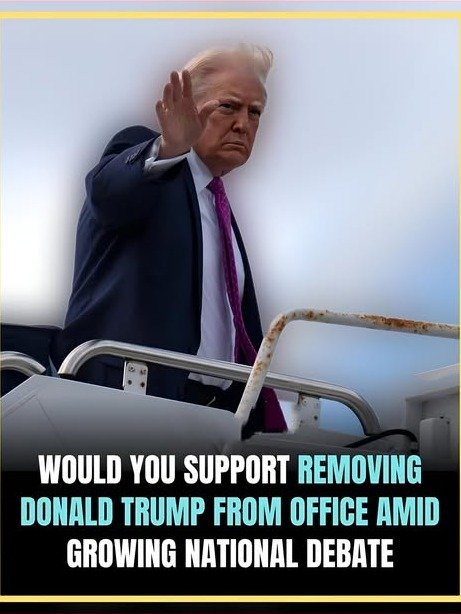
Few figures in modern American history have commanded as much fervent loyalty and equally intense opposition as Donald J. Trump. His name alone is enough to ignite passionate debates, whether at family dinner tables or across the vast digital landscape.
For years, the national conversation has been dominated by discussions surrounding his unique brand of leadership, a style that shattered political norms and continues to resonate deeply with millions, while simultaneously provoking profound alarm in others. But what exactly fuels this unshakeable divide?
The Enduring Appeal: Why Supporters Stand Firm
For a significant portion of the American electorate, Donald Trump’s presidency represented a seismic shift, a bold departure from what they perceived as a stagnant political establishment. His supporters often emphasize that his election was a clear manifestation of voter choice, a democratic mandate to disrupt the status quo.
They felt unheard by traditional politicians, seeing in Trump a champion who spoke directly to their frustrations and promised to prioritize American interests above all else. This sentiment of being represented, often for the first time, forms a powerful bedrock of their loyalty.
The Mandate of the People
Many who rallied behind Trump saw his victory not just as a political win, but as a direct challenge to what they viewed as an out-of-touch elite. They believed he was the only candidate willing to tackle issues like illegal immigration, unfair trade deals, and the perceived decline of American manufacturing.
“He listened to us when no one else would. He wasn’t afraid to say what needed to be said, even if it wasn’t politically correct. That’s why we voted for him, and that’s why we still support him.” – A common sentiment among his base.
His supporters frequently highlight his commitment to campaign promises, pointing to actions such as appointing conservative judges, initiating tax cuts, and renegotiating international trade agreements as proof of his effectiveness and dedication to his base.
Economic Promises Delivered
A core pillar of Trump’s support often stems from his economic policies. Many point to the pre-pandemic economic boom, characterized by low unemployment rates and a rising stock market, as tangible evidence of his success. They credit his deregulation efforts and tax reforms with stimulating job growth and fostering a business-friendly environment.
For those in industries struggling with global competition, his “America First” approach to trade, including tariffs on imported goods, was seen as a necessary measure to protect American jobs and industries. This focus on domestic prosperity resonated deeply with working-class voters, who often highlighted specific achievements:
- Tax Cuts and Jobs Act of 2017: Significantly reduced corporate and individual income taxes, aimed at stimulating economic activity.
- Deregulation: Rolled back numerous environmental and business regulations, which supporters argued fostered growth.
- Trade Policy: Renegotiated NAFTA (into USMCA) and imposed tariffs on goods from China and other countries, aiming to protect American industries.
- Job Growth: Presided over a period of sustained job creation and historically low unemployment rates, particularly for minority groups, prior to the COVID-19 pandemic.
Shaking Up the Establishment
Another powerful draw for Trump’s base was his image as an outsider, a non-politician who was unafraid to challenge established norms and institutions. His willingness to confront mainstream media, criticize international bodies, and openly challenge political correctness was seen as refreshing and authentic.
Supporters often admired his direct communication style, viewing it as genuine and unvarnished, a stark contrast to the carefully crafted rhetoric of traditional politicians. This perception of authenticity fostered a strong, almost personal, connection with his followers.
The Deep-Seated Opposition: Why Critics Remain Concerned
On the other side of the spectrum, a significant portion of the population views Donald Trump’s leadership with profound concern, often citing his rhetoric, policies, and impact on democratic institutions. Their criticisms are just as fervent and deeply rooted as the loyalty of his supporters, painting a picture of a leader who, in their view, threatened the very fabric of American society.
This opposition isn’t merely about policy disagreements; it often extends to fundamental concerns about the character of the presidency and the direction of the nation. Critics frequently articulate a sense of alarm regarding his approach to governance and public discourse.
Rhetoric and Divisiveness
One of the most frequent criticisms leveled against Trump is his rhetoric, which opponents often describe as divisive, inflammatory, and harmful to social cohesion. They point to his frequent use of strong language, his attacks on political opponents, and his perceived tendency to pit groups against each other.
Many argue that his communication style normalized hateful speech and contributed to a more polarized political landscape. The constant stream of controversial statements, particularly on social media, was seen by critics as unbecoming of a head of state and detrimental to national unity.
Challenges to Democratic Norms
Critics also express serious concerns about Trump’s perceived disregard for democratic norms and institutions. This includes his challenges to election results, his criticism of the judiciary and intelligence agencies, and his approach to the press, which he often labeled as “fake news” and “enemies of the people.”
These actions, according to his detractors, undermined the public’s trust in fundamental pillars of democracy and set a dangerous precedent for future leaders. The perceived erosion of established checks and balances was a significant source of anxiety.
Global Standing and Alliances
Internationally, Trump’s “America First” foreign policy also drew considerable criticism. Opponents argued that his withdrawal from international agreements, his strained relationships with traditional allies, and his transactional approach to diplomacy weakened America’s standing on the global stage.
They feared that his actions alienated key partners and emboldened rival nations, making the world a more unstable place. The perceived damage to alliances like NATO and the withdrawal from the Paris Climate Accord were particularly contentious points.
The Unprecedented Style: A Leadership Like No Other
Regardless of one’s political leanings, it’s undeniable that Donald Trump introduced a truly unique and unprecedented leadership style to the White House. He shattered long-held conventions, both in how he communicated with the public and how he conducted the business of government, leaving an indelible mark on the American political landscape.
His approach was often characterized by a rejection of traditional political decorum, a preference for direct confrontation, and an unwavering belief in his own instincts. This distinct methodology became a defining feature of his presidency and continues to be a subject of intense analysis.
Direct Communication and Social Media
Perhaps no aspect of Trump’s leadership was more defining than his mastery and constant use of social media, particularly Twitter. He bypassed traditional media gatekeepers, communicating directly with his millions of followers, often with immediate and unfiltered messages.
This direct channel allowed him to control his narrative, respond to critics in real-time, and mobilize his base with unprecedented efficiency. For supporters, it was a refreshing change; for critics, it was a source of constant controversy and concern over the implications of a president communicating policy and opinions in 280 characters.
Confrontational Politics
Trump’s leadership was inherently confrontational. He thrived in adversarial situations, often framing political debates as battles against entrenched interests, “fake news,” or globalist agendas. This combative stance energized his base, who saw him as a fighter willing to take on powerful forces.
However, this confrontational approach also alienated many, making bipartisan cooperation incredibly challenging and contributing to the deep partisan divide that characterizes modern American politics. His willingness to attack perceived enemies, both domestic and foreign, became a hallmark of his public persona.
The Cult of Personality
More than perhaps any modern president, Donald Trump cultivated a powerful cult of personality. His supporters often expressed a deep personal loyalty to him, viewing him not just as a politician but as a movement leader, a symbol of resistance against forces they opposed.
Rallies were central to this, serving as vibrant expressions of support and opportunities for direct engagement between the leader and his base. This strong personal connection transcended traditional party affiliation for many, making his appeal unique and incredibly resilient.
The Lasting Impact: What Does It All Mean?
The reverberations of Donald Trump’s leadership continue to shape American politics and society long after his term in office. His presidency wasn’t merely a chapter in history; it was a transformative period that fundamentally altered the political discourse, reshaped party dynamics, and left an enduring imprint on the national psyche.
Understanding this lasting impact is crucial to comprehending the current state of the nation and anticipating future political trends. His influence extends far beyond policy decisions, touching upon cultural norms, media consumption, and the very nature of political engagement.
Reshaping the Republican Party
One of Trump’s most significant legacies is his profound reshaping of the Republican Party. He effectively remade the party in his image, shifting its focus from traditional conservative principles to a more populist, nationalist platform. Loyalty to Trump himself often became a litmus test for Republican politicians.
This transformation has led to ongoing internal debates within the GOP about its future direction and identity, as well as influencing candidate selection and policy priorities at every level of government. The “Trump wing” of the party remains a dominant force.
A Polarized Electorate
While political polarization existed before Trump, many argue that his presidency exacerbated these divisions to an unprecedented degree. The intensity of both support and opposition created deeper chasms between ideological groups, making consensus and compromise increasingly difficult.
The national conversation became more fragmented, with individuals often retreating into echo chambers, further solidifying their existing beliefs and making cross-ideological dialogue a rare commodity. This polarization continues to be a defining characteristic of American public life.
Looking Ahead
As the nation moves forward, the “Trump Effect” will undoubtedly continue to be a central theme in political analysis. Questions about his potential future roles, the durability of his movement, and the long-term consequences of his actions will remain at the forefront of public discourse.
His leadership has forced America to confront fundamental questions about its identity, its democratic institutions, and the very nature of political power. The debate over his legacy is far from over, and its outcome will shape the trajectory of the country for years to come.
Conclusion: The Enduring Debate
In conclusion, the national conversation surrounding Donald Trump’s leadership is not just about policy or personality; it’s a reflection of deeper societal currents, hopes, fears, and fundamental disagreements about America’s past, present, and future. His presidency served as a powerful mirror, reflecting both the aspirations and anxieties of a deeply divided nation.
Whether viewed as a savior or a threat, an innovator or an iconoclast, Trump’s impact is undeniable and his leadership continues to be a central, often contentious, force in the ongoing narrative of American democracy. The strong opinions emerging across the country are not merely surface-level disagreements, but deeply held convictions that speak to the heart of what it means to be American in the 21st century.
About the Author




