Imagine a single, narrow waterway, just 21 miles wide at its tightest point, through which nearly one-third of the world’s seaborne oil passes every single day. Now, picture that vital artery suddenly threatened, prompting a U.S. President to issue a stark, unprecedented warning that sent shockwaves across the globe. This isn’t a scene from a geopolitical thriller; it’s precisely what unfolded when President Trump delivered a powerful message to the Iranian regime regarding the Strait of Hormuz.
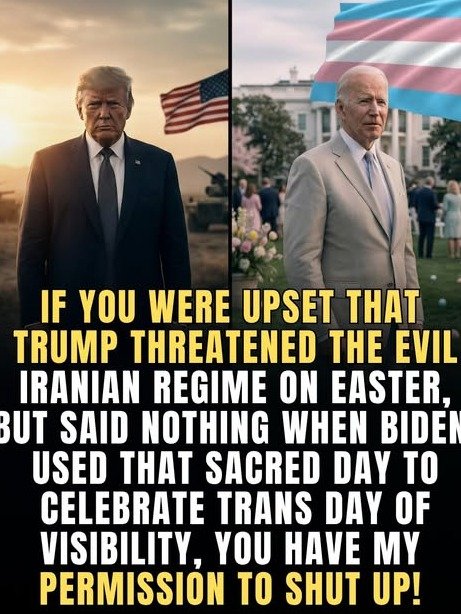
Around Easter, a period often associated with renewal and peace, the world instead witnessed a dramatic escalation of tensions in one of its most critical maritime choke points. President Trump’s strong warning to the Islamic Republic of Iran, threatening decisive action against any further harassment of U.S. vessels, ignited a firestorm of debate. Was it a necessary show of force to protect global interests, or a dangerous gamble that risked plunging the region into conflict? The answers are far more complex than simple headlines suggest.
The World’s Most Critical Choke Point: The Strait of Hormuz
To truly grasp the gravity of President Trump’s warning, one must first understand the unparalleled strategic importance of the Strait of Hormuz. This narrow stretch of water, connecting the Persian Gulf to the Arabian Sea and then to the broader Indian Ocean, is not merely a shipping lane; it is the beating heart of the global oil economy. For decades, it has served as the transit point for a colossal volume of crude oil and liquefied natural gas (LNG) destined for markets across Asia, Europe, and the Americas.
Consider this: approximately 21 million barrels of oil, or roughly 30% of all seaborne traded oil, traverse the Strait daily. This staggering figure underscores why any disruption, however minor, sends immediate tremors through international energy markets. The sheer volume of traffic, combined with its geographical constraints, makes it inherently vulnerable to any nation with the intent and capability to disrupt it. Iran, with its extensive coastline along the Strait and its naval forces, has long held this potential leverage.
Iran’s History of Provocation and Regional Ambition
The tensions that boiled over into President Trump’s warning were not isolated incidents but rather the latest chapter in a long and often contentious relationship between the United States and Iran. For years, the Iranian regime, particularly through its Islamic Revolutionary Guard Corps (IRGC) Navy, has engaged in various acts of maritime harassment and aggression in the Persian Gulf and the Strait of Hormuz. These actions have ranged from seizing commercial vessels to directly confronting foreign naval ships.
Iran’s motivations are multifaceted. They stem from a desire to assert regional dominance, project power, and push back against perceived foreign interference. The regime often views the presence of U.S. and allied naval forces in the Gulf as an infringement on its sovereignty. Furthermore, the Strait serves as a potent bargaining chip, a way for Iran to signal its displeasure with international sanctions or perceived slights, knowing full well the global economic consequences of any major disruption.
Trump’s ‘Maximum Pressure’ Campaign: A New Era of Deterrence
President Trump’s approach to Iran was famously characterized by his administration’s
About the Author




