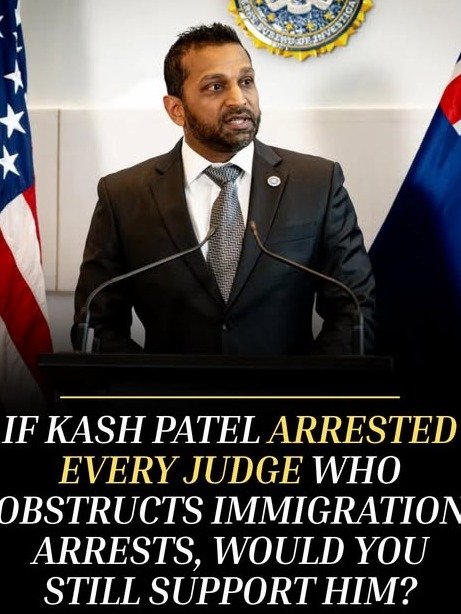
Imagine being tasked with upholding the law, only to find your hands tied by the very legal system you’re meant to serve. This isn’t a hypothetical scenario for many immigration enforcement officials across the nation. They’re caught in a complex web where their duty to enforce immigration laws often collides head-on with an intricate maze of court decisions and legal challenges.
As immigration enforcement continues to dominate national discourse, a palpable sense of frustration is mounting among those on the front lines. These officials, from border patrol agents to ICE officers, often express feeling undermined by judicial rulings and legislative gridlock that they believe actively impede their ability to secure the border and enforce immigration statutes.
The Unseen Battleground: Law vs. Enforcement
At the heart of this growing tension lies a fundamental clash between the executive branch’s mandate to enforce laws and the judiciary’s role in interpreting them, alongside the legislative branch’s power to create them. While the separation of powers is a cornerstone of democracy, in the realm of immigration, it often feels like a constant tug-of-war.
Officials argue that their operational strategies, designed to maintain national security and uphold sovereignty, are frequently halted or drastically altered by court injunctions. These legal roadblocks, they contend, create a perception of impunity, making their difficult job even more challenging and, at times, seemingly futile.
Navigating the Labyrinth of Judicial Rulings
One of the most significant sources of frustration stems from federal court decisions that directly impact large-scale immigration policies. These legal interventions often manifest as:
- Temporary Restraining Orders: Immediately halt a policy for a short period.
- Preliminary Injunctions: Block a policy during the course of a lawsuit, often for extended durations.
- Permanent Injunctions: Permanently block a policy after a full legal review.
Programs like the Deferred Action for Childhood Arrivals (DACA), for instance, have been subject to a seesaw of legal challenges and injunctions, leaving enforcement agencies in a state of perpetual uncertainty regarding their implementation.
Similarly, policies aimed at expediting removals or altering asylum processes often face immediate legal challenges from advocacy groups. Courts frequently issue temporary restraining orders or preliminary injunctions, effectively pausing enforcement actions and requiring agencies to revert to previous, often more cumbersome, procedures.
These legal interventions mean that an enforcement strategy carefully developed over months can be overturned overnight. For officers on the ground, this translates into constantly shifting directives, retraining, and a feeling that their efforts are consistently being second-guessed or invalidated by forces outside their control.
The “Sanctuary” Standoff: Local vs. Federal Authority
Beyond federal courtrooms, another major point of contention arises from the proliferation of “sanctuary” policies adopted by various states, counties, and cities. These policies often limit local law enforcement’s cooperation with federal immigration authorities, such as U.S. Immigration and Customs Enforcement (ICE).
In many sanctuary jurisdictions, local police are prohibited from honoring ICE detainer requests, which ask for individuals suspected of immigration violations to be held for federal custody. This means that individuals arrested for other crimes, who might also be subject to deportation, are often released back into the community before ICE can intervene.
Officials argue that such policies create dangerous loopholes, allowing individuals who may pose a threat to public safety to avoid federal immigration scrutiny. They emphasize that these local decisions directly impede their ability to apprehend and deport non-citizens who have committed crimes, creating a patchwork of enforcement that varies wildly from one jurisdiction to another.
The Due Process Dilemma and Humanitarian Concerns
It’s crucial to acknowledge that these legal challenges often arise from legitimate concerns about due process, human rights, and the rule of law. Advocacy groups and courts frequently step in to ensure that individuals, regardless of their immigration status, are afforded proper legal protections as enshrined in the Constitution and international agreements.
The legal system aims to prevent arbitrary detention, ensure access to legal counsel, and provide avenues for individuals to seek asylum or other forms of relief. From this perspective, the ‘obstructions’ are not roadblocks but essential safeguards against potential overreach by enforcement agencies and to protect vulnerable populations.
However, this fundamental difference in perspective fuels the frustration among enforcement officials. They often view these ‘safeguards’ as mechanisms exploited by individuals to avoid deportation, or as overly broad interpretations that tie their hands when dealing with what they perceive as clear violations of immigration law.
Resource Strain and Morale on the Front Lines
The constant legal battles and policy shifts also exact a heavy toll on the resources and morale of immigration enforcement agencies. Each injunction, each new court case, requires significant legal and administrative resources to address, diverting funds and personnel from direct enforcement activities.
Officers on the ground report feelings of demoralization and confusion. They are trained to enforce specific laws, but when those laws are consistently challenged or enforcement actions are blocked, it can lead to a sense of futility.
‘It feels like we’re constantly fighting with one hand tied behind our back,’ one anonymous agent shared, ‘The public expects us to do our job, but the courts keep changing the rules.’
This environment can also lead to a perception among the public that immigration laws are not consistently enforced, further complicating the national debate and eroding trust in the system. The lack of clear, consistent policy makes it difficult for both enforcement and the public to understand the current legal landscape.
The Political Quagmire and Future Outlook
Ultimately, many of these issues stem from a deeply polarized political environment and a lack of comprehensive legislative reform. Congress has largely failed to pass significant immigration legislation in decades, leaving the executive and judicial branches to grapple with outdated laws and complex societal challenges.
Without clear, updated directives from the legislative branch, the courts become the primary arena for defining the boundaries of immigration policy. This judicial activism, while necessary in the absence of legislative action, often clashes with the operational realities and perceived needs of enforcement agencies.
The ongoing tension between law and obstruction in immigration enforcement is unlikely to abate soon. It represents a microcosm of broader societal debates about national sovereignty, human rights, and the role of government. For now, the frustration among officials remains a powerful, if often unspoken, element in this critical national issue.
As the debate continues, understanding the complex interplay between legal challenges, judicial decisions, and the daily realities faced by immigration enforcement officials is paramount. It’s a delicate balance, and the future of immigration policy hinges on finding a way to reconcile these powerful, often conflicting, forces.
About the Author




