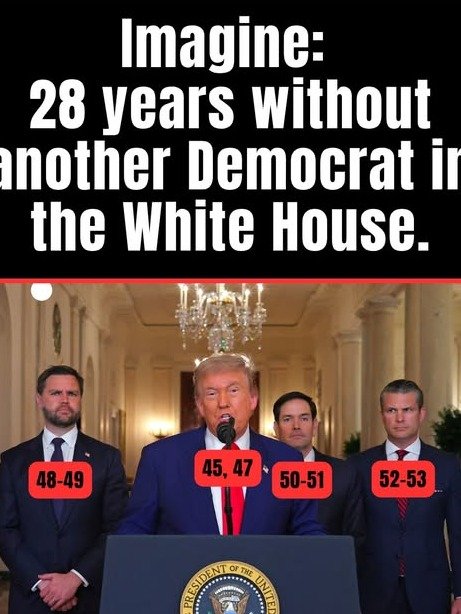
Forget the endless campaign ads and the fleeting promises of the next election cycle for a moment. A profound, yet often overlooked, shift is happening in the minds of voters across the nation. People are no longer content with simply choosing between immediate political victories or short-term gains; they are increasingly looking beyond the next four years, focusing intently on the long-term direction of the country.
This isn’t just about a single policy or a specific candidate. It’s about a growing realization that the decisions made today will echo for decades, shaping the very fabric of society for future generations. With back-to-back election cycles dominating the news, a new kind of voter is emerging – one who demands a sustainable vision, not just a temporary fix.
Beyond the Next Ballot: The Urgency of Long-Term Vision
For too long, political discourse has been trapped in a reactive loop, often prioritizing immediate electoral success over enduring national progress. This short-sighted approach can lead to policy whiplash, where crucial initiatives are abandoned or reversed with every change in administration, creating instability and hindering genuine advancement.
Voters are now witnessing the cumulative effects of these stop-and-go policies. From infrastructure crumbling to persistent social inequalities, the consequences of neglecting long-term planning are becoming undeniable. This growing awareness is fueling a demand for leaders who can articulate and commit to a cohesive, forward-thinking strategy for the nation.
What Does ‘Long-Term Direction’ Truly Mean?
When voters speak of a ‘long-term direction,’ they are envisioning a future where fundamental challenges are addressed with sustained effort and bipartisan commitment. This isn’t about ignoring present needs, but rather integrating them into a broader strategy that anticipates future challenges and opportunities.
It encompasses a wide array of critical areas, each requiring careful consideration and consistent action over many years. This holistic perspective is what truly defines a stable and prosperous national trajectory.
Economic Stability and Growth
True economic health isn’t measured by quarterly reports alone. Voters are seeking policies that foster sustainable job creation, innovation, and equitable wealth distribution for decades to come. This includes investing in future industries, ensuring a skilled workforce, and managing national debt responsibly to prevent burdens on future generations.
A focus on long-term economic direction also means developing resilient supply chains and fostering a competitive global standing. It’s about creating an environment where businesses can thrive and individuals can build lasting financial security, rather than navigating boom-and-bust cycles.
Environmental Sustainability and Climate Action
Perhaps no other area highlights the urgency of long-term thinking more than environmental policy. The impacts of climate change, resource depletion, and pollution are not short-term problems; they are generational challenges that demand consistent, proactive solutions. Voters want to see a clear plan for transitioning to renewable energy, protecting natural resources, and mitigating environmental risks.
This involves more than just setting targets; it means investing in research, developing new technologies, and implementing policies that protect our planet for those who come after us. The legacy we leave in terms of environmental health is a profound concern for many.
Educational Excellence and Innovation
The future of any nation rests on the quality of its education system. Voters are looking for long-term strategies that ensure every child has access to quality education, from early childhood to higher learning and vocational training. This includes adapting curricula to future job markets, fostering critical thinking, and supporting educators.
Investing in education is an investment in human capital, which pays dividends over many decades. It’s about preparing citizens not just for the next job, but for a lifetime of learning and contribution in an ever-evolving world.
Robust Infrastructure and Technological Advancement
Modern infrastructure is the backbone of a thriving economy and society. Voters are tired of temporary fixes and are demanding comprehensive plans for upgrading roads, bridges, public transit, and digital networks. These are not merely conveniences; they are essential for economic competitiveness, public safety, and quality of life.
Furthermore, staying at the forefront of technological advancement requires consistent investment in research and development, fostering innovation, and ensuring that technological progress benefits all segments of society, not just a select few.
The Generational Imperative: A Call from All Ages
This shift towards long-term thinking isn’t confined to a single demographic. While younger voters are acutely aware of the future they will inherit, many older voters are also reflecting on the legacy they wish to leave behind. There’s a shared understanding that the stakes are higher than ever, transcending partisan divides.
“We can’t afford to keep kicking the can down the road. Our children and grandchildren deserve a country that is stronger, more resilient, and more just than the one we have today.”
This collective sentiment highlights a growing impatience with political gridlock and a desire for genuine statesmanship. Voters are seeking leaders who can unite disparate groups around common goals that serve the national interest for decades, not just through the next news cycle.
The Role of Leadership: Statesmanship Over Partisanship
For a nation to embrace a long-term direction, it requires a particular kind of leadership. This means leaders who are willing to:
- Prioritize national interest over party loyalty or personal ambition.
- Engage in genuine collaboration and compromise across the political spectrum.
- Communicate a clear vision that inspires hope and unity.
- Make difficult decisions today for the benefit of tomorrow, even if unpopular in the short term.
Such leadership fosters a culture of stability and predictability, which is crucial for both domestic progress and international standing. It allows for the consistent execution of complex strategies that yield results over time, rather than being subject to constant re-evaluation.
How Voters Can Drive Long-Term Change
The power to demand a long-term direction ultimately rests with the voters. Here’s how individuals can contribute to this vital shift:
- Educate Yourself: Look beyond headlines and delve into the substance of policy proposals. Understand the potential long-term impacts of different approaches.
- Engage with Candidates: Ask specific questions about their long-term vision for key areas like the economy, environment, and education. Don’t settle for vague answers.
- Support Policy-Focused Organizations: Align with groups that advocate for sustained, evidence-based policy solutions, rather than purely political campaigns.
- Vote Strategically: Consider not just a candidate’s immediate promises, but their demonstrated capacity for thoughtful planning and their commitment to a future-oriented agenda.
- Hold Leaders Accountable: After elections, continue to follow up on promises and pressure elected officials to stay true to their long-term commitments.
The Promise of a Future-Focused Nation
Embracing a long-term direction offers a powerful antidote to political cynicism and fragmentation. It provides a unifying purpose, allowing citizens to envision a shared future worth striving for. When a nation operates with a cohesive long-term strategy, it can weather economic downturns, adapt to global shifts, and tackle complex social issues with greater resilience.
This approach fosters greater trust in institutions, encourages innovation, and ultimately leads to a more stable, prosperous, and equitable society. It’s about building a legacy, not just winning an election.
Conclusion: Your Voice Shapes Tomorrow
The call for a long-term direction is more than a fleeting political trend; it’s a fundamental reorientation of how citizens view their role in shaping the nation. As we navigate successive election cycles, remember that your vote, your voice, and your engagement hold the power to demand a future that extends far beyond the immediate horizon.
Are you voting for the next four years, or for the next forty? The answer to that question will determine the legacy we leave for generations to come. Let’s demand a vision that truly serves the future of the country.
About the Author




