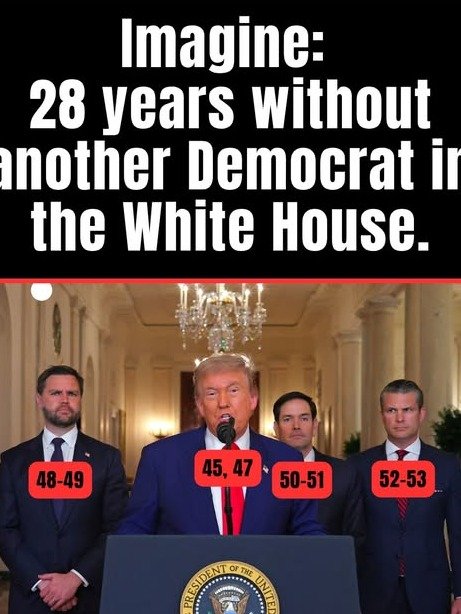
Forget the fleeting headlines and the soundbites designed for instant gratification. A profound shift is underway in the minds of voters across the nation. With back-to-back election cycles dominating our political landscape, something remarkable is happening: people are increasingly looking beyond the immediate four-year term, focusing instead on the deep, enduring trajectory of the country.
This isn’t just about choosing a leader; it’s about charting a course for generations to come. Are you truly grasping the monumental forces shaping our nation’s destiny, or are you still caught in the whirlwind of short-term political drama? The answer might surprise you, and it holds the key to understanding the future of our democracy.
The Awakening: A Shift in Voter Mindset
For decades, political discourse has often been dominated by immediate concerns: the next quarter’s economic report, the latest legislative battle, or the most recent gaffe. However, a growing number of voters are now recognizing that many of the most critical challenges facing society today – from climate change and national debt to technological disruption and social fragmentation – simply cannot be solved within a single election cycle.
This realization is fueling a quiet revolution. Citizens are beginning to demand that their elected officials, and indeed the entire political system, adopt a more expansive, long-range perspective. They are searching for leaders who can articulate a vision for the next 20, 50, or even 100 years, not just the next four.
Defining ‘Long-Term Direction’ Beyond the Ballot Box
So, what exactly does it mean to focus on the ‘long-term direction’ of a country? It’s far more than just abstract idealism. It encompasses fundamental shifts in policy, investment, and societal values that lay the groundwork for future prosperity, stability, and well-being.
Consider areas like infrastructure, education reform, healthcare systems, and environmental policy. Decisions made today in these critical sectors will have ripple effects for decades, influencing everything from economic competitiveness to public health and the quality of life for our grandchildren. A truly long-term perspective asks not just ‘what will this do for us tomorrow?’ but ‘what legacy are we building for future generations?’
The Echoes of Policy: How Today’s Decisions Shape Tomorrow
Every major policy decision, every judicial appointment, and every international treaty signed today casts a long shadow into the future. Think about the Interstate Highway System, initiated in the 1950s, which transformed American commerce and culture for the rest of the century. Or consider landmark civil rights legislation, whose impacts are still felt and debated today.
“The future belongs to those who believe in the beauty of their dreams.” – Eleanor Roosevelt. In a political context, this means voting for those who dare to dream beyond the immediate horizon.
Similarly, current debates around sustainable energy, artificial intelligence regulation, and national debt accumulation are not just about immediate economic impacts. They are about determining the very fabric of our society and economy for the next 50 years. Voters are increasingly aware that their choices at the polls are not just endorsements of a candidate, but endorsements of a future trajectory.
Generational Stakes: Differing Visions for the Future
The emphasis on long-term thinking is particularly pronounced among younger generations, who often bear the brunt of previous short-sighted decisions. Issues like climate change, student loan debt, and the future of social security are not theoretical for them; they are existential.
- Younger Voters: Often prioritize environmental sustainability, equitable access to education and healthcare, and systemic reforms that address generational inequalities.
- Older Voters: May focus on preserving existing institutions, economic stability, and legacy issues, though many also express deep concern for the future their children and grandchildren will inherit.
This dynamic creates both tension and opportunity. It highlights the need for a political dialogue that bridges generational divides, fostering a shared understanding of the long-term challenges and collective responsibility to address them.
Economic Trajectories: Beyond Quarterly Reports
When we talk about long-term economic direction, we’re moving beyond mere job numbers or GDP growth in a given quarter. We’re considering investments in research and development, green technologies, robust educational systems, and resilient supply chains that ensure sustainable prosperity.
Short-term economic boosts, while appealing, often come at the expense of long-term stability. Voters are beginning to scrutinize whether policies are truly building a competitive, innovative economy for the future, or merely providing temporary relief that kicks the can down the road on issues like national debt or technological stagnation.
Shaping Society and Values for Decades to Come
Beyond economics, the long-term direction also involves the evolution of our social fabric and core values. Judicial appointments, for instance, can shape legal interpretations and societal norms for a generation or more. Debates around civil liberties, social justice, and cultural identity are not fleeting; they are foundational to who we are as a nation.
Understanding a candidate’s long-term vision for society means looking past their immediate stance on a single issue and discerning their broader philosophy on human rights, community, and the role of government in fostering a just and inclusive society. These are the values that will be instilled in future generations.
Global Standing and Future Resilience
In an increasingly interconnected world, a country’s long-term direction is inextricably linked to its global standing. International agreements on climate, trade, and security define a nation’s role and influence for decades.
Are we investing in diplomatic relationships that will ensure peace and cooperation? Are we contributing to global efforts on health and environmental protection? These decisions determine our future resilience against global crises and our ability to thrive in a complex international arena. Voters are realizing that isolationism, while sometimes politically appealing in the short term, can have devastating long-term consequences for national security and economic prosperity.
Navigating the Short-Term Political Cycle: A Persistent Challenge
Despite this growing voter awareness, the political system itself often remains geared towards short-term wins. Election cycles are brief, media attention spans are fleeting, and the pressure to deliver immediate results is immense. This creates a significant challenge for leaders attempting to articulate and implement long-term visions.
- Media Focus: Often highlights day-to-day controversies rather than deep-seated policy implications.
- Campaign Finance: Can incentivize quick returns and immediate constituent satisfaction.
- Political Polarization: Makes consensus on long-term, bipartisan strategies incredibly difficult.
Overcoming these hurdles requires not just visionary leaders, but also an informed and demanding electorate that champions long-term thinking.
Empowering the Long-Term Voter
So, what can you do as a voter to contribute to this silent revolution? How can you ensure your voice supports a future-oriented approach?
- Demand Visionary Platforms: Look beyond immediate promises. Ask candidates about their 10, 20, or 50-year plans for key issues.
- Educate Yourself: Research the long-term implications of proposed policies, not just their immediate benefits or drawbacks. Engage with non-partisan organizations that analyze long-term trends.
- Support Long-Term Initiatives: Advocate for policies and institutions that are designed to address enduring challenges, even if their benefits aren’t immediately apparent.
- Engage Beyond Elections: Stay informed and engaged in civic discourse between election cycles. Hold elected officials accountable for their long-term commitments.
Your vote is more than just a checkmark; it’s a building block. Each election is an opportunity to either reinforce short-sighted cycles or to lay down foundations for a truly sustainable and prosperous future.
Charting a Sustainable Course for Generations
The realization that election cycles are not isolated events, but rather cumulative steps in a longer journey, is a powerful one. It empowers voters to demand more from their leaders and from themselves. By focusing on the long-term direction of the country, we move beyond the noise of immediate politics and engage with the profound responsibility of shaping the world our children and grandchildren will inherit.
This is not merely about political strategy; it is about stewardship. It’s about ensuring that the decisions made today reflect a deep commitment to future generations, building a nation that is resilient, equitable, and capable of thriving far beyond the next four years. Your active participation in this silent revolution is not just important; it is absolutely critical for the destiny of our nation.
About the Author




