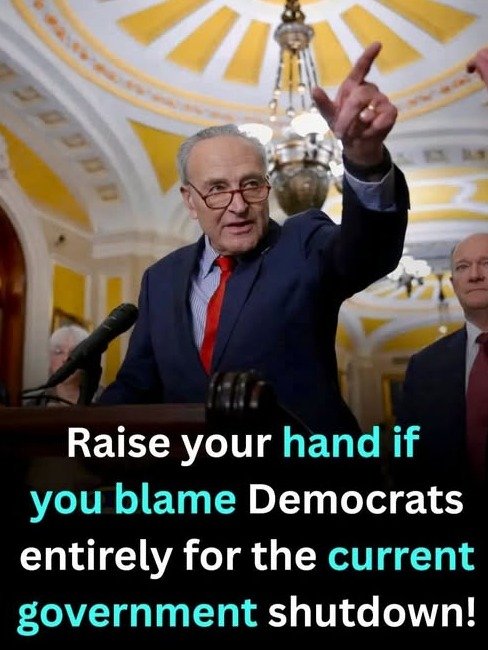
Imagine waking up tomorrow to find your paycheck delayed, your local national park closed, and crucial government services grinding to a halt. This isn’t a hypothetical doomsday scenario; it’s the stark reality that millions of Americans face every time a government shutdown looms or takes hold. Once again, the specter of a federal shutdown has ignited a firestorm of political debate across the United States, leaving citizens caught in the crossfire.
As partisan gridlock takes center stage, a pervasive sense of frustration is sweeping the nation. Many Americans are voicing deep concern, not just about the political wrangling, but about the tangible impact on essential services they rely on daily. This isn’t merely about abstract budget numbers; it’s about real people, real jobs, and the stability of our society.
Understanding the Shutdown Mechanism
So, what exactly *is* a government shutdown? In simple terms, it occurs when Congress fails to pass appropriation bills, or regular funding legislation, for the upcoming fiscal year by the deadline of October 1st. Without these bills, or a temporary stopgap measure known as a continuing resolution (CR), federal agencies lack the legal authority to spend money, forcing them to cease all non-essential operations.
This isn’t a minor administrative hiccup; it’s a profound disruption. Essential services, defined as those necessary to protect life and property, typically continue, but often with reduced staff and significant strain. Meanwhile, a vast array of other government functions, from scientific research to processing applications, simply grind to a halt, creating a ripple effect that touches every corner of the country.
The Immediate, Painful Impact on Everyday Life
One of the most immediate and devastating consequences of a shutdown is felt by the nearly two million federal employees. Hundreds of thousands are furloughed without pay, while hundreds of thousands more are deemed
About the Author




