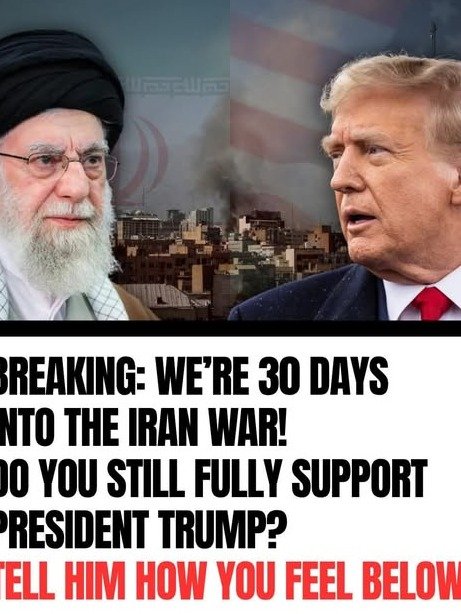
What if the next major global crisis isn’t a slow burn, but a powder keg already ignited, just waiting for the spark? For nearly a month, the simmering tensions between the United States and Iran have dominated headlines, escalating into a situation that demands our immediate attention.
This isn’t just another foreign policy talking point; it’s a critical juncture that could reshape global stability and impact everything from oil prices to international relations. As the world watches, the stakes couldn’t be higher, and the path forward remains shrouded in uncertainty.
The Unfolding Crisis: A Month in Review
The past thirty days have seen a concerning uptick in rhetoric and actions from both Washington and Tehran. What began as a strategic chess match has morphed into a high-stakes poker game, with each side raising the ante. We’ve witnessed a series of naval incidents, cyber skirmishes, and proxy engagements that have pushed the region closer to the brink.
From alleged attacks on shipping lanes to heightened military alerts, the Gulf region has become a flashpoint. Each incident, no matter how small, carries the potential for miscalculation, transforming an already volatile situation into an uncontrollable crisis. The world holds its breath, hoping for de-escalation while preparing for the worst.
These recent escalations aren’t happening in a vacuum. They are deeply rooted in a complex tapestry of historical grievances, geopolitical ambitions, and ideological clashes that have defined US-Iran relations for decades. Understanding this intricate history is crucial to grasping the gravity of the current moment.
A Troubled History: Roots of the Current Strain
The relationship between the United States and Iran has been fraught with challenges since the 1979 Islamic Revolution. Decades of mistrust, sanctions, and proxy conflicts have created a deep chasm that successive administrations have struggled to bridge. The withdrawal from the Joint Comprehensive Plan of Action (JCPOA), commonly known as the Iran nuclear deal, marked a significant turning point, unraveling years of delicate diplomacy.
This decision, followed by the re-imposition of stringent sanctions, was intended to pressure Iran into renegotiating a more comprehensive agreement. Instead, it has been met with increased defiance from Tehran, leading to a tit-for-tat escalation that has only intensified over the past month. Both nations now find themselves in a dangerous cycle of action and reaction, with little room for compromise.
The historical context also includes Iran’s regional influence, its support for various non-state actors, and its ballistic missile program. These elements are seen by the US and its allies as destabilizing factors, further complicating any potential path to peaceful resolution. The current standoff is a culmination of these long-standing issues, now amplified to an alarming degree.
America Divided: Polling the Public Sentiment
Amidst this escalating international drama, recent polling reveals a deeply divided American public. As the situation with Iran remains front and center in U.S. foreign policy debates, citizens are grappling with complex questions about the best course of action. This division reflects a broader national uncertainty regarding interventionism versus diplomacy, and the potential costs of each path.
On one side, a significant portion of the public advocates for a tough stance, believing that strong pressure and even military deterrence are necessary to curb Iran’s ambitions. They argue that appeasement only emboldens adversaries and that national security demands decisive action. This perspective often emphasizes Iran’s human rights record and its destabilizing activities in the Middle East.
“The American public is not monolithic in its view of Iran. We see a clear split between those who prioritize security through strength and those who favor diplomatic engagement, reflecting a deep-seated debate about America’s role in the world.” – Dr. Evelyn Reed, Foreign Policy Analyst
Conversely, another substantial segment of Americans expresses strong reservations about military confrontation. They fear the potential for another costly and protracted conflict in the Middle East, recalling the lessons of past interventions. This group often champions diplomatic solutions, advocating for renewed negotiations and de-escalation to prevent further loss of life and resources.
- Arguments for Diplomacy: Avoidance of war, protection of American lives, economic stability (e.g., oil prices), preservation of international alliances, and the potential for long-term peaceful resolutions.
- Arguments for Stronger Action: Deterring hostile behavior, protecting allies, preventing nuclear proliferation, upholding international norms, and demonstrating American resolve.
This internal debate within the U.S. adds another layer of complexity to the foreign policy challenge. The administration faces pressure from various political factions, each with a different vision for how to navigate the perilous waters of US-Iran relations.
Global Repercussions: Beyond US Borders
The US-Iran standoff is not a bilateral issue; its ripples are felt across the globe. International allies, particularly in Europe, have expressed deep concern over the escalating tensions, often advocating for a return to diplomacy and the preservation of the nuclear deal. They fear that a military conflict could have catastrophic consequences for regional and global stability, including disruptions to vital oil supplies.
In the Middle East, the situation is even more precarious. Regional rivals like Saudi Arabia and Israel watch with apprehension, their own security interests intricately tied to the outcome. Any escalation could ignite proxy conflicts across the Levant, Yemen, and beyond, drawing in multiple actors and creating an even wider humanitarian crisis.
The global economy also stands on shaky ground. Oil prices are highly sensitive to geopolitical instability in the Gulf, and a full-blown conflict could send shockwaves through international markets, impacting everything from fuel costs to consumer goods worldwide. The economic toll of sustained tension, let alone war, would be immense and far-reaching.
Navigating the Minefield: Policy Options and Challenges
As the situation continues to evolve, policymakers in Washington and Tehran face a daunting task. The options are limited, and each carries significant risks. One path involves sustained diplomatic outreach, seeking to de-escalate through back-channel communications and potentially new rounds of negotiations.
This approach would require significant concessions and a rebuilding of trust, which is currently in short supply. Another option is to maintain the current strategy of maximum pressure through sanctions, hoping to force Iran to the negotiating table on more favorable terms. However, this risks further economic hardship for the Iranian people and could provoke more aggressive responses from Tehran.
The greatest challenge lies in managing expectations and avoiding miscalculation. Both sides need off-ramps and clear communication channels to prevent accidental escalation. The internal politics of both nations, coupled with the complex web of regional alliances and rivalries, make finding a peaceful resolution incredibly difficult but absolutely essential.
The Path Ahead: What Comes Next?
As the ’30 days in’ mark passes, the US-Iran situation remains a top priority and a constant source of global anxiety. The divided opinions within America reflect the profound complexity and potential ramifications of this standoff. There are no easy answers, and the consequences of missteps could be devastating.
The coming weeks and months will be crucial. Whether through renewed diplomatic efforts, continued pressure, or an unforeseen event, the trajectory of US-Iran relations will undoubtedly shape the future of the Middle East and beyond. It is a situation that demands vigilance, careful consideration, and a concerted effort from all parties to seek a path towards de-escalation and stability.
The world watches, hoping that diplomacy can prevail over confrontation, and that the silent countdown to a potential crisis can be halted before it’s too late. The stakes are too high to ignore, and the implications too vast to underestimate.
About the Author




