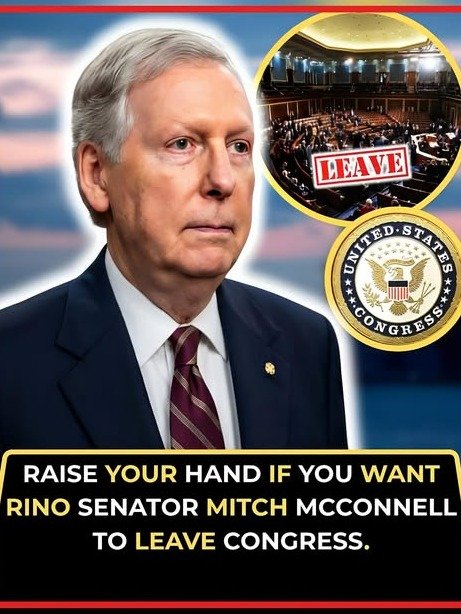
Is the Republican Party as we know it on the verge of a seismic transformation? A quiet, yet incredibly intense, battle for its very soul is currently raging behind closed doors and in the public square, shaping the political landscape for decades to come. This isn’t just about who leads the party; it’s about what the party stands for, who it represents, and its fundamental direction in a rapidly changing America.
For months, whispers of internal strife have been growing louder, evolving into full-blown debates among voters, activists, and elected officials alike. The stakes couldn’t be higher, not just for Republicans, but for the entire nation. Understanding these dynamics is crucial, as the outcome will undoubtedly redefine American politics and policy.
The Shifting Sands of the GOP Landscape
The Republican Party finds itself at a critical juncture, navigating a post-Trump era while grappling with demographic shifts, evolving voter priorities, and persistent electoral challenges. The once relatively cohesive conservative movement now appears fractured, with various factions vying for influence and control over its future trajectory. This isn’t a simple disagreement; it’s a fundamental ideological clash.
The traditional pillars of the Republican platform – fiscal conservatism, limited government, and a strong national defense – are being re-evaluated, challenged, and in some cases, outright rejected by emergent forces within the party. This internal reckoning is not just a passing phase; it represents a deep-seated identity crisis that demands resolution.
The Trump Legacy: A Double-Edged Sword
Donald Trump’s presidency undeniably reshaped the Republican Party, injecting it with a populist, nationalist energy that mobilized millions of new voters. His ‘America First’ agenda and direct communication style resonated deeply with a segment of the electorate often overlooked by traditional political establishments. This legacy continues to cast a long shadow, polarizing the party even as it energizes its base.
While Trump’s influence remains immense, his departure from office has opened the door for a fierce debate about how much of his ideology should endure. Many loyalists believe the path to future victories lies in doubling down on his populist message, while others contend that the party must broaden its appeal beyond a single personality to regain national relevance and electoral dominance.
“The Republican Party is at a crossroads, where the echoes of the past collide with the urgent demands of the future. Its ability to reconcile these forces will determine its very survival.”
Factions Emerge: Who’s Fighting for What?
The debate over the GOP’s future isn’t monolithic; it’s a complex tapestry woven from several distinct ideological threads, each with its own vision for the party.
- The MAGA/Populist Wing: This faction, deeply loyal to Donald Trump, emphasizes nationalism, cultural conservatism, and an anti-establishment stance. They prioritize issues like border security, trade protectionism, and combating perceived ‘woke’ ideologies, often appealing to working-class voters and those feeling left behind by globalism.
- Traditional Conservatives: Often referred to as the ‘establishment’ wing, these Republicans adhere to classic conservative principles: fiscal responsibility, free markets, limited government intervention, and a strong national defense rooted in international alliances. They seek a return to pre-Trump norms and policies, valuing institutional stability and decorum.
- Libertarian-leaning Republicans: While a smaller faction, they advocate for even greater individual liberty, minimal government, and non-interventionist foreign policy. They often find common ground with fiscal conservatives but diverge on social issues and the scope of government power.
- Centrist/Moderate Republicans: Aiming to appeal to swing voters and broaden the party’s tent, this group often seeks pragmatic solutions and compromise. They may emphasize economic growth, environmental stewardship, and social compassion, often struggling for influence in an increasingly polarized political landscape.
Each of these groups holds a unique perspective on the party’s core identity and strategic direction, making a unified path forward a significant challenge.
Policy Battlegrounds: Where Ideologies Collide
The internal leadership debate extends far beyond personalities; it’s fundamentally about policy. Key areas reveal stark differences in priorities and approaches:
- Economic Policy: Should the party prioritize traditional tax cuts and deregulation to stimulate corporate growth, or embrace a more populist approach focused on protecting American jobs, industrial policy, and direct aid to working families, even if it means increased government spending?
- Foreign Policy: Is the ‘America First’ isolationist stance the future, or should the party reaffirm its commitment to NATO, international alliances, and a robust global presence? The debate over interventionism versus non-interventionism is fierce.
- Social and Cultural Issues: How aggressively should the party engage in culture wars? Some argue for a strong defense of traditional values and a direct confrontation with progressive ideologies, while others believe the party should focus on economic issues and avoid alienating younger, more socially liberal voters.
- Immigration: While border security is a near-universal priority, the debate rages on about comprehensive immigration reform, pathways to legal status, and the role of guest worker programs.
These policy disagreements are not minor skirmishes; they represent fundamental differences in how Republicans envision the role of government and America’s place in the world.
The Demographic Dilemma: Winning Over New Voters
One of the most pressing challenges facing the Republican Party is its struggle to connect with an increasingly diverse and younger electorate. While the party has historically relied on older, white, and rural voters, demographic trends indicate a growing need to expand its appeal to urban, suburban, and minority communities.
This demographic dilemma fuels much of the internal debate. Some argue that a more inclusive and less confrontational approach on social issues is necessary, while others believe that doubling down on conservative values will solidify the base and attract new voters who feel disenfranchised by progressive narratives. The ability to bridge this gap will be crucial for long-term electoral success.
Grassroots Uprising: The Power of the Base
The momentum behind this leadership debate isn’t solely driven by Washington insiders; it’s significantly influenced by the party’s grassroots. Voters and activists, energized by social media and conservative media outlets, are actively participating in shaping the party’s future through primary elections, local organizing, and vocal advocacy.
This bottom-up pressure means that any potential leader or faction must prove their resonance with the base. The days of party elites dictating the direction are largely over; the power now resides significantly with the millions of dedicated Republicans who cast their ballots and volunteer their time, making the debate truly democratic and often unpredictable.
Looking Ahead: Potential Paths for the Party
As the Republican Party grapples with its identity, several potential paths lie ahead, each with profound implications:
- Consolidation Around a New Populist Leader: The party could coalesce around a new figure who effectively channels the populist energy of the Trump era, perhaps with a refined message that broadens its appeal while maintaining core tenets.
- Return to Traditional Conservatism: A faction could successfully steer the party back towards its pre-Trump roots, emphasizing fiscal conservatism, free markets, and a more conventional foreign policy, potentially alienating some of the newer populist voters.
- A More Diverse, Big-Tent Approach: The party might evolve to embrace a wider range of views, seeking to attract moderates and minority voters through more inclusive messaging and policy platforms, even if it means some internal tension.
- Internal Fracturing: In the most extreme scenario, the ideological divides could prove too wide to bridge, leading to a significant splintering or a protracted period of internal weakness.
The direction the party ultimately takes will depend on a delicate balance of electoral performance, the emergence of compelling new leaders, and the ability of various factions to compromise or assert dominance.
The Stakes Are High: Why This Matters to Everyone
The outcome of this Republican leadership debate will resonate far beyond the confines of the party itself. A strong, unified, and electorally competitive Republican Party is essential for a healthy two-party system, ensuring robust debate, checks and balances, and diverse representation in government.
Conversely, a fractured or perpetually struggling GOP could lead to political instability, an imbalance of power, and a less responsive government. The future of American policy on everything from the economy and healthcare to foreign relations and social justice hinges, in part, on how this vital political institution resolves its internal struggles. Pay attention, because the future of the nation is being decided right now.
About the Author




