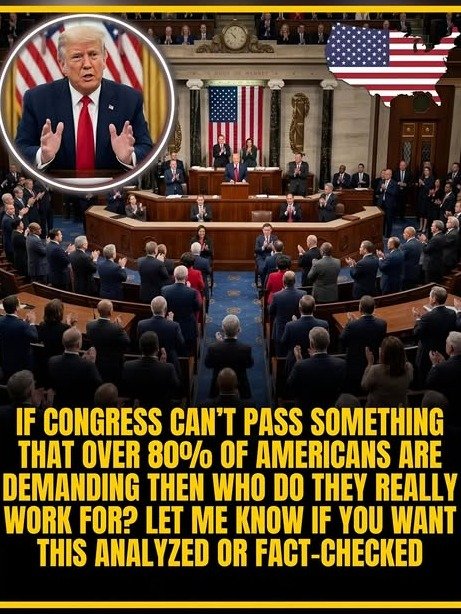
Imagine a future where casting your ballot feels drastically different. A new legislative push, often referred to as the ‘SAVE Act’ by its proponents, is rapidly gaining momentum, threatening to reshape the very foundation of how we participate in federal elections. This isn’t just another political debate; it’s a high-stakes battle over voter access, election integrity, and the future of American democracy.
Across the nation, this controversial proposal is sparking intense discussion and igniting fiery divisions among lawmakers. At its core, the ‘SAVE Act’ aims to implement significantly stricter documentation requirements for federal elections, a move that supporters argue is crucial for safeguarding the integrity of our electoral process, while opponents warn it could disenfranchise millions of eligible voters.
Unpacking the ‘SAVE Act’: What’s on the Table?
The proposed ‘SAVE Act’ — an acronym often standing for ‘Securing American Voter Eligibility’ or similar — seeks to standardize and elevate the identification and proof of citizenship required to register and vote in federal elections. While specific details can vary depending on the legislative draft, the general thrust involves a move away from current, often more flexible, state-level requirements towards a more uniform and rigorous federal standard.
This could mean an end to affidavit voting, same-day registration without immediate proof of citizenship, or the acceptance of a wider range of identification documents. Instead, voters might be required to present specific government-issued photo IDs, birth certificates, or even passports, not just at the polls, but potentially at the time of voter registration.
The Argument for Stricter Documentation: Election Integrity
Advocates for the ‘SAVE Act’ frequently champion the concept of ‘election integrity.’ They contend that current election systems are vulnerable to fraud, whether through illegal voting by non-citizens, duplicate voting, or impersonation. By demanding more stringent documentation, they believe the system becomes more secure, transparent, and trustworthy.
A core tenet of this argument is the idea that voting is a fundamental right, but also a civic responsibility that comes with the expectation of proving one’s eligibility.
“If you need an ID to buy alcohol, board a plane, or open a bank account, why wouldn’t you need one to exercise the most sacred right in our democracy?” states one proponent.
This perspective suggests that any inconvenience caused by stricter rules is a small price to pay for preventing potential abuses and ensuring that only eligible citizens cast ballots.
The Counter-Argument: Voter Suppression and Access Concerns
On the other side of the aisle, critics of the ‘SAVE Act’ raise serious alarms about voter suppression. They argue that implementing overly strict documentation requirements disproportionately impacts vulnerable populations, making it harder for millions of eligible Americans to vote. These groups often include:
- Elderly voters: Many older citizens may not have easy access to original birth certificates or may have expired forms of ID and lack the means to renew them.
- Low-income individuals: Obtaining required documents, such as birth certificates or state IDs, can involve fees, travel costs, and time off work, posing significant financial and logistical hurdles.
- Students and young voters: Many students live away from their permanent residences and may not have local IDs or the necessary documentation readily available.
- Racial and ethnic minorities: Historically, these communities have faced systemic barriers to voting, and stricter ID laws can exacerbate existing inequalities.
- People with disabilities: Mobility issues or other challenges can make it difficult to navigate the process of acquiring specific documents.
Opponents contend that while the goal of election integrity is laudable, the proposed methods of the ‘SAVE Act’ are a solution in search of a problem. They point to numerous studies and analyses that show voter fraud, particularly in-person voter impersonation, to be exceedingly rare. Instead, they argue, these measures are a thinly veiled attempt to suppress turnout among demographics that tend to vote against the party proposing such laws.
The Nationwide Attention and Lawmaker Divide
The ‘SAVE Act’ isn’t just a quiet legislative proposal; it’s a lightning rod for national attention. News outlets, advocacy groups, and social media platforms are buzzing with debates, op-eds, and heated discussions. This heightened scrutiny reflects the profound implications such a bill would have on the future of American elections.
Lawmakers themselves are deeply divided, often along partisan lines. Republican legislators largely champion the bill, emphasizing the need for robust security measures to restore public confidence in election outcomes. Democratic lawmakers, conversely, express grave concerns about disenfranchisement and call for measures that prioritize voter access while still maintaining reasonable security.
This division isn’t just about policy; it’s about fundamentally different philosophies regarding the balance between security and access in a democratic society. The debate highlights the ideological chasm that often separates the two major parties on issues concerning voting rights.
Historical Context: A Recurring American Debate
The discussion around voter identification and eligibility is far from new. Throughout American history, there have been continuous battles over who gets to vote and under what conditions. From poll taxes and literacy tests to grandfather clauses, efforts to restrict access have often targeted specific populations.
The modern debate over voter ID laws, of which the ‘SAVE Act’ is a potential federal iteration, began gaining significant traction in the early 2000s. Many states have already implemented various forms of voter ID, ranging from non-photo ID requirements to strict photo ID mandates. The ‘SAVE Act’ would represent a significant escalation, seeking to impose a uniform, stringent standard across all federal elections, overriding state variations.
Potential Impacts on Election Administration and Voter Turnout
If enacted, the ‘SAVE Act’ would create immense logistical challenges for election administrators nationwide. States would need to overhaul their voter registration systems, educate millions of voters about new requirements, and potentially provide resources for citizens to obtain the necessary documentation. This would likely come with significant financial costs and administrative burdens.
More critically, the impact on voter turnout could be substantial. While proponents hope it would increase confidence and thus participation, opponents fear it would depress turnout, particularly among those who already face barriers to voting. The experience in various states with strict ID laws has shown mixed results on turnout, but often indicates a disproportionate impact on minority and low-income voters.
The Road Ahead: What Happens Next?
The future of the ‘SAVE Act’ remains uncertain, but its prominence in national discourse is undeniable. As discussions intensify, citizens, advocacy groups, and lawmakers will continue to grapple with fundamental questions:
- How do we balance the imperative of election security with the fundamental right to vote?
- What constitutes a reasonable burden for a citizen to prove their eligibility?
- Will a federal mandate unify or further fragment our electoral system?
The outcome of this debate will undoubtedly shape the landscape of American democracy for generations to come. It’s a call to action for every eligible voter to understand the stakes, engage in the conversation, and ensure their voice is heard, because the battle for your vote is happening right now.
About the Author




