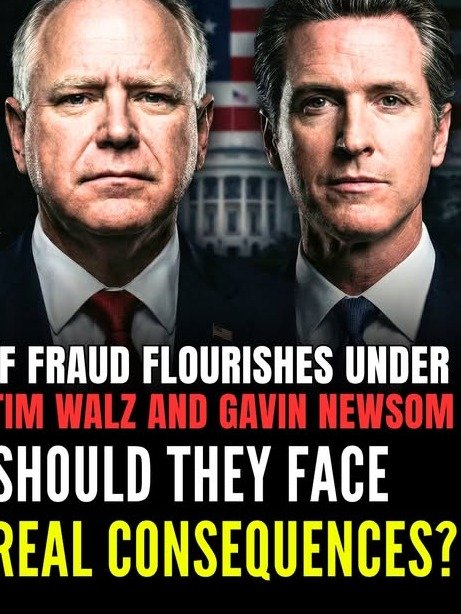
Have you ever felt a surge of frustration watching political figures seemingly escape accountability, no matter the scandal, the broken promise, or the policy failure? It’s a question that gnaws at the heart of our society, fueling cynicism and eroding trust in the very institutions designed to serve us. This pervasive sense that politicians operate above the law, shielded from the consequences ordinary citizens would face, isn’t just a feeling – it’s a systemic issue with profound implications for our democracy and future.
It often feels like a cruel paradox: those entrusted with the greatest power and responsibility are frequently the least likely to be held genuinely accountable for their actions. Whether it’s controversies surrounding financial dealings, ethical breaches, or the fallout from disastrous policy decisions, the public perception is clear: a different standard applies to the political elite. This perceived impunity creates a chasm between the governed and the governors, leading to widespread disillusionment and a dangerous erosion of faith in the democratic process itself.
The Illusion of Impunity: What Does ‘No Consequences’ Really Mean?
When we talk about politicians facing ‘no consequences,’ we’re not just referring to legal repercussions. It encompasses a broader spectrum of accountability: electoral defeat, loss of reputation, ethical censure, or even a simple public acknowledgement of error. The problem arises when even clear instances of wrongdoing or gross incompetence fail to result in any meaningful form of these consequences, allowing individuals to continue their careers largely unhindered.
This isn’t to say that politicians *never* face consequences. Sometimes, scandals do lead to resignations, electoral losses, or even legal action. However, these instances often feel like exceptions rather than the rule, especially when compared to the sheer volume of alleged misconduct or policy missteps that seem to vanish from public discourse without any significant impact on the individuals involved. The public watches, often helpless, as the news cycle moves on, leaving unresolved questions and a bitter taste of injustice.
Understanding the Systemic Shields That Protect Power
Why does this phenomenon persist? The answer lies in a complex web of legal protections, political structures, and societal dynamics that, intentionally or not, create powerful shields around those in power. These aren’t always malicious designs but rather the culmination of historical precedents, evolving legal interpretations, and the inherent nature of political power.
“Power tends to corrupt, and absolute power corrupts absolutely.” – Lord Acton
This timeless observation rings true, reminding us that unchecked authority is inherently dangerous. In the political sphere, various mechanisms contribute to this lack of accountability, from parliamentary privilege to the immense resources available to defend against legal challenges or public scrutiny.
Legal Loopholes and Immunities
- Parliamentary/Congressional Immunity: In many democratic systems, elected officials enjoy certain immunities from legal action for statements made or actions taken in their official capacity. While intended to protect free speech and debate, these can sometimes be stretched to shield against accountability for unethical conduct.
- Slow Justice System: Investigations into high-profile political figures are often protracted, complex, and resource-intensive. The sheer length of time it takes for a case to move through the courts can often outlast public interest or even political careers, effectively neutralizing the immediate impact of any potential legal consequence.
- High Bar for Proof: Prosecuting politicians for corruption or abuse of power often requires an extremely high standard of proof, making convictions difficult to secure, especially when evidence can be obscured or destroyed.
These legal frameworks, while sometimes necessary for the functioning of government, can inadvertently become tools for evasion. They create a perception, and sometimes a reality, that a different set of rules applies when you’re a public servant, especially one at the higher echelons of power.
The Political Machine and Party Loyalty
Beyond legal protections, the very nature of party politics often acts as a significant barrier to accountability. Party loyalty frequently trumps independent scrutiny, with members closing ranks to protect their own, even in the face of compelling evidence of wrongdoing. This tribalism can stifle internal dissent and prevent meaningful investigations from taking root.
Furthermore, the influence of campaign finance and powerful lobbying groups can create an environment where politicians feel more beholden to their donors and special interests than to the general public. This can manifest in policies that benefit a select few, with little fear of repercussion as long as the political machine continues to fund their campaigns and protect their seats.
The Erosion of Trust: What Unchecked Power Does to Society
The consequences of this perceived impunity are far-reaching and deeply damaging. When citizens believe their leaders are not held to account, the foundation of trust between the government and the governed crumbles. This erosion of trust manifests in several critical ways:
- Increased Cynicism and Apathy: People become disillusioned, believing that their vote doesn’t matter and that all politicians are ‘the same.’ This can lead to lower voter turnout and a disengagement from civic life, weakening the democratic process.
- Rise of Populism and Extremism: Frustration with the political establishment can create fertile ground for populist movements that promise to ‘drain the swamp’ or challenge the status quo, sometimes leading to more volatile and less stable political landscapes.
- Perpetuation of Bad Governance: If there are no consequences for poor performance or unethical behavior, there is little incentive for politicians to improve. This can lead to a decline in the quality of public service and policies that fail to address the real needs of the populace.
- Threat to the Rule of Law: When those who make and enforce laws appear to be above them, it undermines the very principle of equality before the law, a cornerstone of any just society. This can set a dangerous precedent, suggesting that power grants immunity.
The feeling that ‘they always get away with it’ isn’t just a minor complaint; it’s a symptom of a deeper malaise that threatens the health and stability of our democratic systems. It breeds resentment and a sense of injustice that can fester and erupt in unexpected ways.
Breaking the Cycle: Demanding Real Accountability
So, what can be done to shift this paradigm and ensure that politicians face genuine consequences for their actions? It requires a multi-pronged approach involving stronger institutions, more engaged citizens, and a commitment to transparency.
Strengthening Independent Oversight
One crucial step is to bolster the independence and power of oversight bodies. This includes:
- Independent Ethics Commissions: Empowering non-partisan bodies with the authority to investigate and sanction ethical breaches, free from political interference.
- Robust Anti-Corruption Agencies: Ensuring these agencies have the necessary resources and legal teeth to pursue investigations without fear or favor.
- Judicial Independence: Protecting the judiciary from political pressure, allowing courts to hold power accountable without compromise.
These institutions act as vital checks and balances, but their effectiveness depends entirely on their ability to operate without political influence, a challenge in many systems.
Empowering the Electorate and Civil Society
Ultimately, the power to demand accountability rests with the people. An informed, engaged, and active citizenry is the most potent force against unchecked power. This includes:
- Voter Engagement: Actively participating in elections, researching candidates, and holding elected officials to their promises. Voting isn’t just a right; it’s a responsibility to enforce accountability.
- Support for Investigative Journalism: A free and robust press is essential for uncovering wrongdoing and bringing it to public light. Supporting independent media outlets is crucial.
- Advocacy and Grassroots Movements: Citizens must organize, protest, and lobby for reforms that strengthen accountability mechanisms, from campaign finance reform to increased transparency laws.
- Digital Activism: Utilizing online platforms to share information, organize, and amplify calls for accountability, making it harder for issues to be swept under the rug.
When citizens collectively raise their voices and demand higher standards, politicians are forced to listen, knowing that their political futures depend on it.
Enhancing Transparency and Legal Frameworks
Finally, there’s a need for continuous improvement in legal and procedural frameworks:
- Campaign Finance Reform: Reducing the influence of big money in politics can help ensure politicians are accountable to voters, not just donors.
- Lobbying Reform: Increasing transparency around lobbying activities and tightening regulations can prevent undue influence on policy decisions.
- Whistleblower Protection: Strengthening laws to protect individuals who expose corruption within government is vital for uncovering hidden abuses.
- Clearer Codes of Conduct: Establishing unambiguous ethical guidelines and swift, enforceable penalties for violations can set a higher standard for public office.
These reforms are not easily achieved, as they often challenge entrenched interests. However, they are essential steps towards building a system where accountability is the norm, not the exception.
The Path Forward: A Call to Action
The problem of politicians seemingly escaping consequences is a deeply entrenched issue, but it is not insurmountable. It requires a sustained, collective effort from all sectors of society – from voters and activists to journalists and independent institutions. The health of our democracy, the fairness of our society, and the trust we place in our leaders depend on our willingness to demand and enforce real accountability.
Let’s not succumb to cynicism, but instead, transform our frustration into action. By understanding the systemic issues, supporting robust oversight, and actively participating in the democratic process, we can begin to dismantle the shields of impunity and ensure that those who govern are truly accountable to the people they serve. The future of our society hinges on our collective commitment to justice and transparency.
About the Author




