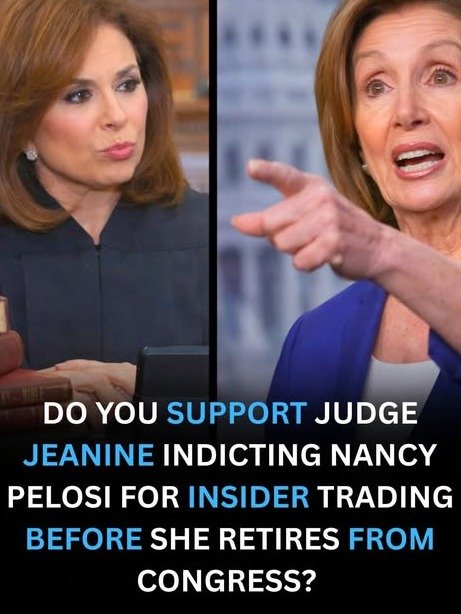
What if the individuals we elect to represent us in Congress are quietly making a fortune in the stock market, armed with knowledge unavailable to the public? This isn’t a conspiracy theory; it’s the heart of a nationwide debate that has once again ignited, demanding greater transparency and accountability from our elected officials.
For too long, the practice of members of Congress and their families trading individual stocks has lingered in a grey area, raising serious ethical questions. The perception that lawmakers could be leveraging their privileged positions for personal financial gain erodes public trust and undermines the very foundation of our democracy. It’s time to pull back the curtain on this controversial issue.
The Alarming Reality of Congressional Trading
The core of the problem lies in the immense power and access to information that members of Congress possess. They attend private briefings, shape legislation, and make decisions that can directly impact industries, companies, and the broader economy. This unique vantage point offers a significant, often unfair, advantage in the stock market.
Imagine knowing, even slightly ahead of time, about an upcoming defense contract, a new environmental regulation, or a major trade deal. Such knowledge, if acted upon in the stock market, could yield substantial profits. While direct, provable insider trading is illegal, the line between legitimate investment and leveraging privileged information can become incredibly blurry for those operating within the halls of power.
A History of Controversy: The STOCK Act and Its Flaws
This isn’t a new concern. The debate around congressional stock trading reached a fever pitch over a decade ago, leading to the passage of the Stop Trading on Congressional Knowledge (STOCK) Act in 2012. This bipartisan legislation was designed to combat potential insider trading by members of Congress and their staff.
The STOCK Act explicitly affirmed that federal insider trading laws apply to members of Congress and required them to publicly disclose their stock trades within 45 days. The intention was to increase transparency and deter unethical behavior. However, many critics argue that the Act, while a step in the right direction, ultimately fell short of its goals.
“The STOCK Act was a good start, but disclosure isn’t prevention. It allows us to see the problem after it happens, not stop it from happening in the first place.” – A common sentiment among reform advocates.
The 45-day disclosure window, for instance, is often seen as too long, allowing trades to be completed and profits secured long before the public is aware. Furthermore, the penalties for non-compliance have often been minimal, doing little to deter violations. The loopholes and lack of strict enforcement have left many feeling that the Act is more of a suggestion than a robust deterrent.
The Insider Edge: How Information Becomes Profit
The potential for lawmakers to gain an unfair advantage isn’t limited to classified information. Consider these scenarios:
- Committee Assignments: A member serving on a committee overseeing a specific industry might gain deep insights into regulatory changes or upcoming policy shifts that could affect related companies.
- Legislative Drafting: Involvement in writing bills can provide foresight into which sectors will benefit or suffer from new laws, long before they are public knowledge.
- Economic Briefings: Regular access to economic forecasts and intelligence from government agencies offers a macro-level advantage in understanding market trends.
Even if a member isn’t actively seeking to profit from this information, the mere existence of it creates an undeniable conflict of interest. The public cannot discern whether a lawmaker’s investment decisions are based on public information or privately acquired insights, leading to an inescapable perception of impropriety.
Erosion of Trust: The Public’s Verdict
Perhaps the most damaging aspect of congressional stock trading is its impact on public trust. When headlines reveal unusually timed trades by lawmakers, it fuels cynicism about government and democracy itself. It suggests that while ordinary citizens struggle, their representatives might be enriching themselves.
Polls consistently show overwhelming bipartisan support for banning members of Congress from trading individual stocks. Americans across the political spectrum believe that their elected officials should be solely focused on public service, not personal profit. This widespread sentiment highlights a deep-seated desire for integrity and ethical conduct in Washington.
The Call for a Total Ban: What Does It Entail?
In response to renewed public outcry and analysis of trading data, momentum is building for more comprehensive reform. The most prominent proposal is an outright ban on individual stock trading for members of Congress and their immediate families (spouses and dependent children).
Under such a ban, lawmakers would typically be allowed to invest in diversified assets like mutual funds or exchange-traded funds (ETFs) that track broad market indices, or place their assets into a qualified blind trust. A blind trust is managed by an independent third party who makes all investment decisions without the knowledge or input of the officeholder, thus eliminating the conflict of interest.
Arguments Against a Ban: Are They Valid?
While public support for a ban is high, some arguments are often raised against it:
- Personal Freedom: Opponents argue that a ban infringes on a lawmaker’s personal property rights and ability to manage their own finances.
- Deterring Qualified Candidates: Some suggest that strict financial restrictions might deter talented individuals from running for office, as it could be seen as an undue burden.
- Existing Regulations: Proponents of the status quo point to the STOCK Act and other ethics rules as sufficient, arguing that the focus should be on stricter enforcement rather than new prohibitions.
However, these arguments often fall short when weighed against the importance of public trust and the unique responsibilities of public office. Serving in Congress is a privilege, not a right, and it comes with inherent limitations on personal activities to ensure the integrity of the institution. Many other high-level government positions already have similar restrictions, and numerous developed nations have far stricter rules for their legislators.
A Path Towards True Accountability
Achieving meaningful reform will require sustained pressure from the public and a willingness from lawmakers to prioritize ethical governance over personal financial interests. Several paths could lead to a more accountable system:
- Bipartisan Legislation: Several bills have been introduced in both the House and Senate, demonstrating a growing, though not yet unified, desire for change. Uniting behind a strong, clear proposal is crucial.
- Robust Enforcement: Any new rules must be accompanied by clear, severe penalties for violations, ensuring that there are real consequences for those who breach the public’s trust.
- Independent Oversight: Strengthening the ethics committees and providing them with more resources and independence could help ensure that investigations are thorough and unbiased.
The conversation around congressional stock trading isn’t just about financial markets; it’s about the very integrity of our representative government. It’s about ensuring that lawmakers are working solely for the good of their constituents, free from the shadow of personal enrichment.
The Time for Action is Now
The debate has reignited because the public is tired of the appearance of corruption and the perceived double standards. Americans deserve to have full faith that their elected officials are making decisions based on sound policy and public interest, not on opportunities to boost their personal portfolios.
Implementing a comprehensive ban on individual stock trading for members of Congress and their families is a clear, unambiguous step towards restoring that faith. It would send a powerful message that public service is about sacrifice and dedication, not self-enrichment. The time for half-measures is over; true accountability is long overdue.
It’s up to us, the citizens, to keep this issue at the forefront, demanding that our representatives finally enact the reforms necessary to ensure integrity and transparency in Washington. Our democracy depends on it.
About the Author




