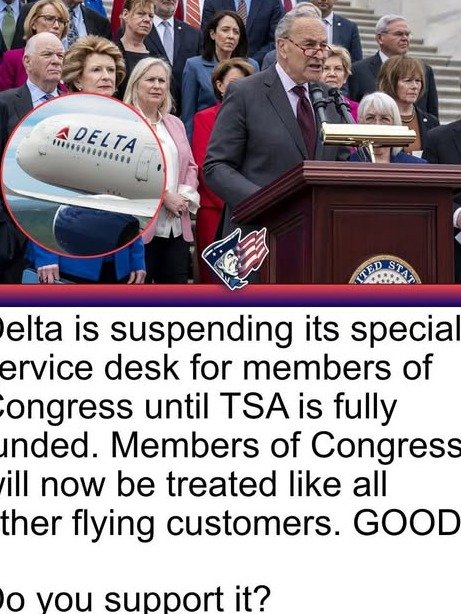
Imagine a world where you go to work every day, securing your nation, knowing that your paycheck might never arrive. This wasn’t a hypothetical nightmare for thousands of dedicated federal employees during recent government shutdowns; it was their terrifying reality. While the very individuals keeping our airports safe were forced to sell plasma just to put food on the table, and some even wrestled with the most desperate thoughts imaginable, a starkly different experience unfolded for those in power.
The stories that emerged from the front lines of these shutdowns painted a grim picture of American public service. Essential workers, deemed critical to national security and public safety, were left in an impossible bind: work without pay, or face unimaginable financial ruin. This wasn’t just an inconvenience; it was a profound crisis that pushed countless families to their absolute breaking point, revealing a deeply unsettling disparity in how different segments of our society experience political gridlock.
The Unseen Scars of Government Shutdowns
The impact of a government shutdown extends far beyond delayed services or closed national parks. For the hundreds of thousands of federal employees caught in the crossfire, it translates directly into missed mortgage payments, empty refrigerators, and impossible choices. These are the men and women who show up day in and day out, safeguarding our borders, processing our taxes, and ensuring our food is safe, often for modest wages.
During the longest government shutdown in U.S. history, which stretched for 35 days from December 2018 to January 2019, the financial strain became unbearable for many. Transportation Security Administration (TSA) officers, crucial for maintaining airport security, were among those mandated to work without pay. They couldn’t simply walk off the job; national security depended on them. Yet, their personal security, their family’s well-being, was utterly jeopardized.
A Desperate Search for Survival
Reports from that period highlighted an alarming trend: federal employees, including TSA agents, resorting to extreme measures to survive. News outlets documented stories of individuals selling their blood plasma, a painful and time-consuming process, just to earn a few extra dollars to cover basic necessities like groceries or gas. Food banks saw an unprecedented surge in demand from federal workers, many of whom had never imagined they would need such assistance.
“It’s humiliating. I’ve served my country for years, and now I’m standing in a food bank line, hoping to feed my kids. What kind of message does that send about how we value our essential workers?”
The financial pressure wasn’t just about immediate bills; it created a cascade of stress. Rent and mortgage payments loomed, utility bills piled up, and the fear of eviction or disconnection became a daily terror. Many had limited savings, living paycheck to paycheck, making the sudden cessation of income a catastrophic event that threatened to dismantle their lives.
The Unthinkable: A Crisis of Mental Health
Beyond the tangible financial losses, the psychological toll on these dedicated public servants was immense. The uncertainty, the humiliation, and the profound sense of betrayal led to widespread anxiety, depression, and despair. It’s in this context that the most heartbreaking stories emerged – reports of federal employees, pushed to the absolute edge, contemplating suicide as a desperate means to provide for their families through life insurance.
While specific documented cases of suicide directly attributed to the shutdown are difficult to definitively link, the mere consideration of such a drastic act speaks volumes about the depth of desperation. It underscores a profound mental health crisis brewing beneath the surface of political gridlock, a crisis impacting individuals who are simply trying to do their jobs and provide for their loved ones.
Congress: A World Apart
In stark contrast to the harrowing experiences of unpaid federal workers, members of Congress continued to receive their salaries and benefits without interruption during the same shutdown. The 27th Amendment to the U.S. Constitution states that no law varying the compensation for the services of Senators and Representatives shall take effect until an election of Representatives shall have intervened. This constitutional provision means that Congress cannot vote to cut their own pay immediately, even during a shutdown.
While the legal framework ensures their pay, the optics and the perceived lack of empathy were devastating to public trust. Many Americans watched in disbelief as politicians, seemingly unaffected by the economic chaos they had created, continued their daily routines, often engaging in partisan debates that prolonged the very crisis impacting millions of lives.
The ‘VIP Treatment’ – A Symbol of Disconnect
The “VIP treatment” for Congress wasn’t just about continued pay; it represented a broader insulation from the real-world consequences of their decisions. While TSA agents were skipping meals, Congress members still had access to fully staffed offices, travel allowances, and all the perks associated with their positions. There was no personal financial sacrifice for them, no existential threat to their families’ well-being.
- Continued Salaries: Members of Congress received their full annual salaries (currently $174,000 for most members) without interruption.
- Staff Support: Congressional offices remained largely operational, with essential staff continuing to work and be paid, often at higher rates than many frontline federal employees.
- Perks and Benefits: Access to healthcare, retirement benefits, and other allowances remained unaffected, highlighting a clear divide in how the shutdown impacted different government sectors.
- Travel and Housing: Many members continued to utilize travel and housing stipends, further underscoring their detachment from the financial strain facing their constituents.
This glaring disparity fueled public outrage and highlighted a profound disconnect between the legislative branch and the everyday citizens it is meant to serve. It raised critical questions about accountability, empathy, and the ethical responsibilities of those in power.
Erosion of Public Trust and Morale
The consequences of such events are far-reaching. Beyond the immediate financial and emotional toll on federal employees, there is a significant erosion of public trust in government institutions. When citizens witness politicians seemingly immune to the hardships they inflict upon others, faith in the political system wanes.
Moreover, the morale of the federal workforce takes a severe hit. How can we expect dedicated public servants to remain motivated and committed when they are treated as expendable pawns in political games? The message sent is clear: your service is essential, but your well-being is not a priority. This can lead to increased turnover, difficulty in recruiting top talent, and ultimately, a less effective government.
A Call for Accountability and Empathy
The stories of TSA agents selling plasma and contemplating the unthinkable should serve as a powerful, sobering reminder of the human cost of political brinkmanship. It compels us to ask difficult questions about the mechanisms of government shutdowns and the protections (or lack thereof) for our essential workforce.
There have been calls for legislative changes to prevent future shutdowns from impacting federal employees so severely. Proposals include ensuring back pay is guaranteed from day one, or even establishing emergency funds to support essential workers during periods of unpaid service. These are not just policy debates; they are discussions about fundamental fairness and respect for those who dedicate their lives to public service.
Beyond the Headline: What Can Be Done?
Preventing such crises requires more than just political will; it demands systemic changes and a renewed commitment to valuing every segment of our workforce. Here are some key considerations:
- Automatic Back Pay: Legislation could be enacted to ensure that all federal employees, especially essential workers, automatically receive back pay for any period of shutdown, removing the uncertainty and immediate financial threat.
- Emergency Funds: Establishing a dedicated emergency fund for federal employees could provide a safety net during future shutdowns, offering short-term loans or grants to cover essential expenses.
- Ethical Accountability: A stronger ethical framework could encourage congressional leaders to prioritize the well-being of federal workers during budget impasses, perhaps even by foregoing their own pay during a shutdown (though constitutionally complex).
- Public Awareness: Continued media attention and public advocacy are crucial to keeping these issues in the spotlight and pressuring lawmakers to find more humane solutions to budget disagreements.
The struggles of federal employees during government shutdowns are not isolated incidents; they are symptoms of a larger issue within our political system. It’s a stark reminder that while political battles rage, real people with real lives and real families bear the brunt of the consequences.
The Future of Public Service
Ultimately, the way a nation treats its public servants reflects its values. When we allow essential workers to suffer while those in power remain comfortable, we undermine the very foundations of public service and civic duty. The stories of TSA agents and other federal employees must not be forgotten; they must serve as a catalyst for change, ensuring that no one is forced to choose between national security and putting food on their family’s table again.
It’s time for a system that prioritizes the well-being of all who serve, not just a select few. The next time a government shutdown looms, let us remember the faces behind the uniform, the families behind the statistics, and demand a more equitable and compassionate approach from our leaders.
About the Author




