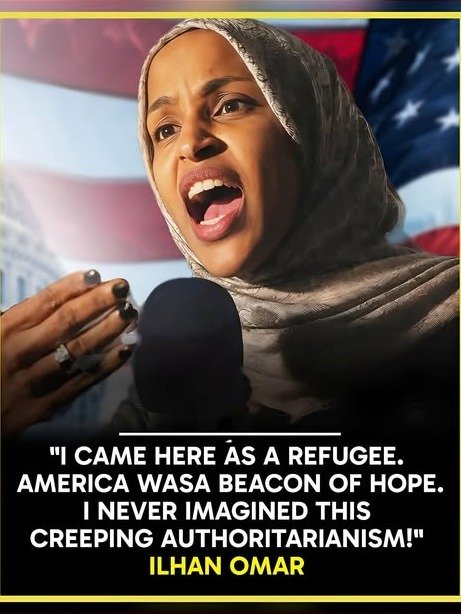
Imagine a world where every choice is dictated, or conversely, a world with no rules at all. Neither scenario sounds appealing, yet the tension between these two extremes – freedom and governance – is the invisible force shaping every aspect of our lives. It’s a debate as old as civilization itself, and it’s raging louder than ever in our modern world.
This isn’t just an abstract philosophical discussion; it’s a living, breathing conflict that impacts your daily liberties, your economic opportunities, and the very structure of your society. From the laws that govern your online privacy to the policies that dictate public health, the balance struck between individual freedom and collective governance determines the quality of your existence. Understanding this dynamic isn’t just important; it’s absolutely crucial for anyone who cares about the future.
The Eternal Dance: Defining Freedom and Governance
At its core, freedom often refers to the power or right to act, speak, or think as one wants without hindrance or restraint. It’s the capacity to choose one’s own path, to express one’s beliefs, and to pursue one’s aspirations without undue interference. This idea is deeply embedded in the human spirit, a fundamental yearning for autonomy and self-determination.
However, pure, unbridled freedom can quickly descend into chaos. This is where governance steps in. Governance encompasses the systems, structures, and processes by which societies are managed and regulated. It’s about establishing rules, enforcing laws, providing public services, and ensuring a degree of order and stability necessary for collective well-being.
The inherent tension lies in their objectives: freedom champions individual liberty, while governance prioritizes collective order and safety. How much individual liberty can a society tolerate before it fractures? How much control can a government exert before it stifles innovation, creativity, and the very spirit of its people? This delicate equilibrium is the heart of the public debate.
A Historical Perspective: Echoes Through Time
The conversation about freedom and governance is far from new. Ancient philosophers pondered the ideal state, while Enlightenment thinkers like John Locke and Jean-Jacques Rousseau laid the groundwork for modern political thought, introducing concepts like natural rights and the social contract.
“Man is born free, and everywhere he is in chains,” famously declared Rousseau, encapsulating the perpetual struggle between innate liberty and societal constraints.
Throughout history, this debate has fueled revolutions, shaped constitutions, and defined the rise and fall of empires. From the Magna Carta to the American Declaration of Independence, humanity has consistently grappled with how to empower individuals while maintaining a functional society. Each era brings new challenges, forcing a re-evaluation of where this critical line should be drawn.
The Pillars of Freedom: What’s at Stake?
When we talk about freedom, we’re not just discussing a single concept. It’s a multifaceted diamond with many gleaming facets, each vital to a thriving society. These include:
- Freedom of Speech: The right to express opinions and ideas without fear of government retaliation or censorship.
- Freedom of Assembly: The right to gather peacefully and collectively express, promote, pursue, and defend common interests.
- Economic Freedom: The ability of individuals to make their own economic decisions, own property, and engage in voluntary exchange.
- Personal Freedom: The right to make decisions about one’s own body, lifestyle, and private life.
These freedoms are often seen as the bedrock of liberal democracies, essential for innovation, accountability, and individual fulfillment. Without them, societies risk stagnation, oppression, and a loss of human potential. Protecting these pillars is a constant, active endeavor that requires vigilance and robust public discourse.
The Imperatives of Governance: Why We Need Rules
While freedom is cherished, governance provides the essential framework that allows societies to function. Without effective governance, there would be no public safety, no infrastructure, no education systems, and no collective response to crises. Governments are tasked with:
- Maintaining Order and Security: Protecting citizens from both internal and external threats.
- Providing Public Goods: Building roads, schools, hospitals, and ensuring access to clean water and energy.
- Protecting the Vulnerable: Establishing social safety nets and regulating markets to prevent exploitation.
- Resolving Disputes: Creating legal systems and institutions to fairly arbitrate conflicts.
The challenge, therefore, is not to eliminate governance but to ensure it is just, efficient, and respects fundamental freedoms. It’s about finding the sweet spot where government intervention is necessary and beneficial without becoming overbearing or tyrannical.
The Battlefield of Ideas: The Essence of Public Debate
Given the inherent tension between freedom and governance, public debate becomes the vital arena where these competing values are reconciled, or at least negotiated. It’s through open discussion, argument, and the exchange of ideas that societies test the boundaries of what is acceptable and what is necessary.
Public debate allows for the airing of diverse perspectives, challenging assumptions, and ultimately, shaping public policy. It ensures that decisions are not made in a vacuum but are subjected to scrutiny and the collective wisdom of the populace. Whether in town halls, parliamentary chambers, or online forums, this exchange is the lifeblood of a healthy democracy.
Without robust public debate, the balance can easily tip too far in one direction. Unchecked power can lead to authoritarianism, while unmanaged freedom can result in anarchy. The dynamic dialogue ensures that the pendulum swings within acceptable limits, constantly adjusting to new realities and societal needs.
Navigating the Modern Labyrinth: Challenges in the Digital Age
Today, the public debate on freedom and governance faces unprecedented challenges, largely amplified by the digital age. The internet, while a powerful tool for free expression, has also become a breeding ground for misinformation, echo chambers, and extreme polarization.
Concerns about digital surveillance and data privacy clash with calls for greater government oversight to combat cybercrime and terrorism. The global nature of digital platforms raises questions about national sovereignty and the reach of local laws. How do we protect free speech online without allowing it to be weaponized for hate or disinformation?
Furthermore, global issues like climate change, pandemics, and economic inequality demand collective action, often requiring individuals to cede certain freedoms for the greater good. This creates new ethical dilemmas and intensifies the debate over the appropriate scope and limits of governmental authority.
The Art of Constructive Dialogue: Beyond the Roar
For public debate to be truly effective, it must move beyond mere shouting matches and into the realm of constructive dialogue. This requires:
- Active Listening: Genuinely understanding opposing viewpoints, not just waiting for a chance to speak.
- Empathy: Recognizing the underlying concerns and motivations of those with differing opinions.
- Critical Thinking: Evaluating arguments based on evidence and logic, rather than emotion or tribal affiliation.
- Respectful Engagement: Attacking ideas, not individuals, and maintaining civility even in disagreement.
When debate devolves into personal attacks or unyielding ideological stances, society loses the opportunity to find common ground and innovate solutions. The goal isn’t always to win, but to understand, and through understanding, to forge a path forward that benefits the many.
Shaping Our Shared Future: Your Role in the Conversation
The public debate on freedom and governance is not a spectator sport. It is an ongoing, dynamic process that requires active participation from every citizen. Your voice, your informed opinions, and your engagement are crucial in shaping the trajectory of your society.
Whether through voting, advocating for causes, participating in local government, or simply engaging in thoughtful conversations with friends and family, you have the power to influence this vital balance. Ignoring the debate means allowing others to make critical decisions that will inevitably impact your life and the lives of future generations.
The Unending Quest for Balance
Ultimately, the tension between freedom and governance is a permanent feature of human society. There is no perfect, static solution, only a continuous quest for balance. This balance must be constantly re-evaluated, re-negotiated, and re-affirmed through vigorous, respectful, and informed public debate.
By understanding the historical context, recognizing the stakes, and committing to constructive dialogue, we can collectively strive to build societies that maximize individual liberty while ensuring the order and stability necessary for all to thrive. Your future, and the future of generations to come, depends on how we engage with this fundamental, unending discussion.
About the Author




