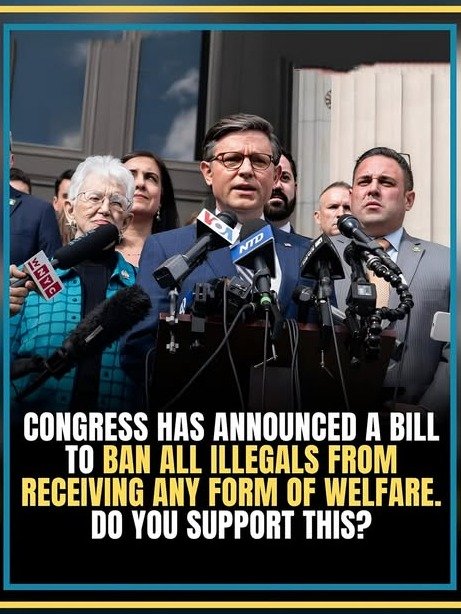
A simmering debate is reaching a boiling point across America, touching on the very fabric of fairness, citizenship, and who truly deserves a helping hand. Many citizens are raising significant questions about the allocation of public assistance programs, particularly when comparing the support available to undocumented immigrants versus the aid accessible to struggling American families.
This isn’t just a political talking point; it’s a deeply emotional issue that resonates with millions of taxpayers who work hard, contribute to the system, and yet often find themselves navigating a complex bureaucracy for essential support. The perception that some groups may receive preferential treatment fuels frustration and a sense of injustice among those who feel overlooked in their own country.
Unpacking the Core Controversy: Fairness and Funds
At the heart of the controversy lies a fundamental question of equity. Many concerned citizens express bewilderment and anger when they perceive that public funds, derived from their hard-earned taxes, might be more readily available to individuals who have not legally established residency or contributed to the tax base in the same manner as citizens.
This concern isn’t about denying basic human dignity, but rather about the perceived fairness of resource distribution in a nation grappling with its own internal challenges. It sparks a vigorous debate about who the social safety net was originally designed to protect and serve.
Understanding Public Assistance: A Brief Overview
Public assistance programs encompass a wide array of support mechanisms designed to help individuals and families meet basic needs. These can include nutritional support like SNAP (Supplemental Nutrition Assistance Program), healthcare through Medicaid, housing assistance, temporary cash aid, and various forms of emergency relief.
These vital programs are funded primarily through federal and state taxes, making their allocation a matter of significant public interest and scrutiny. The rules governing eligibility are often complex, varying greatly depending on the program, state, and the applicant’s legal status.
Eligibility Rules: A Complex Web of Legal Status
The eligibility criteria for public assistance are far from simple, often creating confusion and misunderstanding. Generally, U.S. citizens and qualified non-citizens (such as legal permanent residents or refugees) are eligible for most federal public assistance programs, provided they meet income and other program-specific requirements.
However, the situation becomes significantly more nuanced for undocumented immigrants. Federal law, specifically the Personal Responsibility and Work Opportunity Act (PRWORA) of 1996, largely bars undocumented immigrants from receiving most federal means-tested public benefits.
What Aid Do Undocumented Immigrants Actually Receive?
Despite common misconceptions, undocumented immigrants are generally ineligible for federal programs like SNAP, TANF (Temporary Assistance for Needy Families), and non-emergency Medicaid. However, there are critical exceptions, often driven by humanitarian concerns or public health mandates.
- Emergency Medical Care: Federal law mandates that hospitals provide emergency medical treatment regardless of a patient’s immigration status, often reimbursed through emergency Medicaid. This is a crucial, life-saving provision.
- K-12 Education: Undocumented children have a constitutional right to attend public elementary and secondary schools, as established by the Supreme Court in Plyler v. Doe (1982).
- Emergency Disaster Relief: In times of natural disaster, certain forms of immediate, short-term emergency aid may be available to all residents, regardless of status, to ensure public safety and mitigate crises.
- WIC (Women, Infants, and Children): Undocumented immigrants can receive WIC benefits if they meet eligibility requirements, as this program is focused on nutrition for vulnerable mothers and young children.
- State and Local Programs: Some states and localities have chosen to provide limited assistance to undocumented immigrants using their own funds, particularly in areas like healthcare or food assistance, reflecting local priorities and demographics.
It’s important to differentiate between federal mandates and state-level decisions, which often contribute to the perceived disparities and fuel local debates.
The Plight of Struggling American Families
While the focus is often on who *shouldn’t* receive aid, it’s crucial to acknowledge the persistent struggles faced by millions of American citizens and legal residents. Many families, despite working multiple jobs or facing unforeseen circumstances like illness or job loss, find themselves in desperate need of assistance.
The application processes for public aid can be notoriously complex, bureaucratic, and demeaning. Long waiting lists, stringent eligibility criteria, and the stigma associated with receiving welfare often deter eligible families from applying or accessing the full range of benefits they desperately need.
About the Author




