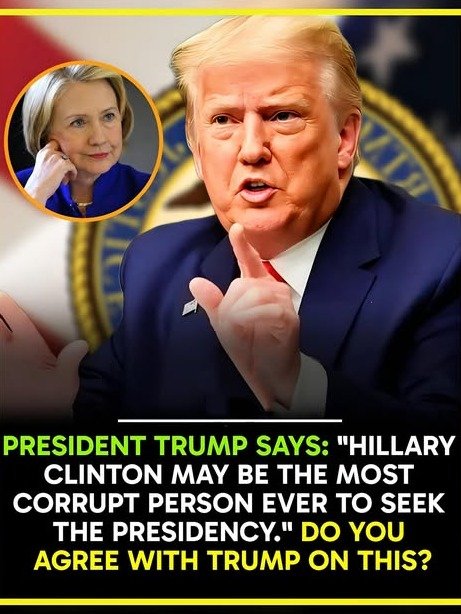
Are you tired of hearing about the same old political battles? What if we told you that one of the most enduring rivalries in modern American politics continues to dominate headlines, years after its peak? It’s a debate that just won’t fade, and its persistence reveals a fascinating, sometimes frustrating, truth about our political landscape.
Donald Trump’s ongoing criticism of Hillary Clinton isn’t just a relic of the past; it’s a living, breathing narrative that continues to shape public discourse and influence political strategy. This isn’t just about two individuals; it’s about the very fabric of partisan division and the tactics used to maintain a loyal base. Prepare to uncover the deeper reasons behind this never-ending political drama.
A Rivalry For The Ages: The Genesis of a Political Obsession
The animosity between Donald Trump and Hillary Clinton is, by now, legendary. It exploded onto the national stage during the tumultuous 2016 presidential election, a campaign marked by unprecedented personal attacks and stark ideological divides. Their debates became must-watch television, not just for policy discussions, but for the raw, unvarnished clashes that captivated millions.
Long before their direct confrontation, both figures had already carved out significant, albeit different, paths in American public life. Clinton, a former First Lady, Senator from New York, and Secretary of State, embodied the Democratic establishment. Trump, a real estate mogul and reality TV star, positioned himself as the ultimate political outsider, a disruptor ready to dismantle the status quo.
Their 2016 contest wasn’t merely a battle for the presidency; it was a culture war, a clash of personas and ideologies that left deep scars on the American psyche. Trump’s rallies were filled with chants of “Lock Her Up,” a rallying cry against Clinton that symbolized a broader rejection of the political elite. This sentiment, once ignited, proved incredibly difficult to extinguish.
The Echo Chamber of Criticism: Why Trump Keeps the Flame Alive
Even years after the 2016 election, Donald Trump consistently invokes Hillary Clinton’s name in his speeches, interviews, and social media posts. This isn’t a casual mention; it’s a deliberate and strategic effort to keep a perceived antagonist in the public eye, serving multiple purposes for his political agenda.
For many of Trump’s supporters, Hillary Clinton remains a potent symbol of everything they oppose. She represents the liberal establishment, policies they disdain, and a political system they believe is rigged. By continually highlighting her, Trump reinforces his image as the fighter who stands against these forces, a champion for his base.
“The ongoing criticism of Hillary Clinton serves as a powerful reminder to Trump’s base of a shared enemy, solidifying their loyalty and galvanizing them against perceived threats.” – Political Analyst, Dr. Eleanor Vance.
This tactic is a masterclass in political communication. It allows Trump to deflect attention from current controversies, rally his base with a familiar narrative, and frame himself as the perennial underdog fighting against entrenched powers. The ‘Hillary’ card is a reliable one, always eliciting a strong reaction from his audience.
Strategic Motivations: Why The Past Stays Present
The continued focus on Hillary Clinton by Donald Trump is far from random; it’s a calculated strategy rooted in several key political motivations. Firstly, it’s a powerful tool for base mobilization. By reminding his supporters of their shared opposition to Clinton, Trump re-energizes their commitment and reinforces their collective identity.
Secondly, it serves as a deflection mechanism. When facing criticism or scrutiny over his own actions or policies, pivoting to a familiar foe like Hillary Clinton can effectively shift the media narrative. It creates a new talking point, drawing attention away from potentially damaging stories and towards a well-worn, and often more exciting, political battle.
- Base Mobilization: Re-energizing supporters with a common adversary.
- Deflection: Shifting focus from current controversies.
- Narrative Control: Shaping the public’s understanding of political battles.
- Maintaining Relevance: Keeping himself and his past victories in the spotlight.
Moreover, for Trump, the 2016 victory over Clinton was a defining moment, a triumph against overwhelming odds in the eyes of his supporters. By constantly revisiting this narrative, he not only celebrates his past success but also reminds his base of his ability to overcome powerful opponents, feeding into his image as a political giant killer.
Hillary Clinton’s Enduring Presence: Beyond the Attacks
While Donald Trump actively keeps Hillary Clinton in the conversation, her own actions and continued public presence also contribute to her enduring relevance. Despite not holding public office, Clinton remains a prominent voice in Democratic politics, a best-selling author, and an active participant in global affairs.
She frequently speaks on political issues, engages in advocacy, and offers commentary on current events, often directly or indirectly addressing the very criticisms leveled against her. Her supporters view her as a resilient figure, a trailblazer who continues to fight for progressive causes, even in retirement from electoral politics.
This means that even when Trump brings her up, it’s not always an attack on a ghost. Clinton’s continued public life provides a degree of contemporary context for the criticism, even if the underlying grievances often date back years. Her public statements sometimes offer a fresh opportunity for Trump to react and reignite the debate.
Fueling The Political Divide: The Impact on Polarization
The ongoing Trump-Clinton debate does more than just fill airtime; it significantly contributes to the deep political polarization that defines modern American society. By constantly re-litigating past grievances and demonizing political opponents, it reinforces the ‘us vs. them’ mentality that makes compromise and civil discourse incredibly difficult.
For supporters on both sides, this sustained animosity hardens existing views and deepens distrust of the opposing party. It creates an environment where nuance is lost, and political figures are often reduced to caricatures, making it harder for people to find common ground or even understand differing perspectives.
This dynamic is particularly concerning because it perpetuates a cycle of negativity. Instead of focusing on new solutions or forward-looking policies, a significant portion of the political conversation remains mired in old conflicts, preventing progress and exacerbating societal divisions. The echo chamber grows louder, and the divide widens.
Media’s Amplifying Role: A Self-Perpetuating Cycle
It’s impossible to discuss the longevity of this political debate without acknowledging the media’s crucial role. News outlets, both traditional and digital, often find themselves drawn to the dramatic and conflict-driven narratives that Donald Trump’s criticisms of Hillary Clinton inevitably generate. Controversy sells, and this particular feud delivers it consistently.
Every time Trump mentions Clinton, it becomes a news story. Every time Clinton or her allies respond, it fuels another round of headlines and commentary. This creates a self-perpetuating cycle where the media reports on the debate, which in turn gives the debate more oxygen, prompting further engagement from the political figures involved.
While media outlets have a responsibility to report on significant political statements, the sheer volume and repetitive nature of this particular narrative can sometimes overshadow other important issues. It highlights how certain figures and their long-standing conflicts can dominate the news cycle, influencing what the public pays attention to.
Beyond The Headlines: What It Means For Voters
For the average voter, the continuous rehashing of the Trump-Clinton rivalry can be both exhausting and frustrating. It can lead to cynicism about the political process, a feeling that politicians are more interested in scoring points against old foes than addressing pressing contemporary issues. Many yearn for a focus on future challenges rather than past battles.
However, for a significant segment of the electorate, particularly Trump’s base, these criticisms serve as a vital reminder of their shared values and grievances. It reinforces their belief that the political establishment, represented by figures like Clinton, is a formidable adversary that only Trump can effectively challenge.
Understanding this dynamic is crucial for anyone trying to make sense of American politics. It’s not just noise; it’s a strategic element designed to influence voter perception, maintain loyalty, and shape the broader political narrative. Whether you agree with it or not, its impact on political discourse is undeniable and far-reaching.
The Unending Saga? What Lies Ahead
Will the ongoing political debate between Donald Trump and Hillary Clinton ever truly end? Given the deep-seated nature of their rivalry and its utility for political mobilization, it seems unlikely to fade completely anytime soon. Both figures remain prominent, and their past interactions continue to hold significant symbolic weight for their respective bases.
As long as Trump remains a force in Republican politics, and as long as Hillary Clinton remains an influential voice on the Democratic side, their names will likely be intertwined in the ongoing American political drama. Their conflict has become more than just a personal feud; it’s a foundational narrative in the story of modern political polarization.
Ultimately, the persistence of this debate reminds us that in politics, the past is never truly past. Old wounds, perceived injustices, and strategic rivalries can continue to shape the present and influence the future, keeping the public conversation locked in a cycle that demands our attention, whether we want to give it or not.
About the Author




