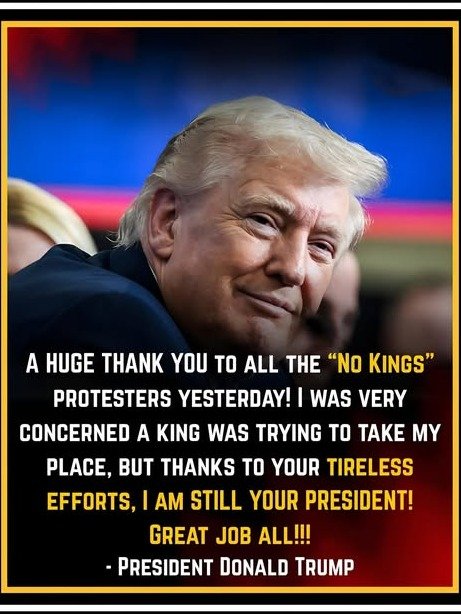
Imagine a world where the old structures of power are crumbling, where citizens are no longer content with the status quo, and a resounding cry for change echoes across continents. This isn’t a dystopian novel; it’s the reality unfolding through the recent surge of ‘No Kings’ protests. These movements are sparking intense debate, forcing us to confront uncomfortable truths about authority, governance, and the very fabric of our societies.
Are these just fleeting outbursts of anger, or do they signal a seismic shift in global power dynamics? The question isn’t just academic; it’s personal. Understanding the message behind these protests and their deep connection to broader political tensions is crucial, because their implications could reshape your world, your rights, and your future.
What Exactly Are ‘No Kings’ Protests?
At first glance, the phrase ‘No Kings’ might seem anachronistic, evoking images of historical revolts against literal monarchs. However, in its modern context, the slogan has evolved into a powerful metaphor. It’s a rejection of any perceived absolute or unchecked authority, whether it manifests in a tyrannical leader, a corrupt political system, or an entrenched economic elite.
These protests are not necessarily calling for the overthrow of constitutional monarchies, where they still exist, but rather a profound challenge to any form of governance that operates without accountability, transparency, or genuine representation of its people. It’s a call to dismantle the ‘kingly’ power structures that citizens feel are oppressive, unresponsive, or unjust.
The movement often encapsulates a diverse range of grievances, from economic inequality and social injustice to governmental overreach and the erosion of democratic principles. It’s a symbolic declaration that no individual or institution should hold power above the will and well-being of the populace.
The Deep-Seated Message: Beyond the Slogan
Beneath the catchy, provocative slogan lies a complex tapestry of demands and frustrations. The core message is a powerful assertion of popular sovereignty: the idea that ultimate political authority rests with the people. Protesters are demanding a return to foundational democratic ideals, where leaders are servants of the public, not masters.
They are advocating for a world where accountability is non-negotiable, where corruption is aggressively prosecuted, and where the voices of ordinary citizens are not just heard, but acted upon. It’s a plea for genuine equity, challenging systems that perpetuate wealth disparity, systemic discrimination, and unequal access to justice.
“’No Kings’ is more than a protest chant; it’s a philosophical statement. It declares that no one is above the law, no one’s power is absolute, and every leader must answer to the people they govern. It’s a cry for true democracy in an age of growing autocracy.”
Essentially, the movement signifies a profound disillusionment with traditional political establishments and a fervent desire for a more equitable, just, and participatory society. It’s a rallying cry for empowerment against perceived authoritarian tendencies, regardless of their specific manifestation.
Why Now? The Perfect Storm of Discontent
The rise of ‘No Kings’ protests isn’t accidental; it’s the culmination of several converging global trends. Economic inequality has reached staggering levels in many nations, leaving vast segments of the population feeling left behind and exploited. The soaring cost of living, stagnant wages, and diminished opportunities fuel a deep-seated resentment against those perceived to hold unchecked power and wealth.
Simultaneously, trust in political institutions is at an all-time low. Scandals, corruption, and a perceived lack of transparency have eroded public confidence, leading many to believe that governments serve only a select few rather than the broader public interest. This erosion of trust creates fertile ground for anti-establishment sentiment.
Moreover, the digital age plays a pivotal role. Social media platforms enable rapid organization, widespread dissemination of information (and misinformation), and the amplification of grievances across borders. What might have once been isolated local protests can now quickly gain global momentum, connecting disparate groups under a common banner of discontent.
The Global Echo: Where ‘No Kings’ Resonates
While specific triggers vary, the sentiment behind ‘No Kings’ resonates across diverse geographical and political landscapes. From protests against perceived authoritarian crackdowns in established democracies to movements demanding economic justice in developing nations, the underlying theme is remarkably consistent: a rejection of unaccountable power.
We see this in movements challenging presidential term limits, in demonstrations against unchecked corporate influence, and in calls for greater social justice in countries grappling with racial or ethnic discrimination. The slogan provides a universal framework for expressing dissent against various forms of perceived oppression, uniting individuals who might otherwise feel isolated in their struggles.
The protests serve as a powerful reminder that while the ‘kings’ of old may have vanished, the desire for absolute power, and the public’s resistance to it, persists. This global echo signifies a widespread yearning for governance that is truly by the people, for the people, and accountable to the people.
Unpacking the Critics: Are These Protests Flawed?
Despite their growing prominence, ‘No Kings’ protests face significant criticism. Some argue that the slogan itself is too vague, failing to articulate clear, actionable demands. Critics suggest that while the anger is palpable, the lack of a unified agenda or identifiable leadership can hinder effective policy change, potentially leading to chaos rather than constructive reform.
There are concerns that such broad anti-establishment movements can be easily co-opted or manipulated, or that they might inadvertently pave the way for new forms of authoritarianism if the power vacuum is not filled constructively. Some analysts also question the practical implications of dismantling all ‘kingly’ power without offering viable alternatives for stable governance.
Furthermore, some critics worry about the potential for these protests to deepen societal polarization, creating an ‘us vs. them’ mentality that makes dialogue and compromise increasingly difficult. They argue that while dissent is vital, it must be channeled into structured political engagement to achieve lasting, positive outcomes.
The Defenders’ Stand: A Necessary Roar
Conversely, proponents of the ‘No Kings’ movement emphasize its crucial role in modern societies. They argue that the very vagueness of the slogan is its strength, allowing it to serve as a broad umbrella for diverse grievances and uniting disparate groups under a common banner of anti-authoritarianism. It’s a powerful symbolic act that forces public discourse.
Supporters see these protests as an essential safety valve for societal pressure, providing an outlet for frustrations that might otherwise boil over into more destructive forms of conflict. They contend that the movements are not necessarily about dismantling governance entirely, but about demanding a fundamental re-evaluation of how power is exercised and to whom it is truly accountable.
- Raising Awareness: These protests bring crucial issues to the forefront of public consciousness.
- Demanding Accountability: They pressure institutions and leaders to address corruption and injustice.
- Empowering Citizens: They give a voice to marginalized communities and foster a sense of collective power.
- Catalyst for Change: Historically, such movements have often been the precursor to significant social and political reforms.
For many, ‘No Kings’ represents a necessary challenge to the complacency of power, a vital assertion of democratic principles, and a collective roar against injustice that cannot be ignored.
From Slogans to Solutions: What Comes Next?
The ultimate impact of the ‘No Kings’ movement will depend on its ability to translate widespread discontent into concrete action and sustainable change. While raising awareness is a critical first step, the challenge lies in moving beyond protest to policy. This requires strategic planning, clear objectives, and the ability to engage with existing political structures, however flawed they may seem.
Potential outcomes could range from significant governmental reforms, such as anti-corruption legislation or electoral system changes, to a broader shift in public consciousness that redefines the relationship between citizens and their leaders. However, there’s also the risk of backlash, with authorities potentially responding with increased repression, or the movements simply fading without achieving their goals.
The longevity and success of ‘No Kings’ will likely hinge on whether it can evolve from a symbolic rejection of power into a coherent, organized force capable of proposing and implementing viable alternatives for a more just and equitable society. It’s a long and arduous path, but one that countless citizens are now willing to walk.
Your Role in a Shifting Landscape
Whether you agree with the tactics or specific demands of ‘No Kings’ protests, their emergence signifies a critical moment in global politics. These movements are not just headlines; they are reflections of deep-seated issues that affect everyone. Ignoring them is not an option, as their ripple effects will inevitably touch your life, your community, and your nation.
It’s imperative to engage critically with the information, understand the various perspectives, and reflect on what kind of governance and society you wish to live in. Your informed participation, whether through active protest, civic engagement, or simply thoughtful dialogue, contributes to shaping the future landscape.
The ‘No Kings’ movement challenges us all to consider the nature of power, accountability, and democracy in the 21st century. It’s a call to scrutinize who holds the reins, how they wield their authority, and whether that power truly serves the collective good. The debate continues, but one thing is clear: the conversation about who truly rules has only just begun.
About the Author




