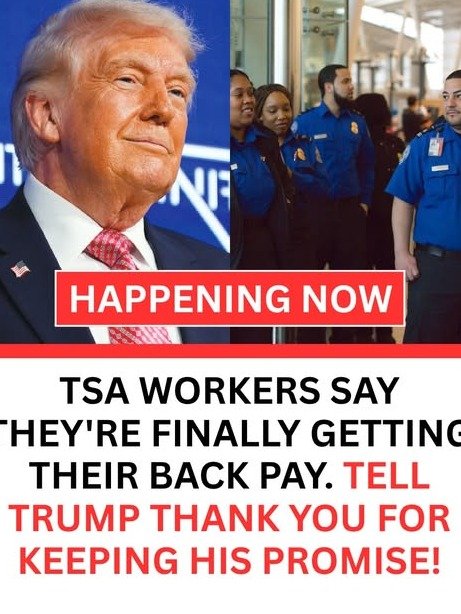
Imagine clocking into your critical national security role every single day, knowing full well your paycheck won’t be coming. For weeks, thousands of dedicated Transportation Security Administration (TSA) agents faced this grim reality, working tirelessly without compensation during a protracted government funding standoff.
The relief is now palpable, a collective sigh echoing through airports nationwide. After an agonizing period of financial uncertainty and emotional strain, TSA workers are finally confirming that their missed paychecks are being restored, with back pay flowing into their accounts. It’s a moment of profound relief, but also a stark reminder of the vulnerability of our essential workforce.
The Unseen Crisis at Our Airports
While millions of travelers passed through airport security checkpoints, largely unaware of the silent crisis unfolding, the men and women in blue uniforms were performing their duties under immense pressure. These dedicated public servants, deemed ‘essential’ by the government, were legally required to report to work, ensuring the safety of air travel, even as their own financial stability crumbled.
The previous weeks were a period of unprecedented stress. Families grappled with how to pay rent, afford groceries, and cover essential bills without a regular income. The emotional toll was immense, leaving many feeling undervalued and forgotten, despite their unwavering commitment to national security.
A Nation Held Hostage: The DHS Funding Standoff Explained
The root cause of this widespread hardship was a contentious funding standoff within the Department of Homeland Security (DHS), the parent agency of the TSA. This political impasse led to a partial government shutdown, impacting several federal agencies and, most notably, thousands of federal employees.
The shutdown, which stretched for multiple weeks, revolved around disagreements over border security funding. As negotiations stalled in Washington D.C., the real-world consequences rippled across the nation, directly affecting the livelihoods of those who serve on the front lines, like our brave TSA agents.
Working Without Pay: The Human Cost
For TSA officers, the mandate to work without pay wasn’t just an inconvenience; it was a devastating blow. Many officers operate on tight budgets, living paycheck to paycheck. The sudden cessation of income meant immediate and severe financial hardship for them and their families.
“It’s been a nightmare,” shared one anonymous TSA officer from a major hub. “My rent was due, my kids needed school supplies, and I had no idea when I’d see a dime. Every day I came to work, I wondered how I was going to make it.”
This sentiment was echoed by countless others. Stories emerged of officers taking on second jobs, relying on food banks, and even considering selling personal belongings just to stay afloat. The irony was not lost on them: they were protecting the nation’s transportation system while struggling to transport themselves to work.
Beyond the Paycheck: Impact on Morale and Security Concerns
The prolonged uncertainty didn’t just affect bank accounts; it severely impacted morale. How can one maintain peak performance and vigilance when their mind is consumed by financial worries? While TSA officials affirmed that security was never compromised, concerns were raised about the potential for burnout and increased stress among the workforce.
- Mental Health Strain: The constant worry about finances took a significant toll on the mental well-being of officers.
- Operational Strain: While sick calls remained manageable, there was an underlying fear that prolonged unpaid work could lead to staffing challenges.
- Public Perception: The situation cast a spotlight on the dedication of federal employees, prompting widespread public support and calls for a swift resolution.
These dedicated individuals continued to screen passengers, manage lines, and detect potential threats, all while their personal lives were in turmoil. Their professionalism under such duress is a testament to their commitment to public service.
The Turning Point: How the Standoff Ended
The deadlock finally broke after intense negotiations and growing public pressure. A temporary funding measure was passed, allowing the government to reopen and, crucially, authorizing back pay for all affected federal employees, including TSA agents.
While the resolution brought immense relief, it also highlighted the precarious position of federal workers caught in political disputes. The agreement, though temporary, provided a much-needed lifeline and a promise that their service would not go unrewarded in the long term.
The Sweet Relief: Back Pay Finally Arrives
The moment of confirmation that back pay was being disbursed was met with an outpouring of emotion. Messages circulated among TSA ranks, confirming direct deposits and the end of weeks of financial anxiety. For many, it meant finally being able to catch up on overdue bills, replenish dwindling savings, and simply breathe a little easier.
This restoration of paychecks isn’t just about money; it’s about dignity and recognition. It validates the tireless work these officers performed under impossible circumstances and acknowledges their crucial role in keeping the nation safe. The relief is not just financial, but psychological, allowing them to refocus on their vital duties with renewed peace of mind.
Lessons Learned: Protecting Our Essential Workforce
The DHS funding standoff served as a powerful, albeit painful, lesson about the ripple effects of political gridlock. It underscored the critical importance of stable government funding and the need to protect essential workers from becoming pawns in political battles.
Moving forward, there’s a renewed conversation about mechanisms to safeguard federal employees during future shutdowns, perhaps through guaranteed back pay legislation or dedicated emergency funds. The public’s empathy and support for these workers during the crisis also reinforced the value society places on their contributions.
The experience of the TSA workers during this standoff will undoubtedly shape future policy discussions. It’s a reminder that behind every uniform is a person with a family, bills, and a life that deserves stability and respect.
As TSA workers now begin to recover financially and emotionally, their resilience shines through. They continued to protect our skies, even when their own ground felt unstable. Their story is one of dedication, sacrifice, and the ultimate triumph of perseverance in the face of extraordinary challenges.
About the Author




