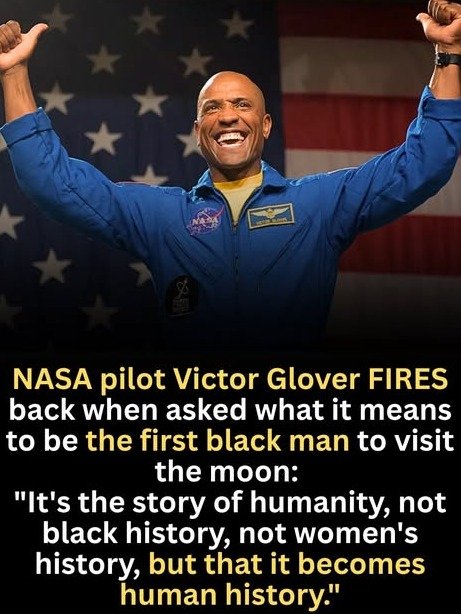
Imagine a spirit so incandescent, so utterly ‘on fire,’ that it propelled humanity beyond Earth’s confines and onto the sterile, silent surface of another world. Fifty-four years ago, we did exactly that. We sent a man to the moon, and not just any man, but a quiet pioneer whose courage and resolve truly burned brighter than any star.
That extraordinary individual, of course, was Neil Armstrong. His name is synonymous with humanity’s greatest exploratory triumph, a moment etched forever into the annals of history. The sheer audacity and brilliance required to achieve such a feat demand our continued admiration.
The Giant Leap: A Dream Ignited
The space race of the 20th century was more than just a competition; it was a crucible of innovation, a testament to human will. Nations poured immense resources into rocketry and space travel, driven by both Cold War rivalries and an innate desire to push the boundaries of the known universe. It was an era of unprecedented scientific and engineering ambition.
From the first orbital flight of Yuri Gagarin to the ambitious Apollo program, each mission built upon the last, inching closer to the ultimate goal: a human footprint on the moon. The stakes were incredibly high, the technology was nascent, and the risks were immense. Yet, the dream persisted, fueled by a collective longing to touch the stars.
Who Was This Extraordinary Man?
Neil Armstrong was not a flamboyant figure; he was a man of quiet intensity, immense intellect, and unparalleled piloting skills. Born in Ohio in 1930, his fascination with aviation began early, leading him to become a naval aviator, test pilot, and eventually, one of NASA’s most revered astronauts. His calm demeanor under pressure was legendary.
He possessed a unique blend of technical prowess and an almost philosophical understanding of the mission’s gravity. When asked about his feelings before the moon landing, he famously replied with understated confidence, embodying the spirit of a true explorer. This wasn’t just a job; it was a calling.
Beyond the Horizon: The Apollo 11 Mission
The Apollo 11 mission, launched on July 16, 1969, carried Armstrong, Buzz Aldrin, and Michael Collins on an epic journey. Millions across the globe held their breath as the lunar module, ‘Eagle,’ descended towards the Sea of Tranquility. The landing itself was fraught with tension, with Armstrong manually guiding the craft past a boulder field to a safe touchdown with mere seconds of fuel remaining.
Then came the moment that reverberated across the planet:
“That’s one small step for man, one giant leap for mankind.”
Armstrong’s words, spoken from a quarter-million miles away, captured the profound significance of humanity’s first steps on another celestial body. It was a moment of universal triumph, uniting people in awe and wonder.
The Qualities of a Lunar Pioneer
What made Armstrong, and indeed all the Apollo astronauts, so uniquely suited for such an endeavor? It was a combination of extraordinary qualities:
- Unwavering Courage: Facing the unknown, hurtling through space in a tiny capsule, required a level of bravery few can comprehend.
- Exceptional Skill: Years of rigorous training, test piloting, and scientific study honed their abilities to perfection.
- Composure Under Pressure: In the face of critical system failures or unexpected obstacles, their ability to remain calm and problem-solve was paramount.
- Humility: Despite achieving worldwide fame, Armstrong remained grounded, often deflecting praise and emphasizing the team effort behind the mission.
These were not just pilots; they were engineers, scientists, and philosophers, pushing the boundaries of what was thought possible. Their dedication was absolute, their commitment to the mission unwavering, embodying the very best of human potential.
The Unseen Challenges and Triumphs
Behind the iconic images lay countless challenges. The Apollo program was a monumental undertaking, requiring the coordination of over 400,000 people and unimaginable technological innovation. From designing heat shields to developing guidance systems, every component was a pioneering effort.
There were near-disasters and constant setbacks, but through sheer ingenuity and perseverance, each obstacle was overcome. The successful return of Apollo 11 was not just a testament to the three astronauts, but to the collective brilliance of an entire nation working towards a singular, audacious goal. It was a triumph of human endeavor on an unprecedented scale.
A Legacy That Still Burns Bright
The moon landing wasn’t just a fleeting moment of glory; it had a profound and lasting impact on humanity. It ignited a passion for science and technology in generations of children, inspiring countless engineers, scientists, and astronauts. It demonstrated that with enough will and collaboration, no challenge is too great.
Beyond the scientific advancements, the moon landing offered a unique perspective on our own planet. The iconic “Earthrise” photograph, taken by Apollo 8, showed Earth as a fragile, blue marble in the vastness of space, fostering a new sense of global unity and environmental awareness. It was a moment that transcended politics and culture, reminding us of our shared home.
Why We Still Look Up: The Future of Space Exploration
Today, as we look towards returning to the moon with the Artemis program and eventually sending humans to Mars, Armstrong’s legacy is more relevant than ever. His pioneering spirit reminds us that exploration is not just about conquering new frontiers; it’s about expanding our understanding of ourselves and our place in the cosmos. The spirit he embodied is exactly what we need for future endeavors.
We continue to send extraordinary individuals into space, men and women who possess that same ‘on fire’ spirit—the courage, intellect, and dedication to push boundaries. They stand on the shoulders of giants like Armstrong, carrying forward the torch of discovery into a new era of space exploration. The journey continues, inspired by that first giant leap.
So, yes, I am incredibly glad we sent a guy like Neil Armstrong to the moon. His legacy isn’t just a historical footnote; it’s a living inspiration, a reminder that humanity’s greatest achievements often stem from the quiet determination of individuals who dare to dream beyond the horizon. His fiery spirit continues to illuminate our path forward, reminding us that the sky is not the limit, but merely the beginning.
What an incredible chapter in human history, one that continues to inspire awe and wonder. Truly, a man on fire, lighting up the cosmos for all of us.
About the Author




