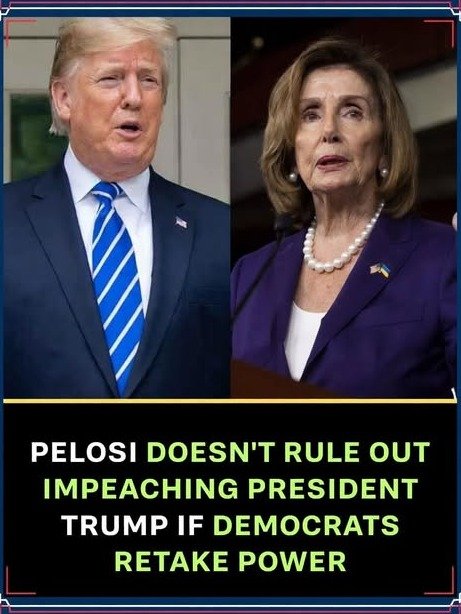
Have you ever wondered what truly happens behind the closed doors of an impeachment debate, and why these moments ignite such fierce political tensions across a nation? It’s more than just a legal process; it’s a constitutional crisis, a political spectacle, and a profound test of a country’s democratic foundations. Prepare to uncover the deeper layers of this often-misunderstood event that shapes our political landscape.
When the word ‘impeachment’ echoes through the halls of power, it sends shivers down spines and sparks heated arguments in every corner of society. This isn’t just about politicians; it’s about the very fabric of our governance, the checks and balances designed to protect us, and the future trajectory of our democracy. Understanding this complex process is crucial, especially in an era where political divides seem deeper than ever.
Unpacking the Impeachment Process: More Than Just a Vote
At its core, impeachment is a constitutional mechanism designed to hold high-ranking government officials, including the President, accountable for serious misconduct. It’s not a conviction or removal from office itself, but rather a formal accusation, akin to an indictment in a criminal court, brought by the legislative branch against an executive or judicial official. This crucial distinction is often lost in the heat of political rhetoric.
The journey begins in the House of Representatives, where any member can initiate an impeachment inquiry. This often involves extensive investigations, committee hearings, and the gathering of evidence to determine if grounds for impeachment exist. If the House votes to approve articles of impeachment by a simple majority, the official is then ‘impeached.’ This means they have been formally accused, but not yet removed from their position.
The Long Shadow of History: Presidents Who Faced Impeachment
Once impeached by the House, the process shifts to the Senate, which then conducts a trial. Senators act as jurors, hearing evidence and arguments presented by House members, known as ‘managers,’ who act as prosecutors. For a conviction and subsequent removal from office, a two-thirds majority vote in the Senate is required – a very high bar that reflects the gravity and constitutional significance of such an action.
Historically, only a handful of U.S. Presidents have faced this ultimate constitutional challenge, highlighting its rarity and extreme nature. Andrew Johnson in 1868, Bill Clinton in 1998, and Donald Trump in both 2019 and 2021 were all impeached by the House. However, none were ultimately convicted by the Senate and removed from office, underscoring the immense political and legal hurdles involved in overturning a presidential election result through this mechanism.
- Andrew Johnson (1868): Impeached primarily for violating the Tenure of Office Act amidst bitter Reconstruction-era political battles following the Civil War. He was acquitted by a single vote in the Senate, narrowly escaping removal.
- Bill Clinton (1998): Articles of impeachment related to perjury and obstruction of justice stemming from a sexual harassment lawsuit and subsequent investigation into his conduct. He was acquitted by the Senate, with no conviction on either article.
- Donald Trump (2019 & 2021): Impeached first for abuse of power and obstruction of Congress regarding alleged pressure on Ukraine to investigate a political rival. His second impeachment came for incitement of insurrection following the January 6th Capitol attack. He was acquitted by the Senate in both trials.
“High Crimes and Misdemeanors”: The Vague Yet Powerful Standard
The U.S. Constitution specifies that an official can be impeached for “Treason, Bribery, or other high Crimes and Misdemeanors.” This last phrase, “high Crimes and Misdemeanors,” is deliberately broad and has been a source of intense debate and interpretation throughout history. It doesn’t necessarily refer only to statutory crimes, but rather to grave abuses of power or violations of public trust that undermine the government itself.
This inherent ambiguity allows for significant political interpretation, making impeachment a fundamentally political process as much as a legal one. What one party considers an impeachable offense, another might dismiss as a policy disagreement, a minor misstep, or even a politically motivated attack. This inherent subjectivity is a major driver of the profound political tensions that accompany every impeachment debate, turning legal arguments into political battlegrounds.
“The power of impeachment is a safety-valve, not a punitive measure. It is a protection for the people against governmental abuse, not a weapon for partisan warfare.” – This common sentiment reflects the ideal purpose versus the often-political reality of impeachment proceedings. The framers intended it as a last resort, not a routine political maneuver.
The Political Battleground: Why Impeachment Ignites Such Fury
Impeachment proceedings are never just about the facts or legal interpretations; they are deeply intertwined with partisan politics, public opinion, and the struggle for power. When an impeachment inquiry begins, it immediately polarizes the political landscape, drawing clear lines between supporters and detractors of the accused official. This can exacerbate existing societal divisions and make rational, bipartisan discourse incredibly difficult, if not impossible.
The media plays a significant role in shaping public perception, with different outlets often presenting narratives that align with their audience’s political leanings. This creates an echo chamber effect, where citizens are exposed primarily to information that confirms their existing biases, further fueling the political tensions and making consensus almost impossible to achieve. The stakes are incredibly high, not just for the individual being impeached, but for the legitimacy of political institutions themselves, and the trust citizens place in their government.
These debates become a proxy war for broader ideological conflicts, where each side sees the process as an existential threat or a vital defense of democratic principles. The emotional intensity is palpable, as supporters rally around their leader and opponents demand accountability, often viewing the other side as undermining the very foundations of the republic. This emotional investment further complicates any attempt at impartial judgment.
Beyond the Headlines: The Lasting Impact on a Nation
The repercussions of an impeachment debate extend far beyond the immediate political wrangling and the fate of the accused official. Such events can profoundly impact public trust in government, the perceived fairness of the justice system, and the overall stability of democratic institutions. A nation deeply divided by impeachment can struggle to address other pressing issues, as political capital and public attention are consumed by the proceedings, diverting focus from critical national challenges.
Moreover, impeachment debates can set powerful precedents for future political conduct and constitutional interpretation. Each instance adds to the historical record, shaping how future generations understand the balance of power, the limits of executive authority, and the boundaries of acceptable political behavior. The long-term effects on political culture, civic trust, and even a nation’s international standing are often underestimated, leaving a legacy that can last for decades.
The scars left by an impeachment process can be deep, contributing to a sense of political cynicism or disillusionment among the populace. Restoring faith in institutions and fostering a spirit of national unity after such a divisive period requires significant effort and leadership, often a challenge in an already fragmented political environment. It tests the resilience of a nation’s democratic spirit.
Navigating the Storm: How Citizens Can Understand the Debate
In an environment saturated with partisan rhetoric, conflicting information, and emotionally charged narratives, it is more critical than ever for citizens to engage with impeachment debates thoughtfully and critically. This means actively seeking out diverse sources of information, understanding the procedural nuances, and distinguishing between legal arguments, factual claims, and purely political posturing.
Rather than simply accepting narratives presented by a single party or media outlet, consider the historical context, the constitutional principles at play, and the potential implications for the nation’s future. Engaging with these complex issues requires a commitment to informed citizenship, a willingness to challenge one’s own biases, and a recognition of the profound responsibility that comes with participating in a democracy. The future of political discourse, and indeed the nation, hinges on our collective ability to navigate these turbulent waters with clarity and wisdom, demanding accountability while upholding constitutional integrity.
About the Author




