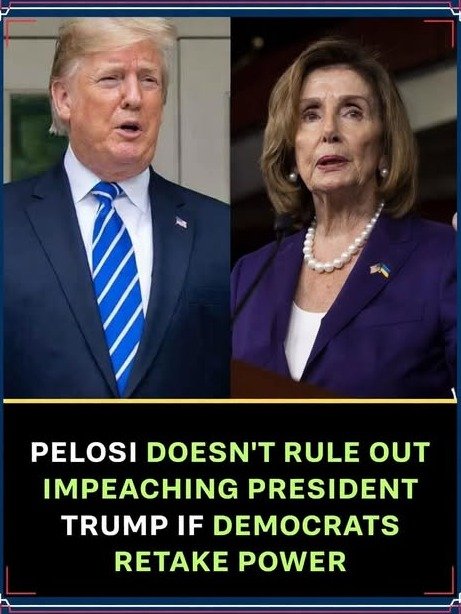
What happens when the highest office in the land faces its ultimate test, and the battle lines are drawn not just in legislative halls, but across every dinner table and social media feed? Few political events ignite as much fervor, division, and anxiety as an impeachment debate. It’s more than just a legal process; it’s a constitutional firestorm that reveals the deepest fissures within a nation’s political landscape.
You might think impeachment is a rare, almost mythical event, but its echoes reverberate through history, consistently exposing the raw nerves of political tension. Understanding these moments isn’t just about historical curiosity; it’s about grasping the forces shaping our present and defining the trajectory of our future. Ignoring these seismic shifts means missing crucial insights into the stability and direction of our own societies.
Unpacking the Impeachment Phenomenon: More Than a Legal Battle
At its core, impeachment is a constitutional mechanism designed to hold high-ranking officials accountable for serious abuses of power. In the United States, for instance, the Constitution outlines grounds for impeachment as “Treason, Bribery, or other high Crimes and Misdemeanors.” This phrase, deliberately broad, often becomes the epicenter of intense legal and political debate, as different factions interpret its meaning to suit their agendas.
It’s crucial to understand that impeachment is fundamentally a political process, not solely a judicial one. While legal arguments and evidence are presented, the final decision rests with elected representatives, whose votes are invariably influenced by partisan loyalties, public opinion, and their own political survival. This inherent political nature is precisely what amplifies the tensions surrounding every impeachment proceeding.
A Walk Through History: When Nations Faced Their Constitutional Reckoning
The United States provides potent examples of how impeachment debates have historically inflamed political tensions. Andrew Johnson faced impeachment in 1868, a direct consequence of the bitter post-Civil War Reconstruction era. His trial was a spectacle of partisan animosity, ultimately failing to remove him but leaving a lasting scar on the presidency.
Richard Nixon’s impending impeachment in the 1970s, triggered by the Watergate scandal, brought the nation to the brink. The slow, agonizing drip of revelations and the growing public outcry created unprecedented political tension, culminating in his resignation before the House could vote on articles of impeachment. This period irrevocably altered public trust in government.
Decades later, Bill Clinton’s impeachment in the late 1990s, arising from allegations of perjury and obstruction of justice, reignited the partisan divide. The debate was less about the specific charges and more about the cultural and ideological chasm separating the two major parties, turning impeachment into a weapon in the ongoing political wars.
Most recently, Donald Trump faced impeachment twice, an unprecedented occurrence. Each instance plunged the nation into a maelstrom of political tension, exposing deep ideological rifts and intensifying the partisan divide. These events weren’t just about a president; they became referendums on the very soul of the nation and its democratic norms.
The Anatomy of Political Division: How Impeachment Unfolds
The impeachment process itself is designed to be a thorough, albeit often contentious, journey. It typically begins with investigations, often in the lower house of a legislature (like the House of Representatives in the U.S.), where evidence is gathered and hearings are held. This initial phase is often characterized by intense media scrutiny and public speculation.
If sufficient evidence is found, articles of impeachment are drafted and voted upon. A vote to impeach in the House sends the process to the upper house (e.g., the Senate), where a trial is conducted. During this trial, the impeached official defends themselves, and senators act as jurors. The outcome—conviction and removal from office—requires a supermajority vote, a high bar that underscores the gravity of such a decision.
Throughout this entire process, political tensions escalate dramatically. Each hearing, each witness testimony, and each vote becomes a flashpoint for partisan bickering. Media coverage often takes on a sensationalist tone, further polarizing public opinion and making it difficult for citizens to discern unbiased information. The very structure of the process, with its clear winners and losers, seems designed to amplify division.
Fueling the Fire: The Drivers Behind Exploding Political Tensions
Why do impeachment debates consistently throw fuel on the fire of political tensions? Several factors converge to create this volatile environment.
- Hyper-Partisanship: In many modern democracies, political parties have become increasingly entrenched and unwilling to compromise. Impeachment becomes a zero-sum game, where one party seeks to politically destroy the other, rather than a dispassionate pursuit of justice.
- Media Polarization: The rise of ideologically driven news outlets and social media echo chambers means that citizens often consume information that reinforces their existing biases. This makes constructive dialogue nearly impossible, as different groups operate with entirely different sets of “facts.”
- Erosion of Trust in Institutions: When institutions like the judiciary, the press, or even the legislative body itself are perceived as partisan actors, the foundation of democratic governance begins to crack. Impeachment debates often highlight and exacerbate this erosion of trust.
- Weaponization of Information: In the digital age, misinformation and disinformation can spread rapidly, often strategically deployed to manipulate public opinion and further partisan goals. This makes it incredibly challenging for the public to form informed opinions based on verifiable truths.
The Unseen Dangers: Why Impeachment Matters Beyond the Headlines
The impact of an impeachment debate extends far beyond the fate of the individual officeholder. These episodes leave deep and lasting scars on the body politic.
“Impeachment, by its very nature, is a test of a nation’s constitutional resilience and its commitment to the rule of law. But it also exposes the fragility of unity when partisan interests overshadow national cohesion.” – Political Analyst Dr. Evelyn Reed
One significant danger is the potential for governance paralysis. When legislative bodies are consumed by impeachment proceedings, vital policy work often grinds to a halt. This can lead to stagnation on critical issues, from economic policy to social reform, affecting the daily lives of millions of citizens.
Another profound consequence is the deepening of societal divisions. Impeachment debates often force citizens to take sides, hardening existing ideological boundaries and making it harder for people to find common ground. This can lead to increased social unrest, decreased civic engagement, and a general sense of disillusionment with the political process.
Furthermore, the repetitive use of impeachment, or the threat of it, can devalue the process itself. If impeachment becomes a routine tool for political retribution rather than a solemn constitutional check, it risks losing its power and legitimacy, potentially undermining the very system it was designed to protect.
Navigating the Storm: Strategies for a Divided Nation
In an era where political tensions are constantly simmering, especially around events like impeachment, what can citizens and leaders do to navigate the storm?
Firstly, foster civic literacy. Understanding the constitutional framework, the historical context, and the actual mechanics of governance can help individuals see beyond the sensational headlines and engage with issues more thoughtfully. Education is the first line of defense against manipulation.
Secondly, encourage respectful dialogue and critical thinking. Instead of retreating into echo chambers, actively seek out diverse perspectives and challenge your own assumptions. Engage in conversations with those who hold different views, not to convert them, but to understand their rationale. This builds empathy and can lower the temperature of public discourse.
Thirdly, support independent journalism and fact-checking initiatives. In an age of rampant misinformation, reliable sources of information are more crucial than ever. By actively seeking out and supporting media that prioritizes accuracy and balanced reporting, individuals can contribute to a more informed public sphere.
The Path Forward: Can We Heal the Divide?
While impeachment debates are undeniably challenging, they also serve as powerful reminders of the resilience of democratic institutions. Each time a nation grapples with such a crisis, it tests its commitment to its founding principles and its capacity for self-correction.
Healing the deep political divides exacerbated by these tensions is a long and arduous journey, but it is not impossible. It requires a collective commitment from leaders and citizens alike to prioritize national interest over partisan gain, to rebuild trust in institutions, and to reaffirm the shared values that bind a society together.
The impeachment crucible, while intense, offers an opportunity for introspection and reform. By understanding its complexities and its profound impact on political tensions, we can better equip ourselves to navigate future challenges and work towards a more unified and resilient democratic future. Your engagement, your critical thought, and your commitment to informed discourse are absolutely essential for this path forward.
About the Author




