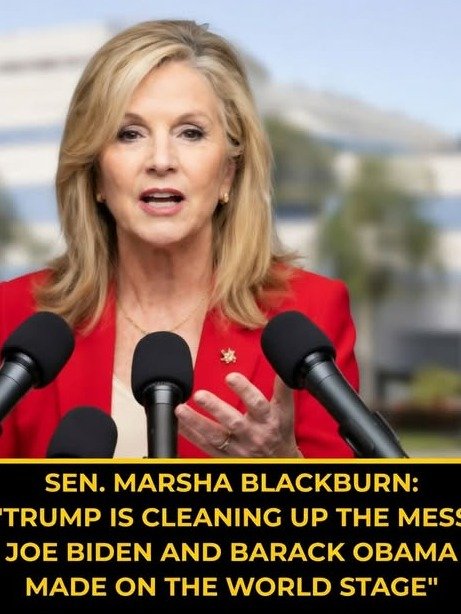
For decades, the bedrock of American foreign policy seemed immutable: global leadership, strong alliances, and a commitment to international institutions. Then came the seismic shift of “America First,” an ideology that shattered norms and sparked a fierce, ongoing debate. Was this a much-needed restoration of national interests, or a dangerous reinterpretation that undermined global stability and America’s standing?
This isn’t just about politics; it’s about the very future of the United States on the world stage. Did prioritizing domestic concerns truly bolster American strength, or did it inadvertently weaken the intricate web of relationships that sustained its influence? Let’s dive deep into the heart of this polarizing strategy and uncover the arguments that continue to shape our understanding of America’s role in the 21st century.
Understanding the “America First” Doctrine
At its core, “America First” was a radical departure from the post-World War II consensus that emphasized multilateralism and global cooperation. Former President Donald Trump articulated a vision where the United States would prioritize its own economic and security interests above all else, often through a transactional lens. This meant re-evaluating long-standing treaties, challenging established trade agreements, and scrutinizing the contributions of allies.
The doctrine was characterized by a skepticism toward international organizations, a preference for bilateral negotiations, and a strong focus on national sovereignty. Supporters argued it was a necessary corrective to decades of what they perceived as America shouldering an unfair burden in global affairs, while critics warned it risked isolating the U.S. and creating a power vacuum.
The Argument for Restoration: Bolstering US Interests
Proponents of “America First” argued vehemently that the strategy was not about isolationism, but about a pragmatic restoration of American power and prosperity. They believed that previous administrations had sacrificed domestic well-being for the sake of international obligations, leading to deindustrialization, job losses, and a drain on national resources. By putting America first, they contended, the nation would become stronger at home, and thus more formidable abroad.
One key aspect of this argument centered on economic nationalism. The imposition of tariffs on goods from countries like China and the renegotiation of trade deals such as NAFTA (which became the USMCA) were presented as efforts to protect American industries and bring manufacturing jobs back to the U.S. The belief was that a strong domestic economy was the ultimate foundation of national security and global influence.
Furthermore, advocates pointed to the demand for allies to contribute more financially to collective defense, particularly within NATO. This was seen not as an abandonment of alliances, but as a necessary recalibration to ensure fairness and shared responsibility. The idea was to reduce the burden on American taxpayers while encouraging allies to strengthen their own defense capabilities.
“For too long, we have sacrificed the interests of our own citizens for the sake of international agreements that did not serve us. ‘America First’ is about reclaiming our sovereignty and putting our people back in the driver’s seat.” – A common sentiment among supporters.
Key Policy Shifts Under “America First”
- Trade Policy: Withdrawal from the Trans-Pacific Partnership (TPP), imposition of tariffs on steel, aluminum, and Chinese goods, renegotiation of NAFTA.
- Climate Policy: Withdrawal from the Paris Agreement, arguing it placed undue economic burdens on the U.S. while other major polluters were not held to the same standards.
- International Agreements: Withdrawal from the Iran nuclear deal (JCPOA), questioning the utility of the World Health Organization (WHO) and other UN bodies.
- Alliance Management: Constant pressure on NATO members to meet their 2% GDP defense spending targets, often accompanied by critical rhetoric.
- Middle East Strategy: Relocation of the U.S. embassy to Jerusalem, brokering of the Abraham Accords between Israel and several Arab nations, and a less interventionist stance in some regional conflicts.
The Argument for Reinterpretation: Undermining Global Stability and Influence
Conversely, critics of “America First” argued that the approach was not a restoration, but a dangerous reinterpretation that actively undermined American leadership, alienated key allies, and created instability. They contended that the transactional nature of foreign policy, combined with a rejection of multilateralism, eroded trust and weakened the very institutions that had long served American interests.
Many international relations experts expressed alarm that the U.S. was ceding its influence to rival powers like China and Russia by retreating from global leadership roles. They argued that issues like climate change, pandemics, and nuclear proliferation require collective action, and that America’s withdrawal made these challenges harder to address, ultimately harming U.S. security.
The strained relationships with traditional allies, particularly in Europe, were a major point of concern. Critics argued that repeatedly questioning the value of alliances like NATO and imposing tariffs on allies created fissures that could be exploited by adversaries. This, they claimed, weakened the collective front against common threats and diminished America’s soft power.
“To put America first, we must not put America alone. Our strength has always been amplified by our allies and our commitment to shared values. This strategy risks isolating us at a time when global cooperation is more vital than ever.” – A common counter-argument from critics.
The Economic and Geopolitical Ripple Effects
The economic impact of “America First” policies was hotly debated. While some sectors saw a boost from tariffs and trade renegotiations, others faced increased costs and disrupted supply chains. Farmers, for instance, were hit hard by retaliatory tariffs, necessitating government aid. The overall effect on the U.S. economy remains a subject of ongoing study and differing interpretations.
Geopolitically, the “America First” era undeniably shifted dynamics. China’s global ambitions became more pronounced, and Russia continued to assert itself in Eastern Europe and the Middle East. While some argue that Trump’s approach forced a necessary reckoning with these powers, others believe it created vacuums that they eagerly filled, ultimately making the world a more dangerous place for U.S. interests.
A Divided Legacy: What Comes Next?
The debate over “America First” is far from over. Even after the Trump administration, elements of its philosophy continue to resonate in American politics, influencing discussions on trade, alliances, and the proper balance between domestic needs and international obligations. Future administrations, regardless of party, will grapple with the legacy of this radical experiment.
Was it a necessary course correction that reasserted American sovereignty and protected its workers, or a short-sighted approach that damaged vital alliances and diminished U.S. leadership? The answer likely lies in a complex interplay of both, with different impacts felt across various sectors and regions. What is clear is that “America First” irrevocably altered the trajectory of American foreign policy, leaving behind a legacy that continues to provoke intense scrutiny and debate.
Ultimately, the question of restoration or reinterpretation is a matter of perspective, deeply tied to one’s vision for America’s role in a rapidly changing world. The long-term consequences of this bold strategy will continue to unfold, shaping not just the United States, but the entire global order for years to come.
The Enduring Question: What Does “American Strength” Truly Mean?
The “America First” debate forces us to confront a fundamental question: What truly constitutes American strength in the 21st century? Is it solely economic might and military power wielded unilaterally, or is it also the ability to forge strong alliances, lead international coalitions, and champion democratic values globally?
This is not an easy question to answer, as both sides present compelling arguments. The advocates for “America First” believe that true strength comes from within, by ensuring the prosperity and security of its own citizens first. They see international commitments as potential liabilities if they don’t directly serve national interests.
Conversely, those who argue for a more traditional, globally engaged approach contend that America’s strength is amplified by its network of allies and its leadership in international norms. They believe that a secure and prosperous world, shaped by American values, ultimately benefits the U.S. more than a world where it stands alone.
The ongoing dialogue about “America First” is more than just a political talking point; it’s a reflection of a deeper national reckoning about identity, purpose, and the path forward in an increasingly interconnected and complex world. The choices made today will undoubtedly determine America’s standing and influence for generations.
Looking Ahead: The Future of US Foreign Policy
As the world continues to evolve, the principles introduced or challenged by “America First” will remain central to policy discussions. The tension between national self-interest and global cooperation, between unilateral action and multilateral engagement, is a constant one. Understanding the nuances of this debate is crucial for anyone seeking to comprehend the direction of U.S. foreign policy.
Whether future administrations embrace, modify, or reject the tenets of “America First,” its impact on the geopolitical landscape is undeniable. It sparked a critical re-evaluation of long-held assumptions and forced a global discussion on what it means for a superpower to prioritize itself. The full story, and its ultimate judgment, is still being written.
Key Takeaways from the “America First” Era:
- Shift in Focus: A pronounced move from globalism towards nationalism and bilateralism.
- Economic Leverage: Increased use of tariffs and trade agreements as tools of foreign policy.
- Alliance Strain: Traditional alliances were tested and often strained by demands for greater burden-sharing.
- Global Repercussions: Created opportunities for rival powers and questioned the stability of the international order.
- Enduring Debate: The core questions of national interest versus global responsibility remain highly contentious.
The “America First” doctrine wasn’t just a political slogan; it was a profound experiment in foreign policy, whose ramifications continue to be felt across the globe. Whether you view it as a necessary rebalancing or a dangerous disruption, its place in American history is cemented, and its influence on future policy decisions will be undeniable.
Conclusion: A Legacy of Disruption and Debate
The “America First” approach to foreign policy ignited a global firestorm, forcing a critical examination of America’s role in the world. Was it a much-needed restoration, pulling the nation back from overreach and refocusing on its own citizens? Or was it a dangerous reinterpretation, alienating allies and weakening the very foundations of global stability that had long served American interests?
The truth, as always, is multifaceted. There are compelling arguments on both sides, with evidence pointing to both benefits and drawbacks. What is clear is that the “America First” era irrevocably altered the discourse, leaving a legacy of disruption and an enduring debate about the true meaning of American leadership in the 21st century. The world is still grappling with its aftershocks, and the conversation is far from over.
About the Author




