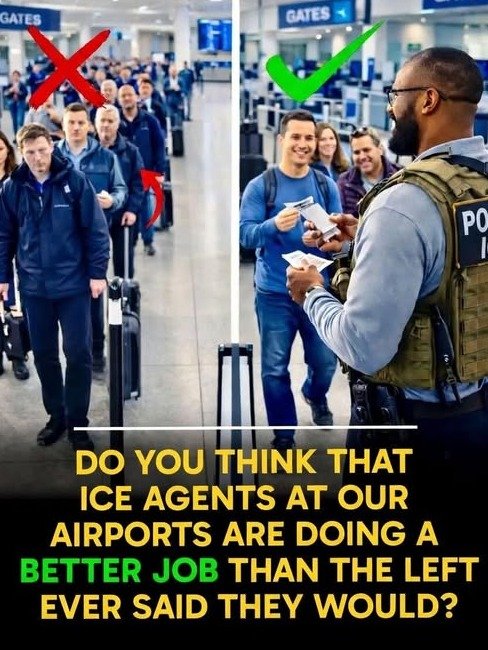
Picture this: You arrive at the airport, breeze through security in mere minutes, and find yourself at your gate with time to spare. No endless queues, no frantic rushing, just smooth sailing. Sound like a futuristic fantasy? What if we told you a 95% drop in TSA wait times isn’t just a dream, but a tangible vision for the near future?
A “95% drop” in TSA wait times isn’t just an attention-grabber; it’s a number that shocks and inspires. It suggests something dramatic, almost instantaneous, like a sudden leap into a new era of air travel efficiency. This isn’t about minor tweaks; it’s about a fundamental transformation of how we experience airport security.
The Current Nightmare of Airport Security
For far too long, airport security has been synonymous with stress, long lines, and unpredictable delays. Travelers often dread the security checkpoint more than the flight itself, arriving hours early just to navigate the labyrinthine queues. This experience can turn the excitement of travel into a frustrating ordeal before it even begins.
The current system, while necessary for safety, often feels cumbersome and inefficient. Passengers are forced to remove shoes, belts, laptops, and liquids, leading to bottlenecks and exasperation. This not only saps traveler morale but also creates a significant operational challenge for airports and airlines alike.
The Vision: A 95% Reduction – What Does That Even Look Like?
Imagine reducing the average wait time from 30 minutes to a mere 90 seconds, or a 15-minute wait to less than a minute. That’s the power of a 95% drop. Such an improvement would fundamentally alter the psychology of air travel, transforming a dreaded necessity into a seamless part of the journey.
This isn’t just about speed; it’s about reclaiming valuable time, reducing anxiety, and making air travel more accessible and enjoyable for everyone. It would mean less rushing, fewer missed flights, and a much more relaxed start to any trip, whether for business or leisure.
How Could We Achieve Such a Drastic Change?
Achieving a 95% reduction in wait times requires a multi-faceted approach, leveraging cutting-edge technology, intelligent design, and a shift in operational philosophy. It’s not one magic bullet but a symphony of innovations working in concert.
The key lies in moving away from a one-size-fits-all screening process towards a more personalized, risk-based assessment that utilizes advanced data and automation. This allows resources to be focused where they are most needed, while legitimate travelers can move through with unprecedented ease.
Biometric Breakthroughs: Your Face, Your Boarding Pass
One of the most promising avenues for drastic improvement is the widespread adoption of biometrics. Imagine simply walking through a checkpoint where your face or fingerprints are scanned, instantly verifying your identity and travel credentials without needing to show a physical ID or boarding pass.
This technology is already in use in limited capacities, but a full rollout could virtually eliminate the need for manual document checks, which are a major source of delays. The system could pre-verify passengers, linking their identity directly to their flight information and known traveler status.
Next-Gen Screening Scanners: Smarter, Faster, Safer
The evolution of screening technology is another critical component. New computed tomography (CT) scanners are already being deployed that allow passengers to keep liquids and laptops in their bags, significantly speeding up the process and reducing divestment time.
Beyond CT, imagine AI-powered scanners that can identify prohibited items with unparalleled accuracy and speed, reducing the need for manual bag checks and false alarms. Millimeter wave technology is also becoming more sophisticated, offering faster and more precise body scans without physical pat-downs for most travelers.
Smarter Queue Management and Predictive Analytics
Even with advanced technology, efficient crowd flow is crucial. Predictive analytics can forecast passenger volumes based on flight schedules, historical data, and even external factors, allowing airports to dynamically allocate staff and open/close lanes as needed.
Smart queue management systems, using sensors and AI, can guide passengers to the shortest lines and optimize the flow of people through the checkpoint. This reduces congestion and ensures that the advanced screening equipment is utilized to its maximum potential.
Pre-Screening Programs on Steroids
Programs like TSA PreCheck and Global Entry have already demonstrated the power of pre-screening. Expanding these programs, making them more accessible, and integrating them seamlessly with biometric systems could create a vast network of pre-approved, low-risk travelers.
“The future of airport security isn’t about making everyone wait longer; it’s about identifying trusted travelers and letting technology handle the rest, making security both faster and more effective.”
Imagine a world where a significant majority of travelers are part of such a program, allowing them to bypass traditional queues entirely. This would drastically reduce the load on conventional security lanes, benefiting all travelers.
Beyond the Wait: The Ripple Effect of Efficiency
A 95% drop in TSA wait times would trigger a cascade of positive effects, extending far beyond the security checkpoint itself. The benefits would be felt by travelers, airlines, airports, and even the broader economy.
A Traveler’s Dream: Less Stress, More Enjoyment
For the individual traveler, the most immediate benefit is a vastly improved experience. The stress of airport security would largely vanish, replaced by a sense of calm and efficiency. This means more time for:
- Relaxing before a flight
- Enjoying airport amenities like shops and restaurants
- Meeting business deadlines or catching up with family
- Reduced anxiety about missing a flight
Ultimately, it makes air travel a more pleasant and less daunting proposition, encouraging more people to fly.
Economic Boom for Air Travel
When air travel becomes easier and less stressful, demand naturally increases. This surge in passenger numbers would translate into significant economic benefits for the entire aviation industry, including:
- Increased airline revenue
- More jobs in aviation and related services
- Greater tourism spending
- Enhanced business travel efficiency, boosting productivity
Airports themselves would become more efficient hubs, capable of handling higher volumes of passengers without expanding their physical footprint, making them more profitable and sustainable.
Enhanced Security, Not Compromised
Counterintuitively, faster security can also mean more effective security. By leveraging advanced technology and focusing human resources on genuine threats, the system becomes less prone to human error and more adept at identifying risks.
When TSA agents aren’t overwhelmed by endless queues and routine checks, they can dedicate more attention to anomalies and suspicious behavior. The goal is to make security both unobtrusive for the vast majority and highly effective against the few who pose a threat.
Navigating the Hurdles: Challenges on the Path to Zero Wait
While the vision of a 95% drop in wait times is compelling, achieving it comes with its own set of challenges that must be carefully addressed. These include technological, ethical, and logistical considerations.
Privacy vs. Convenience: A Delicate Balance
The widespread use of biometrics raises legitimate privacy concerns. How will personal data be stored, protected, and used? Ensuring robust data security and transparency will be paramount to building public trust and acceptance.
Clear regulations and strong oversight bodies will be necessary to balance the desire for convenience with the fundamental right to privacy. Travelers need assurances that their data is safe and won’t be misused.
The Price Tag of Progress
Implementing advanced technology like next-gen scanners and biometric systems across hundreds of airports is an incredibly expensive undertaking. Who will bear the cost? Governments, airlines, and airports will need to collaborate on funding models.
The long-term economic benefits may outweigh the initial investment, but securing the necessary capital and justifying the expenditure to taxpayers and stakeholders will be a significant hurdle.
Ensuring Universal Access and Equity
As security processes become more technologically advanced, there’s a risk of creating a two-tiered system where those with access to certain technologies or pre-screening programs benefit disproportionately. Ensuring equitable access for all travelers, regardless of their technological literacy or economic status, is crucial.
This means providing alternative, efficient screening methods for those who cannot or choose not to use biometric systems, and ensuring that any advanced programs are affordable and accessible to a broad demographic.
The Road Ahead: Making the 95% Drop a Reality
The journey to a 95% reduction in TSA wait times is an ambitious one, requiring continuous innovation, strategic investment, and collaborative effort from governments, technology providers, airlines, and airports. It’s not a matter of if, but when, such transformative changes will become mainstream.
Pilot programs are already underway, testing various components of this future vision. Each success, no matter how small, brings us closer to a reality where airport security is no longer a source of dread, but a testament to human ingenuity and efficiency.
The Future of Travel Awaits
A 95% drop in TSA wait times might sound like science fiction, but the technological building blocks are already in place or rapidly developing. The dream of seamless, stress-free air travel is within our grasp. It’s a future where security is smarter, faster, and ultimately, a much more pleasant part of your journey.
Imagine stepping into an airport, knowing that the longest part of your experience will be deciding which coffee to grab, not enduring an endless security line. This isn’t just about speed; it’s about redefining the entire travel experience for generations to come. The airport revolution is coming, and it promises to change everything you thought you knew about flying.
Are you ready for a future where your airport wait times are virtually non-existent? The possibility is closer than you think, and it’s poised to transform every aspect of how we travel, making the world feel a little smaller and a lot more accessible.
About the Author




