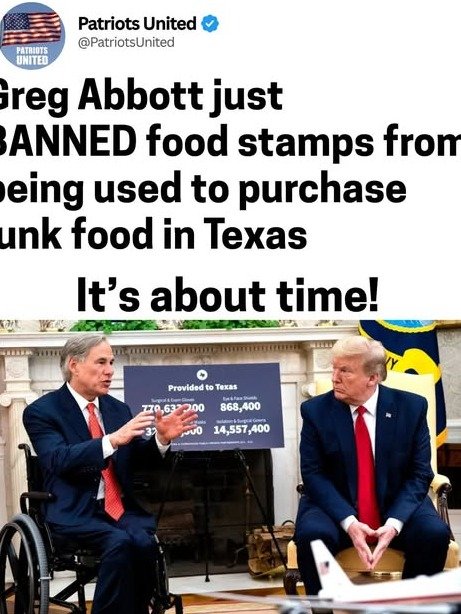
Imagine going to the grocery store, ready to buy essentials for your family, only to find that some of your usual choices are suddenly off-limits. This isn’t a hypothetical scenario for thousands of Texans relying on SNAP benefits. A significant new policy, spearheaded by Governor Greg Abbott, has fundamentally reshaped what can and cannot be purchased with food assistance, sparking widespread discussion and debate across the state.
This groundbreaking directive directly targets what the state classifies as “junk food,” aiming to steer beneficiaries towards healthier dietary choices. It’s a move that has sent ripples through communities, prompting both praise from health advocates and concern from those who believe it infringes on personal autonomy and disproportionately affects low-income families.
The Sweeping New Ban: What’s Off-Limits?
At the heart of Governor Abbott’s recent announcement is a clear mandate: Texas SNAP (Supplemental Nutrition Assistance Program) benefits can no longer be used to purchase specific categories of items deemed non-essential or unhealthy. This isn’t a minor tweak; it’s a focused effort to redefine the scope of acceptable purchases, with a strong emphasis on public health outcomes.
Specifically, the ban targets items known for their high sugar content and lack of nutritional value. This includes a broad range of products such as candy, chewing gum, and, notably, sweetened drinks containing five or more grams of added sugar per serving. This threshold is crucial, as it encompasses a vast array of sodas, energy drinks, and many fruit juices that previously fell within allowable SNAP purchases.
The intention behind these specific exclusions, according to state officials, is to combat rising rates of diet-related illnesses and obesity within the SNAP recipient population. By restricting access to these items, the state hopes to encourage a shift towards more wholesome foods, ultimately improving the long-term health and well-being of Texans.
Understanding Texas SNAP: A Lifeline for Many
Before diving deeper into the implications of this ban, it’s essential to understand the vital role SNAP plays in Texas. The Supplemental Nutrition Assistance Program is a federal program administered at the state level, providing food assistance to low-income individuals and families. Its primary goal is to alleviate food insecurity and ensure that all Texans have access to a basic, nutritious diet.
In Texas, SNAP benefits are delivered via an Electronic Benefit Transfer (EBT) card, which functions much like a debit card. Recipients use this card at authorized grocery stores and farmers’ markets to purchase eligible food items. For countless families, especially those with children, SNAP is not just a supplement; it is the primary means by which they put food on their tables.
“SNAP is more than just a program; it’s a lifeline for millions of Americans, ensuring that no one has to go hungry. Any policy change profoundly impacts the daily lives of vulnerable populations.” – A local food bank director.
The program is designed to empower individuals to choose foods that meet their household’s needs, within broad federal guidelines. However, states retain some flexibility in defining specific exclusions, which is precisely where Governor Abbott’s new policy comes into play, pushing the boundaries of state-level control over federal benefits.
The Rationale: A Push for Health and Responsibility
Governor Abbott and his administration have articulated clear reasons for implementing this ban, primarily centered on public health and the responsible stewardship of taxpayer funds. The argument posits that SNAP benefits, funded by taxpayers, should be utilized for foods that genuinely contribute to the health and vitality of recipients, rather than contributing to detrimental dietary habits.
One of the core motivations is the alarming rate of diet-related health issues, such as type 2 diabetes, heart disease, and obesity, which are particularly prevalent in low-income communities. By restricting access to high-sugar, low-nutrition products, the state aims to mitigate these health risks, potentially leading to long-term reductions in healthcare costs for both individuals and the state.
Proponents of the ban often highlight the idea that public assistance should promote positive lifestyle choices. They argue that allowing the purchase of “junk food” undermines the program’s intent to foster nutrition and can perpetuate cycles of poor health. This perspective emphasizes a shift from merely providing food access to actively guiding healthier consumption patterns.
The Debate Rages: Paternalism vs. Public Health
While the intent behind the ban may be to improve public health, it has ignited a fierce debate, drawing lines between those who prioritize health outcomes and those who champion individual autonomy. Critics often frame the policy as paternalistic, arguing that it removes personal choice from individuals who are already facing significant financial hardship.
Opponents contend that low-income families often rely on cheaper, calorie-dense foods, which sometimes include items now classified as “junk food,” to stretch their limited budgets. They argue that restricting these options doesn’t necessarily lead to healthier choices but might instead add stress, make grocery shopping more difficult, or even lead to food insecurity if healthier alternatives are more expensive or less accessible.
Furthermore, the definition of “junk food” itself can be subjective and contentious. What one person considers an occasional treat, another might see as an integral part of their diet or a comfort food. Critics question whether the state should be dictating such personal choices, especially when broader systemic issues like food deserts and the affordability of fresh produce remain unaddressed.
Supporters’ Viewpoint: A Path Towards Better Health
- Promoting Nutrition: The ban encourages the purchase of fruits, vegetables, lean proteins, and whole grains, which are essential for a balanced diet.
- Reducing Healthcare Costs: Healthier diets can lead to fewer chronic diseases, potentially lowering medical expenses for individuals and the state’s healthcare system.
- Responsible Spending: Ensuring taxpayer-funded benefits are used for truly nutritious items aligns with public expectations for accountability.
- Addressing Obesity Crisis: Directly targets foods contributing to Texas’s high obesity rates, particularly among vulnerable populations.
Critics’ Concerns: Limiting Choice and Adding Burden
- Paternalism: Undermines the autonomy of individuals to make their own food choices, especially when they are already struggling.
- Administrative Burden: Implementation can be complex for retailers and confusing for beneficiaries, potentially leading to errors or frustration.
- Stigma: Can create a sense of shame or judgment for SNAP recipients, further marginalizing them.
- Inequity: Healthier food options are often more expensive and less accessible in low-income areas, making the ban potentially counterproductive.
- Defining “Junk”: The specific criteria (e.g., 5g+ added sugar) can be arbitrary and may exclude some items while allowing others that are not necessarily “healthy.”
How Does This Compare? The National Landscape
Texas isn’t the first state to consider or implement restrictions on SNAP purchases, but its direct ban on specific categories of “junk food” is a significant step. Federally, SNAP guidelines broadly exclude non-food items, alcohol, tobacco, vitamins, and hot prepared foods. However, the federal government generally allows a wide range of groceries, including many items states might consider unhealthy.
Historically, efforts to restrict “junk food” purchases with SNAP at the federal level have faced considerable opposition, often citing concerns about administrative complexity, the slippery slope of defining “healthy,” and the potential for stigmatizing beneficiaries. This is why many states have opted for educational programs or incentives for healthy eating rather than outright bans.
Some states have explored pilot programs or specific waivers, but a statewide ban of this nature on a broad category of items like candy and sugary drinks is relatively uncommon. This makes Texas’s policy a notable departure from the prevailing federal approach and a potential test case for similar initiatives in other states.
Immediate Impact: What Texas Families and Retailers Face
For the thousands of Texans relying on SNAP, this ban means an immediate adjustment to their shopping habits. Families will need to be more vigilant about checking labels for added sugar content and will find certain long-familiar items unavailable for purchase with their EBT card. This could add a layer of stress to an already challenging task of feeding a family on a tight budget.
Retailers, too, face new challenges. Grocery stores, convenience stores, and other authorized SNAP vendors must now update their point-of-sale systems to correctly identify and block purchases of the banned items when an EBT card is used. This requires significant technological adjustments and staff training to ensure compliance, potentially leading to initial confusion and checkout delays.
There’s also the potential for economic impact. Manufacturers of the now-banned items, as well as retailers heavily reliant on sales of these products to SNAP customers, might see a dip in revenue. Conversely, producers and sellers of healthier alternatives could experience an uptick in demand, though this shift might not fully offset losses.
Navigating the New Rules: Advice for SNAP Users
If you are a SNAP recipient in Texas, understanding these new rules is crucial to avoid issues at the checkout. Here are some key points to remember:
- Read Labels Carefully: Pay close attention to the “Added Sugars” section on nutrition labels. Products with 5 grams or more of added sugar per serving are likely prohibited if they fall into the sweetened drink category.
- Identify Banned Items: Remember the core categories: candy, gum, and sweetened beverages with high added sugar.
- Plan Your Shopping: Consider making a list and mentally separating items you plan to buy with your EBT card from those you might purchase with other funds.
- Ask for Clarification: If you’re unsure whether an item is eligible, don’t hesitate to ask a store employee or consult official Texas Health and Human Services (HHSC) resources.
- Look for Alternatives: Explore healthier options like water, unsweetened tea, fresh fruits, and vegetables, which remain fully eligible for SNAP purchase.
The Texas Health and Human Services Commission (HHSC) is expected to provide detailed guidance and resources to help beneficiaries and retailers navigate this transition. Staying informed through official channels will be vital.
The Road Ahead: Public Reaction and Future Implications
Governor Abbott’s ban is more than just a policy change; it’s a statement about the state’s approach to public health and welfare programs. The long-term effects of this policy will be closely watched, both within Texas and across the nation.
Will it lead to a measurable improvement in public health outcomes? Will it create undue hardship for vulnerable families? These are questions that will only be answered over time, as data on food purchasing habits, health metrics, and recipient feedback emerge. The public reaction has already been mixed, with strong opinions on both sides, and this debate is likely to continue.
Furthermore, this move could set a precedent. If Texas demonstrates success in improving health outcomes without significant negative consequences, other states might consider similar restrictions. Conversely, if the policy proves challenging to implement or leads to unintended negative impacts, it could serve as a cautionary tale. Regardless of the outcome, Texas has certainly opened a new chapter in the ongoing discussion about food assistance and public health.
About the Author




