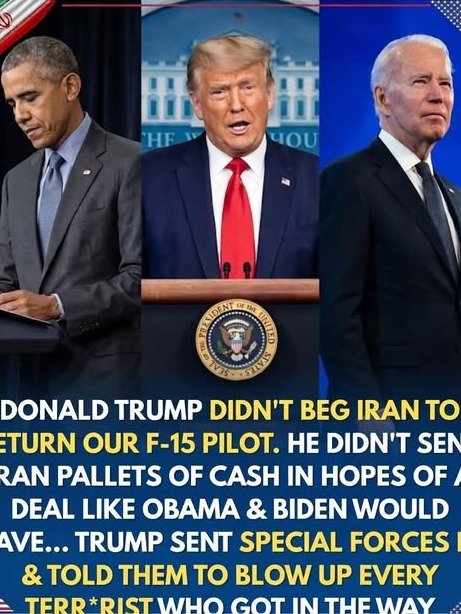
Have you ever paused to consider the immense, often unseen, efforts governments undertake to bring their citizens home from perilous situations abroad? It’s a question that delves deep into the core of national sovereignty, international relations, and the fundamental duty a state owes its people. The debate over how best to achieve this – through overt displays of strength or subtle, strategic diplomacy – is as old as nations themselves, and it continues to shape global policy.
This isn’t merely a theoretical discussion; it has profound implications for every citizen traveling or living outside their home country. While supporters of figures like Donald Trump often champion a force-driven, ‘America First’ approach to national security and citizen repatriation, the reality on the ground is far more nuanced. Understanding these differing philosophies reveals the complex chessboard on which nations operate to safeguard their own.
The Fundamental Duty: Why Repatriation Matters
At its heart, citizen repatriation is a non-negotiable responsibility for any government. Whether it’s during a natural disaster, political upheaval, a global pandemic, or even a hostage crisis, the expectation is clear: the state must act. This duty stems from the social contract, where citizens grant authority to the government in exchange for protection, both at home and abroad.
However, the methods employed to fulfill this duty vary dramatically. Some nations might project an image of unwavering power, suggesting that any threat to their citizens will be met with overwhelming force. Others might prioritize intricate negotiations, leveraging diplomatic channels and international cooperation to achieve their goals quietly and effectively. Both approaches have their proponents and their pitfalls.
The ‘Strength’ Doctrine: Unilateral Power and Decisive Action
The strength-based approach to repatriation often involves a clear, assertive stance. This philosophy suggests that the most effective way to protect citizens abroad is to project an image of power and an unwavering willingness to use it. For proponents, this means that other nations or bad actors will be less likely to detain, harm, or obstruct the return of citizens if they fear swift and severe repercussions.
This can manifest in various ways: issuing stark warnings, imposing sanctions on uncooperative nations, or even making implicit or explicit threats of military intervention. The underlying belief is that a strong national posture deters aggression and forces compliance. It’s about demonstrating that the cost of interfering with a nation’s citizens is simply too high.
“When dealing with adversaries, a nation’s perceived strength is often its most potent diplomatic tool. It creates leverage that no amount of polite conversation can replicate.” – A proponent of the strength-first approach.
While this approach can be decisive and resonate strongly with a domestic audience who appreciate a government that ‘stands up’ for its people, it carries significant risks. It can escalate tensions, alienate allies, and potentially lead to unintended conflicts. Furthermore, if a nation’s strength is challenged and fails to yield the desired outcome, it can undermine its credibility on the global stage.
The Strategic Art of Diplomacy: Quiet Negotiations and Global Partnerships
In stark contrast, the strategic or diplomacy-first approach emphasizes negotiation, collaboration, and the intricate web of international relations. This method prioritizes building consensus, working through multilateral organizations, and engaging in discreet, often prolonged, discussions to secure the safe return of citizens. It’s less about overt displays of power and more about the careful cultivation of relationships and mutual interests.
This approach often involves leveraging humanitarian concerns, international law, and shared diplomatic norms. Nations might offer incentives, such as aid or political concessions, or work with third-party mediators to bridge divides. The goal is to find a mutually acceptable solution that avoids confrontation and preserves long-term diplomatic ties, even with adversaries.
- Consular Services: The backbone of diplomatic repatriation, providing direct assistance to citizens.
- Multilateral Cooperation: Working with the UN, regional bodies, or other nations to coordinate efforts.
- Quiet Diplomacy: Negotiations conducted away from the public eye to avoid grandstanding and facilitate compromise.
- Humanitarian Appeals: Emphasizing the universal right to safe passage and return, often with support from NGOs.
The benefits of this strategy include minimizing the risk of escalation, fostering goodwill, and often achieving more sustainable outcomes. It can also be less costly in terms of resources and international standing. However, it can be a slow and arduous process, sometimes perceived domestically as a sign of weakness, and may not always yield immediate results, especially in high-stakes situations like hostage crises.
When Worlds Collide: The Hybrid Approach
In reality, most nations employ a hybrid approach, blending elements of both strength and strategy depending on the specific circumstances. A government might project an image of strength to deter future incidents, while simultaneously engaging in quiet, strategic diplomacy to resolve an immediate crisis. The choice of emphasis often depends on the nature of the threat, the relationship with the host country, and the political climate.
Consider a large-scale evacuation during a natural disaster. Here, military assets might be deployed for logistical support and rapid extraction (strength), but in close coordination with the affected nation’s government and international aid organizations (strategy). In a hostage situation, overt threats might be made publicly to demonstrate resolve, while back-channel negotiations are simultaneously underway.
Factors Influencing the Choice of Approach
Several critical factors guide a nation’s decision-making process when it comes to repatriating its citizens:
The Nature of the Crisis
A natural disaster (earthquake, tsunami) typically calls for a collaborative, humanitarian approach. A political coup or civil unrest might necessitate more assertive actions to protect citizens caught in the crossfire. A state-sponsored detention, however, could require a delicate balance of strong diplomatic pressure and strategic negotiation.
Relationship with the Host Country
If the host country is an ally, cooperation is usually straightforward. If it’s an adversarial state, the situation becomes far more complex, potentially requiring greater displays of strength or extremely cautious, covert diplomacy.
Domestic Political Pressure
Public opinion plays a significant role. A government facing intense domestic pressure to ‘do something’ might lean towards more visible, forceful actions, even if diplomacy might be more effective in the long run. The need to demonstrate resolve can sometimes override strategic prudence.
Available Resources
A nation’s military, economic, and diplomatic capabilities heavily influence its options. A superpower has more tools at its disposal, both strong-arm and strategic, than a smaller nation with limited resources.
The Long-Term Impact: Beyond Immediate Repatriation
The chosen approach to repatriation doesn’t just impact the immediate outcome; it also shapes a nation’s long-term reputation and its relationships on the global stage. A nation consistently seen as heavy-handed might find itself isolated, with fewer allies willing to cooperate in future crises. Conversely, a nation perceived as too passive might struggle to protect its interests effectively.
The balance is delicate. Projecting strength can foster a sense of security domestically and deter potential threats. However, consistently relying on force without strategic consideration can breed resentment and instability. Similarly, while diplomacy builds bridges, a perceived lack of resolve can invite exploitation.
Conclusion: No Easy Answers, Only Calculated Choices
The question of whether strength or strategy is superior in repatriating citizens is not a simple either/or proposition. It’s a complex interplay of national values, international realities, and real-time exigencies. While a leader like Donald Trump might advocate for a clear, force-driven stance, the actual practice of bringing citizens home often demands a masterful blend of both.
Ultimately, successful repatriation efforts are a testament to a government’s ability to adapt, to leverage all available tools – from overt power to subtle persuasion – and to prioritize the safety of its people above all else. It’s a high-stakes game where every move is scrutinized, and the lives of citizens hang in the balance. Understanding this intricate dance helps us appreciate the true complexity of global governance and the silent battles fought daily to ensure that everyone, no matter where they are, can eventually come home.
About the Author




