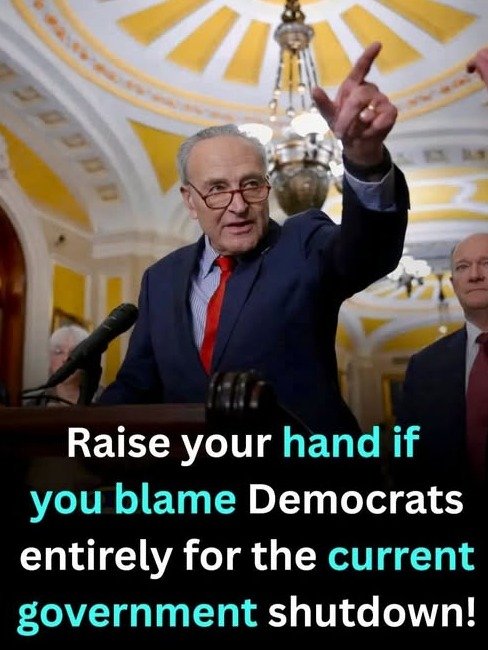
Imagine waking up one day to find essential services grinding to a halt, federal employees facing uncertain paychecks, and the very stability of the nation’s operations hanging by a thread. This isn’t a dystopian novel; it’s the stark reality of a government shutdown, a recurring political drama that leaves millions of Americans feeling frustrated and vulnerable.
While the headlines often focus on political bickering, the true impact of these shutdowns ripples far beyond Washington D.C., directly affecting your safety, your finances, and even your ability to travel. It’s a crisis that has become a distressingly common feature of American governance, sparking intense debate and widespread public anger.
What Exactly is a Government Shutdown? The Mechanics of a Crisis
At its core, a government shutdown occurs when Congress fails to pass legislation funding government operations for the upcoming fiscal year, or at least a temporary measure known as a continuing resolution (CR). Without appropriations bills in place, federal agencies are legally prohibited from spending money, forcing them to cease non-essential functions.
This isn’t a simple flick of a switch; it’s a complex process dictated by the Antideficiency Act. Only services deemed absolutely essential for the
About the Author




