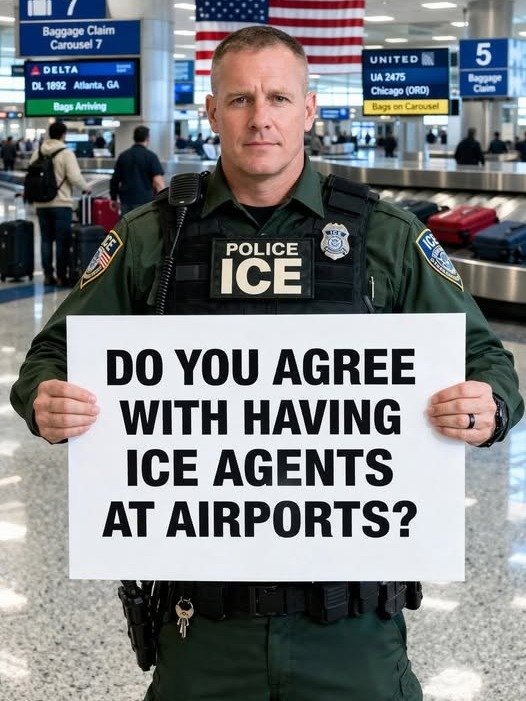
Imagine stepping into your local airport, already bracing for potential delays and long lines, only to encounter a new, unexpected presence: Immigration and Customs Enforcement (ICE) agents. This isn’t a hypothetical scenario from a dystopian novel; it’s a very real, highly controversial proposal currently sparking intense debate across the nation.
Amidst persistent staffing shortages and mounting travel disruptions, a plan to deploy ICE agents to assist at U.S. airports has emerged, throwing a spotlight on the desperate measures being considered to alleviate the chaos. This move has ignited a firestorm of discussion, with proponents arguing for enhanced security and efficiency, while critics voice deep concerns about mission creep and potential impacts on civil liberties.
The Core of the Controversial Proposal
The proposal at its heart suggests leveraging the personnel of U.S. Immigration and Customs Enforcement to supplement existing airport staff during periods of significant disruption. This could include scenarios ranging from unexpected surges in passenger volume to severe weather events, or even critical infrastructure failures that cripple normal operations.
The underlying rationale is clear: airports are struggling. From prolonged security checkpoints to baggage handling delays and even air traffic control issues, the entire ecosystem of air travel is under immense strain. The idea is that ICE agents, as trained federal law enforcement officers, could provide much-needed manpower and expertise.
Understanding the Unprecedented Airport Chaos
For years, U.S. airports have grappled with a perfect storm of challenges. Post-pandemic travel demand has surged, often outstripping the capacity of an understaffed workforce. This isn’t just about TSA agents; it extends to airline ground crews, baggage handlers, customer service representatives, and even air traffic controllers.
The consequences are felt by millions of travelers daily: missed connections, hours-long queues, lost luggage, and widespread frustration. These operational bottlenecks not only impact passenger experience but also pose potential security risks and economic setbacks for the travel industry. The current situation demands urgent, innovative solutions.
Why ICE? The Rationale Behind the Move
Proponents of the plan argue that ICE agents represent a readily available, trained federal workforce that could be quickly mobilized. Unlike hiring and training new personnel, which is a lengthy process, existing ICE agents possess law enforcement capabilities, security clearances, and a foundational understanding of federal protocols.
They could potentially assist in managing large crowds, maintaining order, identifying suspicious activity, and even supporting various operational tasks under the guidance of airport authorities. The argument is that in times of crisis, all available federal resources should be considered to ensure public safety and restore functionality.
“In a genuine crisis, we need all hands on deck. Leveraging federal resources like ICE, who are already trained in security and enforcement, could be a critical stopgap to prevent total airport gridlock,” stated one anonymous government official, highlighting the urgency of the matter.
A Storm of Controversy: Opposition and Concerns
However, the proposal has been met with significant pushback from various groups. Civil liberties advocates, immigrant rights organizations, and even some aviation experts have voiced profound concerns. A primary worry is the concept of ‘mission creep’ – deploying an agency primarily focused on immigration enforcement into a broader airport security and operational role.
Many fear that the presence of ICE agents in general airport areas could create an atmosphere of fear and distrust, particularly among immigrant communities and travelers of color. There are legitimate questions about how their presence might impact the travel experience and whether it could lead to increased racial profiling or other civil rights violations.
Examining the Practicalities and Jurisdictional Overlap
Beyond the ethical considerations, there are significant practical challenges to consider. How would ICE agents integrate with existing airport security protocols overseen by the Transportation Security Administration (TSA) and Customs and Border Protection (CBP)? What would be their specific roles and chain of command?
Would they be performing tasks traditionally handled by TSA, such as screening passengers and bags, or would their duties be more focused on general crowd management and visible deterrence? Clarifying these jurisdictional lines and operational mandates would be crucial to avoid confusion and potential conflicts.
- Jurisdictional Clarity: Defining specific roles to prevent overlap with TSA and CBP.
- Training Gaps: Ensuring ICE agents receive adequate training for airport operational specifics.
- Public Trust: Addressing concerns from civil liberties groups and immigrant communities.
- Cost Implications: Understanding the financial impact of such deployments.
Historical Precedents and Alternative Solutions
While deploying ICE agents in this capacity might seem novel, federal agencies have historically stepped in during national emergencies. The National Guard, for instance, is often called upon to assist with disaster relief or public safety operations. However, the nature of ICE’s core mission makes this particular proposal distinctly different.
Critics also point to alternative solutions that could address airport staffing shortages without the controversial implications of involving ICE. These include increased funding for TSA and CBP to boost their hiring and retention efforts, streamlining the hiring process for airport personnel, and investing in advanced technology to improve efficiency and reduce reliance on manual labor.
Many argue that a long-term, sustainable solution must involve bolstering the dedicated agencies already responsible for airport security and operations, rather than temporarily reassigning personnel from other federal bodies with distinct mandates.
The Traveler’s Perspective: Security vs. Comfort
For the average traveler, the prospect of ICE agents at airports presents a complex mix of feelings. On one hand, the promise of reduced delays and enhanced security might be appealing, especially for those who have endured recent travel nightmares. The sight of more uniformed personnel could offer a sense of order and safety.
On the other hand, it could introduce an element of discomfort or anxiety. Travelers might wonder about the purpose of their presence, whether their movements are being scrutinized more intensely, or if routine interactions could escalate into something more. The delicate balance between ensuring security and maintaining a welcoming, efficient travel environment is at stake.
The Road Ahead: Political Debate and Public Input
This proposal is far from a done deal. It represents a focal point in a much larger political debate about how best to manage national infrastructure, security, and immigration policy. Lawmakers, airport authorities, and various advocacy groups are all weighing in, shaping a discussion that will likely have significant implications for the future of U.S. air travel.
Public opinion will undoubtedly play a crucial role in determining the viability and eventual implementation of such a plan. As the debate unfolds, transparency and clear communication from government agencies will be essential to address concerns and build trust, regardless of the ultimate decision.
A Complex Challenge with No Easy Answers
The discussion surrounding the deployment of ICE agents at U.S. airports is a microcosm of broader national challenges: balancing security with civil liberties, efficiency with public perception, and immediate needs with long-term strategic planning. There are no simple answers, only complex considerations that demand careful thought and widespread public engagement.
Whether this proposal gains traction or is ultimately shelved, it underscores the critical need for robust, sustainable solutions to the persistent issues plaguing our nation’s airports. The future of your travel experience hangs in the balance, and understanding this debate is more important than ever.
About the Author




