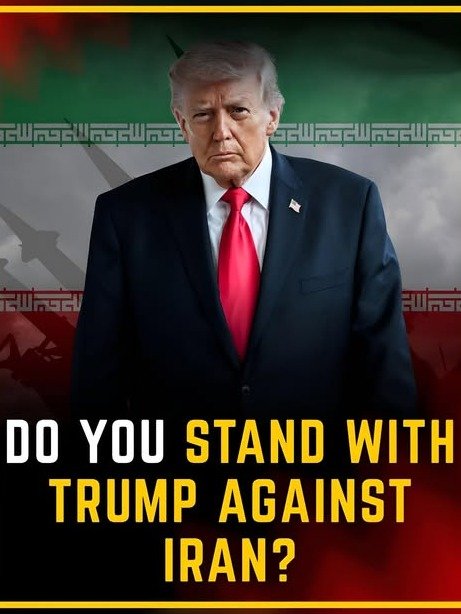
The geopolitical chessboard is buzzing with an unsettling tension, and at its heart lies Iran. Whispers of escalation are growing louder, prompting serious questions about the path forward. But it’s not just the international stage where concerns are mounting; right here at home, the United States finds itself deeply fractured on how to navigate this perilous situation. The stakes couldn’t be higher, and the lack of a unified front could have far-reaching consequences for global stability and even your daily life.
From diplomatic back channels to fiery political debates, the responses to Iran’s actions and ambitions are as varied as they are passionate. While some advocate for unwavering pressure and decisive action, others champion dialogue and de-escalation. This profound ideological chasm within American politics is not merely an academic discussion; it directly influences policy decisions that could determine the future of a volatile region and potentially reshape international relations for decades to come. Understanding these divisions is crucial to grasping the true complexity of the challenge we face.
The Shadow of Escalation: What’s Fueling the Tensions?
For years, the relationship between the U.S. and Iran has been a tightrope walk, often teetering on the edge of outright conflict. Recent developments have only tightened that rope, making the balancing act even more precarious. Iran’s nuclear program remains a central flashpoint, with international watchdogs expressing alarm over its rapid advancements and reduced transparency. The 2015 Joint Comprehensive Plan of Action (JCPOA), designed to curb Iran’s nuclear ambitions, has been severely weakened, leading to a renewed sense of urgency and fear.
Beyond its nuclear activities, Iran’s regional influence is another significant source of friction. Through various proxy groups in countries like Iraq, Syria, Lebanon, and Yemen, Tehran projects power and challenges the interests of the U.S. and its allies, particularly Israel and Saudi Arabia. These actions often lead to tit-for-tat confrontations, cyberattacks, and even direct military skirmishes that threaten to spiral out of control. The Strait of Hormuz, a vital global shipping lane for oil, frequently becomes a stage for these dangerous encounters, impacting global energy markets.
A Nation Divided: The American Political Landscape
The intricate web of U.S. policy towards Iran is further complicated by the stark ideological differences within American politics. On one side, a more hawkish faction, often associated with conservative circles and a segment of the Republican Party, argues for a robust, assertive stance. They believe that Iran’s current regime is inherently hostile and untrustworthy, and that only maximum pressure, including stringent economic sanctions and the credible threat of military force, can deter its malign activities.
This perspective frequently emphasizes regime change as an ultimate goal, or at least a significant weakening of the current leadership. Proponents of this view often point to Iran’s human rights record, its support for terrorist organizations, and its anti-Western rhetoric as reasons why diplomacy is futile without overwhelming leverage. They advocate for isolating Iran on the world stage and preventing it from acquiring advanced weaponry or nuclear capabilities at all costs, even if it means risking direct confrontation.
The Call for Diplomacy: An Alternative Path
Conversely, a more dovish approach, largely favored by progressives and a significant portion of the Democratic Party, prioritizes diplomacy, de-escalation, and multilateral engagement. This camp argues that dialogue is the only sustainable path to managing tensions and preventing a catastrophic war. They often advocate for a return to the negotiating table, potentially reviving a modified version of the JCPOA, and exploring avenues for sanctions relief in exchange for verifiable concessions from Iran.
Those who champion diplomacy warn against the dangers of military intervention, highlighting the immense human and economic costs, and the potential for unintended consequences that could destabilize the entire Middle East. They believe that isolating Iran completely only serves to harden its stance and empower hardliners, whereas engagement could foster greater understanding and create opportunities for moderation. This perspective often emphasizes the importance of working with international partners and avoiding unilateral actions.
Public Opinion: A Mirror of Disagreement
These political divisions are not confined to the halls of power; they resonate deeply with the American public. Polling data frequently reveals a nuanced, yet fractured, public opinion on Iran. While there’s broad agreement that Iran’s nuclear program is a concern, there’s significant disagreement on the best method to address it. Some Americans express weariness of endless foreign entanglements and prefer a non-interventionist approach, while others feel a moral imperative to confront regimes perceived as threats.
Furthermore, public trust in the government’s handling of complex foreign policy issues often varies along partisan lines. A Republican administration’s approach might be viewed favorably by its base but met with skepticism by Democrats, and vice-versa. This further complicates the ability of any administration to forge a cohesive and broadly supported strategy, making it difficult to project a united front to adversaries and allies alike.
Economic Leverage vs. Humanitarian Concerns
Economic sanctions have long been a primary tool in the U.S. toolkit against Iran. Proponents argue that these measures cripple Iran’s ability to fund its nuclear program and regional proxies, forcing it to choose between economic stability and its more aggressive ambitions. They believe that sanctions are a non-military way to exert significant pressure, and that easing them would only embolden the regime.
However, critics of sweeping sanctions raise significant humanitarian concerns, arguing that these measures disproportionately harm ordinary Iranian citizens, limiting access to essential goods, medicine, and economic opportunities. They contend that this suffering can breed resentment towards the U.S. and inadvertently strengthen the regime’s narrative of external aggression, making future diplomatic efforts even harder. Finding the right balance between pressure and humanitarian considerations is a constant, contentious debate.
The Regional Ripple Effect: Allies and Adversaries
The internal U.S. debate also has significant implications for its relationships with allies and adversaries in the Middle East. Countries like Israel and Saudi Arabia, who view Iran as an existential threat, often prefer a more aggressive U.S. posture, advocating for stronger sanctions and military deterrence. They are wary of any diplomatic overtures that they perceive as concessions to Tehran.
On the other hand, European allies, while sharing concerns about Iran’s nuclear program, generally favor a diplomatic solution and have often sought to preserve the JCPOA, even after the U.S. withdrawal. They often express apprehension about unilateral U.S. actions that could destabilize the region further or undermine international agreements. The U.S. must navigate these divergent allied perspectives, which adds another layer of complexity to its policy formulation.
Navigating the Path Forward: A Precarious Balance
Given these profound internal divisions and external pressures, charting a coherent and effective path forward for U.S. policy toward Iran is an immense challenge. Any strategy adopted by a U.S. administration will likely face significant opposition from within its own borders, potentially undermining its efficacy on the global stage. The lack of bipartisan consensus makes it difficult to establish long-term, consistent policies, leading to whiplash as administrations change.
The current situation demands a delicate balance: maintaining pressure to prevent nuclear proliferation and regional destabilization, while simultaneously keeping diplomatic channels open to avoid a costly and devastating conflict. The choices made in Washington today, influenced by these deep-seated divisions, will undoubtedly shape the future of the Middle East and have profound implications for global security for years to come. It’s a crisis that demands our full attention, for its ripples will touch us all.
About the Author




