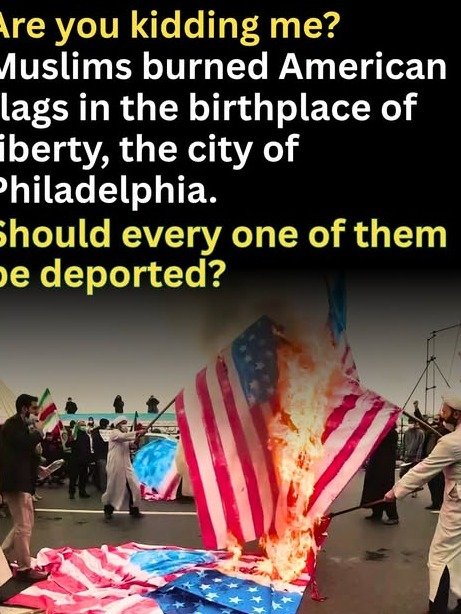
Imagine the crackle of fireworks, the scent of barbecue, and the joyous celebrations of Independence Day. Now, picture a starkly different scene: American flags engulfed in flames, not in a distant land, but right outside Philadelphia’s historic City Hall. This was the shocking reality that unfolded on July 4th, as anti-Israel demonstrators ignited a firestorm of controversy, drawing national attention and igniting a fierce debate about patriotism, protest, and free speech.
The incident, which quickly went viral across social media platforms and news outlets, left many Americans reeling. On a day traditionally dedicated to celebrating national unity and freedom, the sight of the nation’s symbol being desecrated struck a raw nerve, sparking outrage from local residents to national political figures.
A Day of Celebration Turned Confrontation
The events of July 4th in Philadelphia began like many other protests seen in major cities. A group of anti-Israel demonstrators gathered outside City Hall, their voices raised in opposition to Israeli policies and actions. These protests have become increasingly common in recent months, reflecting deeply held convictions regarding geopolitical conflicts in the Middle East.
However, the demonstration took a profoundly confrontational turn when, amidst the chants and signs, several American flags were brought out and deliberately set ablaze. The flames, captured on countless cell phone cameras, quickly became a searing image that transcended the local protest, becoming a symbol of a deeper national divide.
The Symbolism Ignited: More Than Just Fabric
For many, the American flag represents the sacrifices of servicemen and women, the ideals of liberty and justice, and the collective history of the United States. Its burning, particularly on Independence Day, is seen not merely as an act of protest against specific government policies, but as a profound disrespect to the nation itself, its veterans, and its foundational principles.
The location added another layer of potent symbolism. Philadelphia, often called the birthplace of American independence, is where the Declaration of Independence was signed and the Constitution was drafted. To witness such an act of defiance in the shadow of these historic landmarks amplified the sense of betrayal and anger for many observers.
“To see our flag, a symbol of our freedom and the sacrifices made for it, burned in the very city where our nation was born, is an absolute disgrace,” one local veteran was quoted as saying, encapsulating the widespread sentiment of dismay.
National Outcry and Political Condemnation
As images and videos of the flag burning spread, the reaction was swift and unequivocal across the political spectrum. Local Philadelphia officials, including Mayor Cherelle Parker, condemned the act, emphasizing the importance of respecting national symbols even amidst protest.
The incident quickly escalated to national headlines, drawing condemnation from federal lawmakers and public figures. Many commentators highlighted the stark contrast between the celebratory spirit of July 4th and the divisive nature of the protest, questioning the effectiveness and appropriateness of such extreme acts of dissent.
The controversy reignited long-standing debates about the boundaries of free speech and the line between expressing dissent and disrespecting national symbols. While the Supreme Court has affirmed flag burning as a form of protected speech under the First Amendment, the emotional impact of such acts remains a deeply contentious issue for millions of Americans.
Free Speech vs. Patriotism: A Lingering Tension
The legal protection afforded to flag burning stems from landmark Supreme Court cases like Texas v. Johnson (1989), which ruled that such acts constitute expressive conduct protected by the First Amendment. This legal precedent means that while the act itself may be deeply offensive to many, it is generally not prosecutable as a crime solely for the act of burning the flag.
However, the legal standing does little to assuage the emotional pain and anger felt by those who view the flag as sacred. This creates a persistent tension in American society: how to balance the fundamental right to protest and express dissent, even in its most provocative forms, with the deeply held reverence for national symbols and the desire for social cohesion.
- Freedom of Expression: Proponents of flag burning as protected speech argue it is a powerful, albeit extreme, way to voice opposition to government policies without fear of reprisal.
- Symbolic Disrespect: Opponents argue that while speech is free, certain acts cross a line into profound disrespect for the nation, its history, and those who have served it.
The Philadelphia incident served as a potent reminder that while the legal debate may be settled, the cultural and emotional debate over flag desecration is far from over.
The Broader Context: Geopolitical Tensions and Domestic Divides
The anti-Israel nature of the protest adds another layer of complexity to the incident. The ongoing conflict in the Middle East has deeply polarized communities worldwide, and the United States is no exception. Protests expressing solidarity with Palestinians and condemnation of Israeli actions have become a regular feature in American cities.
This particular demonstration, however, transcended the specific geopolitical issue by incorporating the highly charged act of flag burning. It merged international grievances with domestic symbolism, amplifying the message but also alienating a significant portion of the public who might otherwise be sympathetic to certain aspects of the protest’s message.
The incident became a flashpoint, not just for the anti-Israel movement, but for the broader discussion about how protests should be conducted, what constitutes effective activism, and the potential for certain actions to overshadow or undermine the intended message.
Philadelphia’s Reflection: A City Grappling with Its Identity
As the ‘Cradle of Liberty,’ Philadelphia often finds itself at the epicenter of national debates about freedom and justice. The July 4th flag burning forced the city to confront uncomfortable questions about its identity and its role in an increasingly polarized nation.
The incident prompted discussions within Philadelphia about how to foster respectful dialogue, even among those with vastly different viewpoints. It highlighted the challenges of balancing a city’s historical legacy of independence and civic engagement with the realities of modern, often contentious, forms of protest.
While the immediate outrage may subside, the memory of American flags burning outside City Hall on Independence Day will likely linger, serving as a powerful, unsettling image in the ongoing narrative of American patriotism and protest.
Moving Forward: The Unresolved Debate
The Philadelphia flag burning incident on July 4th was more than just a local protest; it was a national event that laid bare deep societal fissures. It forced a confrontation between fundamental rights, cherished symbols, and fervent political convictions.
As the nation continues to navigate complex geopolitical issues and domestic disagreements, the incident serves as a stark reminder of the power of symbols and the profound emotional impact they carry. It underscores the ongoing, often painful, conversation Americans must have about how to express dissent, honor their country, and find common ground in a deeply divided world. The flames may have died down, but the debate they ignited continues to burn brightly.
About the Author




