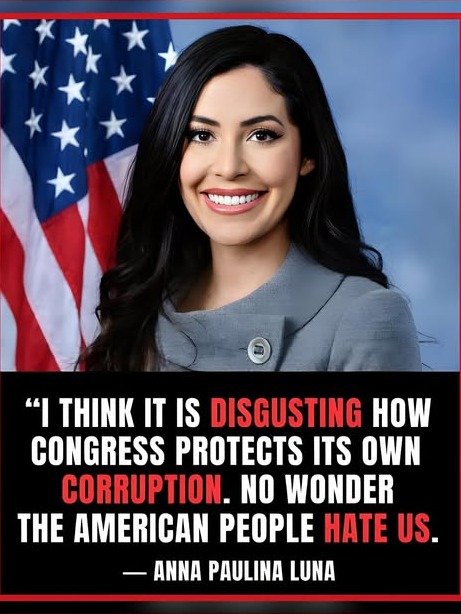
Ever wondered what truly goes on behind the closed doors of Capitol Hill? Beyond the debates and policy battles lies a complex, often unseen world of ethics and accountability that shapes our nation’s future. The integrity of our elected officials isn’t just a talking point; it’s the bedrock of a functioning democracy, and its erosion has profound consequences for every single citizen.
You might think ethics are a given for those entrusted with immense power, but the reality is far more intricate. Understanding the rules, the breaches, and the systems (or lack thereof) designed to uphold ethical standards is crucial for anyone who cares about the future of their country. Prepare to uncover the hidden truths about congressional conduct and why your awareness is more important than ever.
Understanding the Bedrock of Democracy: What Are Congressional Ethics?
Congressional ethics refer to the set of moral principles and rules of conduct that govern the behavior of members of the U.S. House of Representatives and the Senate. These standards are designed to ensure that elected officials act in the public interest, free from personal gain, conflicts of interest, and undue influence. They are the invisible guardrails of legislative power.
These principles are codified in various statutes, chamber rules, and codes of conduct, aiming to prevent corruption, promote transparency, and maintain public trust. While some rules are explicit, others rely on a broader sense of integrity and the spirit of public service. It’s a delicate balance between legal compliance and moral obligation.
The core idea is simple: those who serve the public must prioritize the public good above all else. This includes avoiding situations where personal financial interests could sway legislative decisions or where official positions could be used for private benefit. The health of our democracy hinges on this fundamental premise.
The Silent Erosion: Why Ethical Lapses Threaten Public Trust
When members of Congress are perceived to violate ethical standards, the impact extends far beyond individual reputations. It chips away at the public’s faith in the entire institution, fostering cynicism and disengagement. This erosion of trust can make citizens feel that their voices don’t matter, and that the system is rigged.
Every scandal, every hint of impropriety, leaves a scar on the collective psyche of the nation. It reinforces the narrative that politicians are self-serving, rather than dedicated public servants. This perception can lead to lower voter turnout, increased political polarization, and a general distrust in government’s ability to solve critical problems.
Ultimately, a government that lacks public trust struggles to govern effectively. Its policies may be met with skepticism, its initiatives resisted, and its legitimacy questioned. The stability and functionality of our democratic system are directly tied to the ethical conduct of its representatives.
The Mechanisms of Accountability: Who Keeps Congress in Check?
To address potential ethical breaches, both the House and the Senate have established ethics committees. These bipartisan bodies are tasked with investigating allegations of misconduct, issuing advisory opinions, and recommending disciplinary actions, which can range from a letter of reprimand to expulsion from the chamber.
Beyond internal mechanisms, external watchdogs and government agencies also play a vital role. The Department of Justice can investigate and prosecute criminal misconduct, while independent organizations and the media often bring potential ethical violations to light, sparking public debate and official inquiries. These layers of oversight are crucial, though often imperfect.
“Public accountability is not just about punishing wrongdoing; it’s about fostering an environment where ethical conduct is the norm, not the exception.”
However, the effectiveness of these accountability mechanisms is frequently debated. Critics argue that internal ethics committees can be slow, overly political, or reluctant to impose serious penalties on their own members. This perceived leniency can further undermine public confidence in the system’s ability to self-regulate.
Navigating the Influence Maze: Lobbying, Money, and Conflicts of Interest
One of the most complex areas of congressional ethics involves the interplay between elected officials, lobbyists, and campaign finance. Lobbying, while a constitutionally protected right, presents a constant challenge in distinguishing legitimate advocacy from undue influence. The sheer volume of money in politics creates a fertile ground for potential conflicts.
Members of Congress are constantly interacting with special interest groups and donors, many of whom have significant financial stakes in legislative outcomes. Rules exist to prohibit quid pro quo corruption, but the lines between legal influence and unethical persuasion can often seem blurred to the public.
Conflicts of interest arise when a legislator’s personal financial holdings, family relationships, or outside employment could be affected by their official duties. While members are required to disclose certain financial information, the potential for undisclosed or indirect conflicts remains a persistent concern. For instance, voting on legislation that could directly benefit a stock they own, or a company a family member works for, creates a clear ethical dilemma.
Campaign finance laws attempt to regulate the flow of money into political campaigns, aiming to prevent corruption and ensure fair elections. However, loopholes, the rise of Super PACs, and unlimited
About the Author




