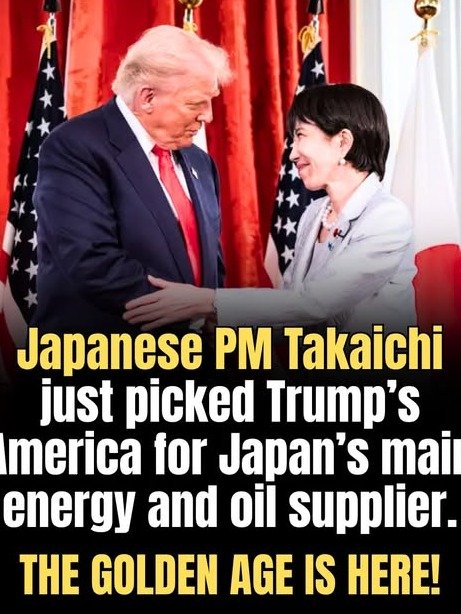
Imagine a world where the lights flicker, factories grind to a halt, and daily life is thrown into chaos, all because of a distant conflict. For Japan, this isn’t a hypothetical nightmare—it’s a stark reality driving a monumental, yet often overlooked, shift in its energy strategy. As war pressures intensify across the Middle East, a crucial pivot is underway, with Japan increasingly turning its gaze across the Pacific to America as its preferred energy partner. This isn’t just about fuel; it’s about national security, economic stability, and the very fabric of global alliances.
A recent report by Reuters highlighted a significant development: Japan’s Minister of Economic Security, Sanae Takaichi, is actively considering deeper energy cooperation with the United States. This isn’t a casual consideration; it represents a strategic re-evaluation of Japan’s fundamental energy supply lines. The implications are profound, suggesting a calculated move away from volatile Middle Eastern sources towards the more stable, abundant supplies offered by the American energy boom. The world is watching as Japan makes a bold statement about where its future security lies.
The Shifting Sands of Global Energy
For decades, Japan’s economic miracle was fueled by oil and gas from the Middle East. This reliance, however, came with inherent vulnerabilities. Geopolitical instability, regional conflicts, and the ever-present threat to vital shipping lanes like the Strait of Hormuz have always cast a long shadow over Japan’s energy security. Any disruption in this critical supply chain could send shockwaves through the Japanese economy, impacting everything from manufacturing to daily household life.
The current landscape in the Middle East is perhaps more volatile than it has been in years. Escalating tensions, including the ongoing conflict in Gaza, the broader regional proxy wars, and the recent Houthi attacks on shipping in the Red Sea, have brought these vulnerabilities into sharp focus. These events aren’t just headlines; they represent tangible threats to the arteries of global energy trade, forcing nations like Japan to confront their dependencies head-on.
Japan’s Vulnerable Lifeline
Japan, a nation rich in innovation but poor in domestic energy resources, imports nearly all its fossil fuels. This makes it exceptionally sensitive to global energy price fluctuations and supply disruptions. Its industrial powerhouses—automotive, electronics, heavy machinery—all depend on a steady, affordable flow of energy. Any prolonged interruption could trigger an economic crisis of immense proportions, leading to factory shutdowns, widespread unemployment, and a significant blow to global supply chains.
The current situation in the Red Sea, where Houthi rebels have launched drone and missile attacks on commercial vessels, serves as a stark reminder of these dangers. Shipping companies have been forced to reroute around the Cape of Good Hope, adding weeks to transit times and significantly increasing costs. While the Strait of Hormuz, through which a substantial portion of the world’s oil passes, remains relatively open, the precedent set by the Red Sea attacks amplifies fears of similar disruptions in even more critical choke points.
America’s Energy Abundance: A Beacon of Stability
Enter the United States, a nation that has undergone an incredible energy transformation in the last two decades. Thanks to the shale revolution, America has emerged not only as a leading oil producer but also as a burgeoning exporter of liquefied natural gas (LNG). This newfound energy independence and export capability present a compelling alternative for energy-hungry nations like Japan, offering a geographically diverse and politically stable source of supply.
The sheer scale of U.S. energy production offers a level of reliability that few other regions can match. Unlike the Middle East, where geopolitical disputes can quickly impact production and export capabilities, the U.S. energy sector operates within a stable political environment. This stability translates directly into enhanced energy security for its partners, reducing the risks associated with volatile regions and unpredictable supply chains.
The Strategic Calculus: Beyond Just Fuel
Japan’s strategic shift isn’t merely about securing energy; it’s a multifaceted decision with profound geopolitical implications. By deepening its energy ties with the U.S., Japan achieves several critical objectives:
- Diversification of Supply: Reducing over-reliance on any single region, particularly one as volatile as the Middle East, mitigates risk.
- Enhanced Energy Security: Access to a stable and abundant supplier like the U.S. provides a crucial buffer against global disruptions.
- Strengthening Alliances: Energy cooperation bolsters the already robust U.S.-Japan security alliance, creating a deeper, more interdependent relationship.
- Economic Stability: Predictable energy supplies help stabilize domestic industries and protect the Japanese economy from external shocks.
This move underscores a broader trend among U.S. allies to fortify their supply chains and reduce dependencies on potentially hostile or unstable regions. It’s a pragmatic response to a world where economic leverage and strategic resources are increasingly intertwined with national security objectives.
The Mechanics of the Pivot: LNG Takes Center Stage
While crude oil remains vital, a significant part of Japan’s pivot to the U.S. involves liquefied natural gas (LNG). Japan is one of the world’s largest LNG importers, and the U.S. has rapidly become a major LNG exporter. The process of shipping LNG involves supercooling natural gas to a liquid state, allowing it to be transported by specialized tankers across vast oceans. Upon arrival, it’s regasified and fed into national grids.
The development of new LNG export terminals in the U.S. and import terminals in Japan is crucial for facilitating this strategic shift. Long-term contracts for LNG supply provide Japan with price predictability and guaranteed volumes, further insulating its energy market from short-term geopolitical shocks. This infrastructure investment, though significant, is viewed as a necessary cost for long-term national security.
Challenges and Considerations Ahead
While the benefits of this strategic shift are clear, the path is not without its challenges. The logistical complexities of transporting energy across the Pacific are substantial. This includes:
- Shipping Costs: Longer routes from the U.S. to Japan generally incur higher shipping costs compared to shorter routes from the Middle East.
- Infrastructure Development: Both countries need to continue investing in and expanding their respective export and import terminal capacities, as well as the necessary pipeline networks.
- Environmental Concerns: The increased reliance on fossil fuels, even from a stable source, raises questions about Japan’s long-term decarbonization goals and its commitments under international climate agreements.
- Market Dynamics: Global LNG markets are competitive, and securing favorable long-term contracts requires careful negotiation and strategic foresight.
Japan must carefully balance its immediate energy security needs with its longer-term environmental aspirations. This often involves exploring a mix of energy sources, including renewables and potentially nuclear power, alongside its fossil fuel imports.
A Broader Geopolitical Reordering
This energy pivot is more than just an economic decision; it’s a powerful statement about the evolving global order. It signals Japan’s unwavering commitment to its alliance with the United States and its determination to build resilience against the backdrop of an increasingly fractured world. By strengthening this energy axis, both nations reinforce their mutual security and economic interests, creating a formidable bloc in the Indo-Pacific region.
The move also sends a clear message to other global powers about the importance of stable energy supplies and reliable partnerships. As nations grapple with climate change, geopolitical rivalries, and economic uncertainties, the quest for energy security will continue to shape international relations and drive strategic realignments. Japan’s decision is a leading indicator of this broader geopolitical reordering.
The Future of Japan’s Energy Landscape
Looking ahead, Japan’s energy strategy will likely continue to evolve, integrating this enhanced U.S. partnership with ongoing efforts in renewable energy, hydrogen technology, and nuclear power revitalization. The goal remains constant: to achieve a robust, diversified, and resilient energy mix that can withstand future global shocks.
The strategic shift towards American energy is a testament to Japan’s proactive approach to national security and economic stability. It’s a move born out of necessity but forged with foresight, promising a more secure and predictable energy future for one of the world’s leading economies, while simultaneously deepening one of its most critical alliances. The world watches as this powerful partnership strengthens, ready to navigate the turbulent waters of the 21st century.
About the Author




