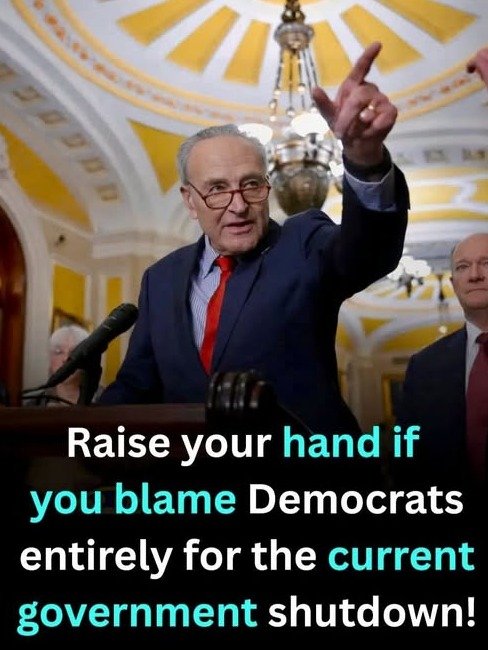
Imagine waking up one morning to find your paycheck delayed, national parks closed, and critical government services grinding to a halt. This isn’t a dystopian novel; it’s the stark reality for millions of Americans whenever a government shutdown grips the nation. Once again, the specter of a federal government shutdown has ignited a firestorm of political debate across the United States, leaving countless citizens frustrated and deeply concerned about the stability of essential services.
The recurring cycle of these shutdowns isn’t just a headline—it’s a profound disruption that touches every corner of society, from federal employees wondering how they’ll pay their bills to businesses facing unexpected economic headwinds. It’s a crisis that goes far beyond partisan squabbles, revealing deep vulnerabilities in our system and forcing us to confront the true cost of political gridlock.
What Exactly Is a Government Shutdown?
At its core, a government shutdown occurs when Congress fails to pass legislation appropriating funds for the upcoming fiscal year, or when the President refuses to sign such legislation, by the deadline. Without legally authorized funding, non-essential government agencies and services must cease operations. This isn’t a discretionary choice; it’s mandated by the Antideficiency Act, which prohibits federal agencies from incurring obligations or expending federal funds in advance of an appropriation.
While the term “shutdown” might sound like a complete cessation, it’s more nuanced. Essential services, deemed necessary to protect life and property, typically continue. This includes vital functions like national security, law enforcement, air traffic control, and emergency medical care. However, even these operations often run on a skeleton crew, with many employees working without pay, creating immense stress and uncertainty.
The Root Causes: Why Do They Keep Happening?
Government shutdowns are rarely accidental; they are almost always the result of intense political disagreements. The primary driver is often a stalemate over the federal budget, where opposing parties or branches of government cannot agree on spending levels, priorities, or specific policy riders attached to appropriations bills. These disagreements can stem from fundamental ideological differences on government’s role, taxation, or social programs.
Another significant cause is the use of the budget process as a tool for political leverage. One party might threaten a shutdown to force concessions on unrelated policy issues, such as immigration reform, healthcare legislation, or specific regulatory changes. This high-stakes brinkmanship often leaves little room for compromise, leading to protracted negotiations and, ultimately, a shutdown.
“The recurring nature of government shutdowns has transformed a once-unthinkable event into a predictable, yet no less damaging, feature of American politics.” – Political Analyst, Dr. Evelyn Reed
Who Feels the Immediate Impact? Federal Employees and Their Families
Perhaps the most immediate and devastating impact of a shutdown is felt by the hundreds of thousands of federal employees. Those deemed “non-essential” are furloughed, meaning they are sent home without pay. “Essential” employees, like TSA agents, border patrol, and some healthcare workers, are often required to work without pay, unsure when their next paycheck will arrive.
For many federal families, living paycheck to paycheck, this sudden loss of income is catastrophic. It can lead to:
- Missed Rent or Mortgage Payments: The threat of eviction looms large.
- Food Insecurity: Families struggle to put food on the table.
- Delayed Bills: Utilities, car payments, and other essential expenses pile up.
- Mental Health Strain: The uncertainty and financial stress take a heavy toll.
The ripple effect extends beyond their immediate families, impacting local businesses in communities heavily reliant on federal salaries.
Beyond Paychecks: The Broader Economic Fallout
The economic consequences of a government shutdown extend far beyond individual federal employees. Every day the government is shut down, it exacts a toll on the national economy. Economic analyses often point to a measurable reduction in GDP growth during and immediately after a shutdown.
Consider these economic impacts:
- Reduced Consumer Spending: Furloughed workers and those working without pay drastically cut back on discretionary spending, hurting local retailers, restaurants, and service industries.
- Delayed Contracts and Projects: Government contractors face uncertainty, project approvals stall, and new contracts are put on hold, affecting private sector jobs.
- Impact on Small Businesses: Many small businesses rely on federal loans, permits, or contracts. A shutdown can halt these processes, jeopardizing their operations and growth.
- Erosion of Confidence: The constant political instability can shake investor confidence, potentially leading to market volatility and discouraging long-term economic planning.
The cumulative effect is a slowdown that can take months to recover from, even after the government reopens.
Disruption of Essential Public Services
While some services are deemed essential, a vast array of critical public services are significantly curtailed or completely halted during a shutdown. This directly affects the public:
- National Parks and Museums: Often closed or operating with minimal staff, impacting tourism and access to public spaces.
- Scientific Research: Federal research grants are frozen, labs close, and vital scientific studies are delayed, potentially costing years of progress.
- IRS Operations: Tax refunds can be delayed, and taxpayer assistance services are limited, causing frustration and financial complications for millions.
- Food Safety Inspections: While some critical inspections continue, others may be reduced, raising concerns about public health.
- Visa and Passport Processing: Delays can disrupt international travel and business, impacting individuals and global commerce.
The public perception often shifts from frustration to outright anger as these everyday functions, which citizens pay for through taxes, become unavailable or unreliable.
A Look Back: History’s Warning Signs
Government shutdowns are not a new phenomenon in American politics. We’ve seen numerous shutdowns of varying lengths and impacts over the decades. The 1995-1996 shutdown, under President Clinton, lasted 21 days and was largely driven by budget disagreements with a Republican-controlled Congress. More recently, the 2018-2019 shutdown, under President Trump, stretched for a record-breaking 35 days, primarily over funding for a border wall.
Each historical instance serves as a stark reminder that these events are not mere political theater; they have tangible, often painful, consequences. They highlight a recurring failure of political leadership to find common ground and prioritize the functioning of government over partisan agendas.
The Erosion of Public Trust and Governance
Beyond the immediate financial and service disruptions, government shutdowns inflict a deeper, more insidious damage: the erosion of public trust in governmental institutions. When elected officials repeatedly fail to fulfill their most basic duty—funding the government—it sends a powerful message of dysfunction and incompetence.
This breakdown of trust can lead to:
- Increased Cynicism: Citizens become more cynical about the political process and the ability of their leaders to govern effectively.
- Voter Apathy: Frustration can translate into disengagement, as people feel their votes and voices no longer matter.
- Damage to America’s Image: Internationally, these shutdowns can project an image of instability and unreliability, potentially impacting diplomatic relations and global economic standing.
Ultimately, the repeated use of shutdowns as a negotiating tactic weakens the very foundations of democratic governance.
Finding a Path Forward: Preventing Future Shutdowns
The question isn’t just about surviving the current shutdown, but how to prevent future ones. Solutions are complex and require a fundamental shift in political culture. Some proposed approaches include:
- Automatic Continuing Resolutions: Implementing a mechanism that automatically funds the government at previous levels if a new budget isn’t passed, removing the shutdown as a negotiating tool.
- Bipartisan Budget Agreements: Encouraging early, good-faith negotiations between parties to establish a framework for spending well in advance of deadlines.
- Reforming Senate Rules: Addressing issues like the filibuster, which can make it exceedingly difficult to pass appropriations bills with simple majorities.
- Public Pressure: Sustained public outcry and holding elected officials accountable for their roles in gridlock can compel compromise.
While no single solution is a silver bullet, a combination of these efforts could help steer the nation away from the precipice of recurring shutdowns.
The Bottom Line: Why You Should Care
The ongoing government shutdown isn’t just a political talking point confined to Washington D.C.; it’s a direct threat to your financial stability, your access to essential services, and the overall health of our nation. It underscores a critical need for our elected leaders to move beyond partisan squabbles and prioritize the well-being of the American people.
As citizens, understanding the true costs and implications of these shutdowns is the first step toward demanding greater accountability and advocating for a more stable, functional government. Your life, your money, and the future of critical services depend on it. Don’t let the headlines numb you to the very real impact unfolding around us.
About the Author




