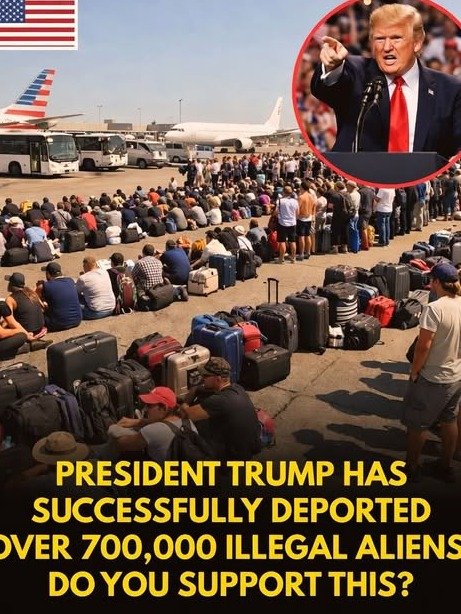
Few political topics ignite such fierce debate as immigration, and perhaps no recent administration’s approach sparked more controversy than Donald Trump’s. His presidency promised a radical shift towards ‘America First’ border security, vowing to restore law and order through unprecedented enforcement. This era saw a dramatic increase in rhetoric and action aimed at curbing undocumented immigration, fundamentally reshaping the national conversation and the lives of millions.
The question at the heart of this intense discussion is whether these stringent measures achieved their stated goals. Did they truly secure the border, deter illegal crossings, and streamline the immigration system? Or did they instead create a humanitarian crisis, strain international relations, and fail to address the root causes of migration? Understanding the full scope requires examining both the arguments of its proponents and the criticisms leveled against it.
The Argument for Stricter Enforcement: Restoring Law and Order
For supporters of Donald Trump’s immigration policies, the rationale was clear: the United States needed to reassert control over its borders and enforce existing laws. They argued that previous administrations had been too lax, leading to an uncontrolled influx of undocumented immigrants that strained public resources and threatened national security. The belief was that a strong, unequivocal stance was necessary to deter future illegal crossings and uphold the rule of law.
Proponents pointed to data indicating increased removals of undocumented immigrants as a sign of success. They emphasized that stricter enforcement by agencies like Immigration and Customs Enforcement (ICE) and Customs and Border Protection (CBP) was not about cruelty, but about ensuring that those who entered the country did so legally. This approach, they believed, would ultimately create a more orderly and secure society for everyone.
“We are a nation of laws, and we must have a border,” President Trump frequently stated, encapsulating the core belief that national sovereignty depended on robust border control.
The administration’s focus on ‘ending catch and release’ — a practice where asylum seekers were released into the U.S. interior while their cases proceeded — was a cornerstone of this strategy. They argued that this practice incentivized false asylum claims and overwhelmed the legal system. By making it harder for individuals to remain in the U.S. after crossing, the aim was to significantly reduce the motivation for illegal entry.
Key Policies and Their Intended Impact
Several landmark policies defined the Trump administration’s approach. The most visible was the push to construct a wall along the U.S.-Mexico border, a central campaign promise. Supporters viewed the wall as an essential physical barrier that would deter crossings, drug trafficking, and human smuggling, thereby enhancing national security and reducing the burden on border patrol agents.
Another significant policy was the ‘Remain in Mexico’ program, officially known as the Migrant Protection Protocols (MPP). This policy required non-Mexican asylum seekers to wait in Mexico for their U.S. immigration court hearings. The administration argued that MPP was crucial for ending the ‘catch and release’ system, reducing fraudulent asylum claims, and easing the strain on U.S. detention facilities.
- Increased Deportations: A stated goal was to boost the number of deportations, particularly of individuals with criminal records.
- Travel Ban: Executive Orders restricting entry from several Muslim-majority countries, justified on national security grounds.
- Enhanced ICE Raids: Greater enforcement within the U.S. interior targeting undocumented immigrants.
- Border Wall Construction: A physical barrier intended to deter illegal crossings.
The administration also challenged the Deferred Action for Childhood Arrivals (DACA) program, which protected certain young undocumented immigrants from deportation. While court battles largely prevented its termination, the attempts signaled a broader commitment to ending what proponents saw as ‘amnesty’ programs and upholding the principle of legal immigration pathways only.
The Criticisms: Humanitarian Concerns and Effectiveness Debates
While proponents lauded the administration’s tough stance, critics raised significant concerns about the humanitarian cost and the actual effectiveness of the policies. Organizations advocating for immigrant rights, international bodies, and many Democratic lawmakers condemned the measures as cruel, inhumane, and often in violation of international law.
The ‘zero tolerance’ policy at the border, which led to the separation of thousands of children from their parents, became a particularly contentious issue. Critics argued that this policy inflicted severe psychological trauma on families and tarnished America’s image as a compassionate nation. They contended that such measures were not only morally reprehensible but also failed to act as a sustainable deterrent.
“Family separation is a moral stain on our nation,” asserted numerous human rights organizations, highlighting the profound ethical dilemmas posed by the policy.
The ‘Remain in Mexico’ program also drew heavy criticism. Opponents argued that it forced vulnerable asylum seekers, including women and children, to wait in dangerous conditions in Mexican border towns, where they were often targets of violence, extortion, and kidnapping. They contended that the policy effectively denied legitimate asylum seekers due process and access to safety.
Economic and Social Repercussions
Beyond humanitarian concerns, critics pointed to potential economic and social repercussions. While proponents argued that stricter enforcement protected American jobs, opponents countered that it created labor shortages in sectors heavily reliant on immigrant workers, such as agriculture and construction. Fear among immigrant communities, they argued, also led to reduced participation in public services and a breakdown of trust with law enforcement.
The extensive resources allocated to border wall construction and increased enforcement were also questioned. Critics argued that these funds could have been better spent on addressing the root causes of migration in Central American countries or on improving the efficiency of the legal immigration system. The economic impact on border communities, which often rely on cross-border trade and labor, was another area of concern.
- Family Separation Trauma: Long-term psychological effects on children and parents.
- Asylum Access Denied: Concerns over the right to seek asylum under international and U.S. law.
- Economic Disruption: Labor shortages and impact on specific industries.
- International Image: Damage to the U.S.’s reputation as a welcoming nation.
Moreover, the travel ban faced numerous legal challenges and was criticized for being discriminatory. While eventually upheld in a modified form by the Supreme Court, it fueled accusations of religious bias and created significant uncertainty for individuals and families attempting to enter the U.S. from affected countries.
The Lingering Legacy and Ongoing Debate
Donald Trump’s immigration policies undoubtedly left an indelible mark on the United States and its relationship with the world. While proponents maintain that a strong stance was essential for national security and the rule of law, critics continue to highlight the profound human cost and question the long-term efficacy of such aggressive tactics. The debate over whether these policies ‘worked’ remains deeply polarized, with different metrics and values guiding each perspective.
The legacy of this era continues to influence immigration policy discussions today, shaping subsequent administrations’ approaches and fueling ongoing legal battles. The fundamental tension between border security and humanitarian concerns, between national sovereignty and international obligations, persists. As the nation grapples with complex global migration patterns, the lessons and controversies of the Trump years offer a critical, if often painful, case study in the challenges of modern immigration governance.
Ultimately, the question of whether Trump’s immigration crackdown ‘worked’ depends on how one defines success. For those prioritizing national sovereignty and the strict enforcement of laws, the increased removals and attempts to deter illegal crossings were a necessary, even successful, step. For those focused on human rights, due process, and compassionate treatment, the policies represented a significant moral failure and a step backward for American values. The truth, as often is the case, lies in the complex interplay of these often-conflicting perspectives, with no easy answers in sight.
About the Author




