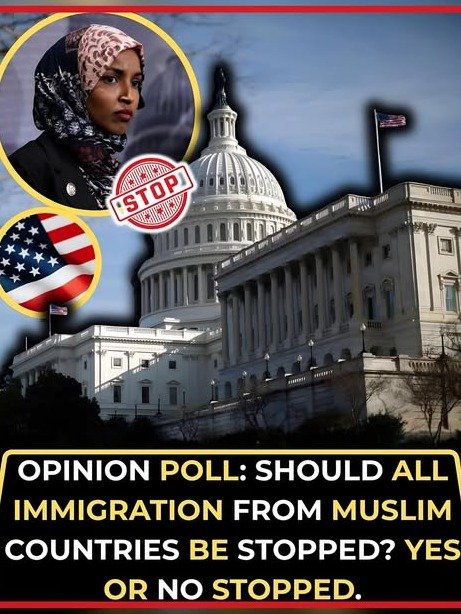
In an increasingly interconnected yet volatile world, the question of national security remains paramount for every sovereign nation. For the United States, a country built on the promise of opportunity and diverse cultures, this discussion often converges on its immigration policies. It’s a debate that transcends political divides, touching the very core of what it means to be American and how best to protect its citizens.
What if the very systems designed to welcome new residents and enrich our society are inadvertently creating vulnerabilities that threaten our collective safety? This isn’t just a political talking point; it’s a critical inquiry into the balance between humanitarian values, economic needs, and the undeniable imperative to keep our nation secure. The stakes are incredibly high, impacting not only our borders but also the fabric of our communities.
The Unending National Conversation: Security vs. Openness
A continuous and often heated national conversation revolves around the efficacy and appropriateness of U.S. immigration policies. On one side, there are fervent calls for stricter controls, driven by concerns that current frameworks may not adequately protect against potential threats. These voices often emphasize the importance of robust vetting processes, secure borders, and a clear understanding of who enters the country.
Conversely, many argue for a more humane and expansive approach, highlighting America’s historical role as a haven for immigrants and refugees. They point to the economic benefits new arrivals bring, the moral obligations to those fleeing persecution, and the potential for overzealous policies to infringe upon fundamental rights. This complex interplay of values and practicalities makes finding common ground incredibly challenging.
Why Security Concerns Are Taking Center Stage
The argument for adjusting U.S. immigration policies, particularly towards stricter enforcement, is largely rooted in a heightened awareness of national security threats. From the specter of international terrorism to the rise of transnational criminal organizations, the landscape of global risks has evolved dramatically. These concerns are not abstract; they represent tangible dangers that policymakers are compelled to address with urgency.
One of the primary anxieties revolves around the potential for individuals with malicious intent to exploit immigration pathways. Whether through asylum systems, visa programs, or unauthorized crossings, the fear is that gaps in screening and enforcement could allow dangerous actors to enter the country undetected. This possibility drives a significant portion of the public and political demand for more stringent measures, advocating for a “safety first” approach.
The Threat of Terrorism and Extremism
The events of 9/11 irrevocably altered the global perception of security, placing terrorism at the forefront of national defense strategies. Since then, various extremist groups, both foreign and domestic, have continued to pose significant threats. The concern is that lax immigration screening could inadvertently facilitate the entry of individuals linked to these groups, or those who could become radicalized within the U.S.
Efforts to prevent such infiltration often involve extensive background checks, intelligence sharing with international partners, and close monitoring of individuals from high-risk regions. However, the sheer volume of applications and entries, combined with the sophisticated tactics of adversarial groups, presents an enormous challenge. Critics argue that current resources and protocols are simply insufficient to guarantee comprehensive security against this evolving threat.
Combating Transnational Crime and Border Vulnerabilities
Beyond terrorism, the U.S. faces significant challenges from transnational criminal organizations (TCOs) involved in drug trafficking, human smuggling, and other illicit activities. These groups often exploit porous borders and manipulate immigration systems to further their operations. The influx of illegal narcotics, for instance, poses a severe public health crisis and strains law enforcement resources across the nation.
Securing the physical border is a key component of addressing these concerns. Debates frequently center on the effectiveness of physical barriers, advanced surveillance technology, and increased personnel. Many argue that a truly secure border is fundamental not just to preventing unauthorized entry but also to disrupting the supply chains of TCOs, thereby enhancing overall national security and public safety within American communities.
The Complexities of Vetting and Intelligence Gaps
A critical aspect of immigration policy, from a security standpoint, is the vetting process. This involves assessing the identity, background, and intentions of every individual seeking to enter or remain in the United States. While extensive procedures are already in place, including biometric data collection, interviews, and database checks, concerns persist about their thoroughness and reliability, particularly for those coming from conflict zones or countries with limited data infrastructure.
Intelligence gaps represent a significant hurdle. Information on individuals in certain parts of the world can be scarce, unreliable, or non-existent, making comprehensive vetting incredibly difficult. This lack of verifiable data creates potential blind spots, leading some to advocate for more restrictive policies until such gaps can be adequately addressed. They argue that caution is paramount when national security is on the line.
America’s Legacy: Humanitarian Values and Economic Contributions
While security concerns are undeniably valid, many argue that an overly restrictive approach to immigration would betray fundamental American values and undermine its economic vitality. The United States has historically been a beacon for those fleeing persecution, seeking a better life, and contributing to the nation’s growth. This legacy forms a powerful counter-narrative in the immigration debate.
Immigrants, both authorized and unauthorized, play a crucial role in the American economy, filling labor gaps, starting businesses, and paying taxes. Studies consistently show that immigration contributes positively to GDP and innovation. Restricting immigration too severely, critics contend, could lead to labor shortages, stifle economic growth, and reduce the diversity of ideas that has historically fueled American progress.
“America has always been a nation of immigrants, and our strength comes from our diversity. We must find a way to secure our borders without closing our hearts or harming our economy.” – A common sentiment expressed by advocates for comprehensive immigration reform.
Balancing Human Rights and National Interests
The discussion also involves profound ethical considerations. When policies are tightened in the name of security, there is a risk of infringing upon the human rights and due process of individuals seeking asylum or legal residency. Families can be separated, legitimate claims can be denied, and vulnerable populations can be placed in greater peril. Striking a balance between protecting national interests and upholding humanitarian principles is a delicate act.
Advocates for more open policies highlight the moral imperative to assist refugees and asylum seekers, particularly those fleeing war, persecution, or natural disasters. They argue that turning away those in dire need goes against the fundamental values of compassion and global responsibility that the U.S. often espouses. This ethical dilemma adds another layer of complexity to an already multifaceted issue.
Finding the Middle Ground: Potential Policy Adjustments
Given the multifaceted nature of the debate, finding pragmatic solutions that address both security concerns and humanitarian values is paramount. Policy adjustments could involve a range of strategies, moving beyond simple “open” or “closed” border rhetoric. The goal is to create a system that is both secure and efficient, upholding national interests while remaining true to American ideals.
- Enhanced Screening Technologies: Investing heavily in cutting-edge biometric scanning, sophisticated AI-powered data analysis, and advanced predictive intelligence tools. These innovations are crucial for improving the accuracy and efficiency of vetting processes, allowing for more thorough checks without creating undue delays for legitimate applicants, and ensuring a robust defense against evolving threats.
- Increased Border Security Resources: This goes beyond physical barriers. It includes deploying more highly trained border patrol agents, utilizing state-of-the-art drones and ground sensors for comprehensive surveillance, and strategically improving infrastructure at key points of entry. The aim is to create a multi-layered defense that effectively deters unauthorized crossings and disrupts illicit activities.
- Strengthened International Intelligence Sharing: Forging and enhancing robust partnerships with allied nations is vital for sharing critical threat intelligence and collaborating on combating transnational crime and terrorism at its source, often before it even reaches U.S. borders. Proactive intelligence cooperation is a cornerstone of modern national security.
- Comprehensive Immigration Reform: A crucial step involves modernizing existing legal immigration pathways to make them more efficient and responsive to national needs. This also means addressing the root causes of irregular migration through diplomatic and economic engagement, and providing clear, streamlined processes for those seeking to enter the country legally, reducing incentives for dangerous unauthorized crossings.
- Targeted Enforcement: Shifting focus from broad-brush enforcement tactics to more precise, intelligence-driven efforts that primarily target individuals who pose a clear and demonstrable security risk. This approach ensures that resources are allocated effectively and minimizes the negative impact on law-abiding immigrant communities, fostering trust rather than fear.
The Economic and Social Ripple Effects
Any significant adjustment to immigration policy carries substantial economic and social ripple effects. Stricter policies, while potentially enhancing security, could lead to labor shortages in critical sectors, increased costs for consumers, and a decline in innovation. Conversely, less stringent policies might face public backlash if perceived security risks materialize.
Socially, the debate profoundly impacts immigrant communities, fostering climates of fear or welcome. Policies that promote integration and provide clear pathways to legal status can strengthen communities, while those perceived as punitive can lead to distrust and alienation. Understanding these broader impacts is crucial for crafting policies that serve the nation’s long-term interests.
A Call for Data-Driven Dialogue and Bipartisan Solutions
Ultimately, navigating the complex intersection of immigration and national security requires a commitment to data-driven decision-making and genuine bipartisan dialogue. Emotional rhetoric and political posturing often obscure the nuanced realities and prevent constructive progress. A comprehensive approach must be informed by expert analysis, economic projections, and a deep understanding of humanitarian principles.
The future of U.S. immigration policy, and by extension, its national security, hinges on the willingness of leaders and citizens alike to engage in this conversation with open minds and a shared goal: to protect the nation while upholding its most cherished values. It is a challenge that demands foresight, empathy, and a collective commitment to building a more secure and just society for all.
About the Author




