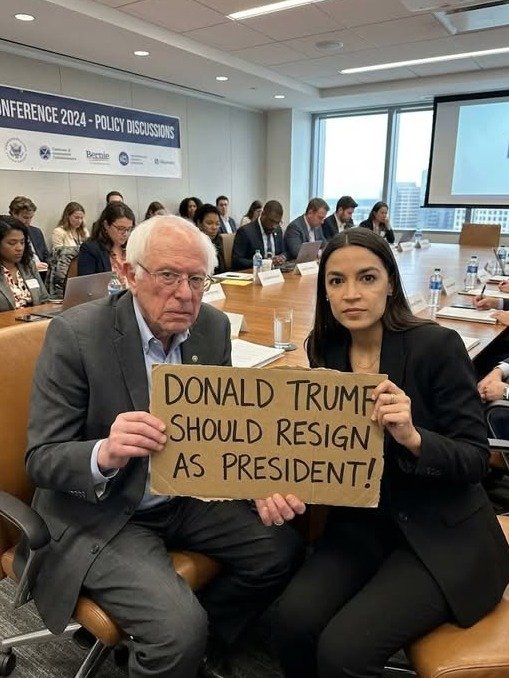
Imagine a world where falling ill means falling into financial ruin. For millions across America, this isn’t a dystopian fantasy, but a harsh, daily reality. This week, Senator Bernie Sanders and Representative Alexandria Ocasio-Cortez delivered a powerful, unified message from Washington, D.C., tearing into the very fabric of America’s healthcare system and declaring it ‘morally outrageous.’
Their joint appearance ignited a national conversation, putting the spotlight squarely on the systemic failures that leave countless families bankrupt, uninsured, or struggling to afford life-saving treatments. They didn’t hold back, articulating a vision where healthcare is a fundamental human right, not a privilege reserved for the wealthy.
The ‘Morally Outrageous’ Reality: A System in Crisis
Sanders and Ocasio-Cortez didn’t just criticize; they laid bare the stark realities faced by everyday Americans. They highlighted the exorbitant costs of prescription drugs, the crushing burden of medical debt, and the terrifying prospect of losing coverage simply by changing jobs or facing an unexpected illness. Their message resonated with the deep-seated frustration felt by many who navigate a complex, profit-driven system.
They emphasized that the United States, alone among major industrialized nations, continues to tie healthcare access to employment or personal wealth. This approach, they argued, is not only inefficient but fundamentally inhumane. The consequences are dire, leading to preventable deaths and a lower life expectancy compared to peer countries.
“It is morally outrageous that in the wealthiest nation on Earth, people are dying because they cannot afford the medication they need or the care they deserve,” declared Senator Sanders, his voice echoing with conviction. “This is not a healthcare system; it is a sickness industry designed to enrich corporate executives and shareholders.”
Exposing the Profit Motive Behind Patient Suffering
A significant portion of their critique focused on the pervasive influence of the insurance and pharmaceutical industries. They meticulously detailed how these multi-billion-dollar corporations prioritize profits over patient well-being, driving up costs and limiting access to essential services. The duo pointed to record corporate profits while ordinary Americans struggle with soaring premiums, deductibles, and co-pays.
Representative Ocasio-Cortez powerfully articulated the human cost of this profit-driven model. She spoke of constituents forced to choose between paying for groceries or insulin, or delaying crucial medical procedures due to prohibitive costs. This isn’t just about economics; it’s about dignity, quality of life, and the basic right to health.
- Skyrocketing Drug Prices: The U.S. pays significantly more for prescription drugs than any other developed nation.
- Medical Debt Crisis: Millions of Americans are burdened by medical debt, often leading to bankruptcy.
- Insurance Denials: Patients frequently face denials for necessary treatments, even with insurance.
- Lack of Universal Access: Millions remain uninsured or underinsured, leaving them vulnerable.
The Vision for a Fairer Future: Medicare for All
Both progressive leaders passionately reiterated their unwavering support for a single-payer healthcare system, commonly known as Medicare for All. They presented it not as a radical idea, but as a pragmatic and humane solution to America’s healthcare woes, aligning the U.S. with the successful models of other developed nations.
Under their proposed system, everyone would have comprehensive coverage, regardless of income, employment status, or pre-existing conditions. This would eliminate premiums, deductibles, and co-pays, replacing them with a progressive tax system that, they argue, would ultimately save most Americans money while improving health outcomes.
“Medicare for All isn’t just good policy; it’s good economics and a moral imperative,” stated Ocasio-Cortez. “It’s about ensuring that no one goes broke because they get sick, and that healthcare decisions are made by doctors and patients, not insurance company CEOs.”
Addressing the Roadblocks and Political Opposition
The path to such a transformative change is, of course, fraught with significant political challenges. Sanders and AOC acknowledged the fierce opposition from powerful lobbying groups representing insurance companies and pharmaceutical giants, who stand to lose billions under a single-payer system.
They also addressed concerns from conservative lawmakers and some moderate Democrats who argue that Medicare for All is too expensive or represents an overreach of government. However, the duo countered these arguments by pointing to the massive administrative waste in the current multi-payer system and the long-term economic benefits of a healthier population.
Their joint appearance was a clear signal that the fight for universal healthcare remains a central tenet of the progressive movement. They aim to galvanize public support, educate voters on the benefits of a single-payer system, and pressure lawmakers to prioritize the health of their constituents over corporate profits.
The Urgency of Now: Why This Moment Matters
The COVID-19 pandemic starkly exposed the vulnerabilities and inequities of the American healthcare system. Millions lost jobs and, with them, their health insurance, precisely when they needed it most. The pandemic underscored the critical need for a system that provides universal access and robust public health infrastructure.
Sanders and Ocasio-Cortez seized on this urgency, framing their renewed push for Medicare for All as a direct response to the lessons learned from the global health crisis. They argued that a healthy society is a resilient society, and that investing in universal healthcare is an investment in national security and economic stability.
Their passionate plea in Washington, D.C., was more than just a political statement; it was a rallying cry for justice, equity, and a fundamental shift in how America views and delivers healthcare. They challenged the nation to confront its conscience and decide whether healthcare truly is a human right, or merely a commodity.
Looking Ahead: The Battle for Healthcare Reform Continues
While the immediate legislative future of Medicare for All remains uncertain, the combined voices of Bernie Sanders and Alexandria Ocasio-Cortez ensure that the conversation will not fade. Their
About the Author




