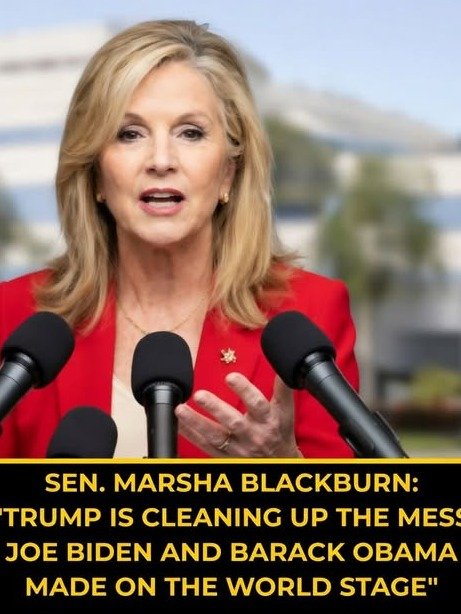
For decades, the bedrock of American foreign policy was clear: global leadership, alliances, and intervention. Then came ‘America First,’ and suddenly, everything changed. Was this a necessary reset, a bold restoration of national strength, or a dangerous reinterpretation that risks undermining the very foundations of U.S. influence?
This isn’t just a political talking point; it’s a fundamental question with profound implications for every aspect of American life, from your job to global stability. The future of U.S. power, prosperity, and peace hinges on how we understand and navigate this pivotal debate.
Understanding the “America First” Doctrine
At its core, the “America First” doctrine, famously championed by former President Donald Trump, represents a significant departure from the post-World War II foreign policy consensus. It posits that the United States should prioritize its domestic interests above all else, often questioning the value of multilateral agreements, international institutions, and long-standing alliances.
This approach emphasizes economic nationalism, transactional diplomacy, and a deep skepticism towards global commitments that are perceived as burdening American taxpayers or hindering American sovereignty. It’s less about isolationism in the traditional sense and more about a recalibration of priorities, where every international engagement must yield a tangible, immediate benefit for the U.S.
The Case for Restoration: Bolstering American Power
Proponents of “America First” argue that this strategy is not a retreat, but a vital restoration of American strength. They contend that decades of global engagement, nation-building, and generous foreign aid had diluted U.S. resources, led to costly wars, and allowed other nations to take advantage of American benevolence.
By focusing inward, the argument goes, the U.S. can rebuild its industrial base, secure its borders, and address domestic challenges more effectively. This internal strengthening, they believe, ultimately makes America a more formidable and respected power on the world stage, capable of projecting influence from a position of renewed economic and social health.
“We are putting America first. We are rebuilding our country, rebuilding our military, and defending our borders. We are standing up for our workers and our values. We are making America great again.” – Donald J. Trump
Furthermore, advocates suggest that “America First” forces allies to shoulder a greater share of collective security burdens, particularly within organizations like NATO. This isn’t about abandoning allies, but rather about ensuring a fairer distribution of costs, thereby strengthening the alliance system by making it more equitable and sustainable in the long run.
The Counter-Argument: A Dangerous Reinterpretation?
On the other side of the debate, critics argue that “America First” is a dangerous reinterpretation of American leadership, one that risks isolating the U.S. and ceding its global influence to rival powers. They contend that the U.S. has benefited immensely from the international order it helped create, an order built on alliances, free trade, and shared democratic values.
Dismantling these frameworks, even in the name of national interest, could lead to instability, economic disruption, and a vacuum that adversaries would eagerly fill. The withdrawal from international agreements, the imposition of tariffs, and the strained relationships with traditional partners are seen as self-inflicted wounds that weaken, rather than strengthen, the U.S.
- Erosion of Alliances: Questioning the value of NATO or other treaties can undermine collective security.
- Economic Instability: Tariffs and trade wars can harm American businesses and consumers.
- Loss of Soft Power: Retreating from global leadership diminishes the U.S.’s moral authority and diplomatic influence.
- Empowerment of Rivals: Reduced U.S. engagement creates opportunities for China and Russia to expand their influence.
Many foreign policy experts warn that a transactional approach to international relations, where every interaction is viewed through the lens of immediate gain, erodes trust and makes it harder to address complex global challenges like climate change, pandemics, or nuclear proliferation, which inherently require multilateral cooperation.
Historical Context: A Legacy Under Scrutiny
To fully grasp the magnitude of the “America First” debate, it’s crucial to consider the historical context. For much of the 20th century, particularly after World War II, the U.S. embraced a role as a global hegemon, leading the creation of institutions like the United Nations, the World Bank, and the International Monetary Fund. This era saw the expansion of democratic ideals and unprecedented economic growth, often attributed to American leadership.
The Cold War further solidified the U.S.’s commitment to alliances and ideological competition, forging strong bonds with nations around the world. Even after the fall of the Soviet Union, the U.S. largely maintained its position as the sole superpower, advocating for a rules-based international order.
“America First” challenged this long-standing paradigm, arguing that the costs of maintaining this order had become unsustainable and that the benefits were no longer primarily accruing to the American people. It tapped into a vein of popular discontent with globalization and perceived elite detachment from the struggles of ordinary Americans.
Economic Implications: Trade Wars and Domestic Prosperity
One of the most visible aspects of “America First” has been its focus on trade. The doctrine championed protectionist policies, imposing tariffs on goods from countries like China and even traditional allies, with the stated goal of protecting American industries and jobs. Renegotiating trade agreements like NAFTA (leading to the USMCA) was also a key priority.
Proponents lauded these moves as necessary steps to level the playing field and bring manufacturing back to the U.S. They argued that previous trade deals had led to job losses and economic stagnation in various American sectors. The idea was to prioritize American workers and businesses, ensuring that economic prosperity began at home.
However, critics warned of the potential for retaliatory tariffs, increased consumer prices, and disruption to global supply chains. They argued that isolating the U.S. from the global economy would ultimately harm American competitiveness and limit market access for U.S. exports, leading to a net negative impact on the economy and potentially sparking a global recession.
The Future of American Foreign Policy: A Lingering Question
Even after the Trump administration, the “America First” philosophy continues to influence the foreign policy discourse. While subsequent administrations may revert to more traditional approaches, the questions raised by “America First”—about the costs and benefits of global leadership, the balance between domestic and international priorities, and the nature of alliances—remain potent.
The debate is not merely about whether the U.S. should be involved in the world, but *how* it should be involved. Is a more transactional, self-interested approach a viable long-term strategy for maintaining power in a multipolar world, or is it a short-sighted tactic that sacrifices enduring influence for fleeting gains?
Ultimately, the legacy of “America First” will be judged by its long-term impact on American prosperity, security, and standing in the world. Whether it’s viewed as a necessary course correction that restored American strength or a misguided policy that weakened its global position will depend on the evolving geopolitical landscape and the choices made by future leaders. One thing is certain: the conversation about America’s role in the world has been irrevocably altered.
Navigating a Complex World: What Does it Mean for You?
This ongoing debate transcends the halls of power; it directly impacts your daily life. Trade policies affect the prices you pay and the availability of goods. International stability influences energy prices and job markets. The strength of U.S. alliances can determine the likelihood of future conflicts and the safety of global travel.
Understanding the nuances of “America First”—its intentions, its successes, and its criticisms—is crucial for any engaged citizen. It’s about recognizing the forces shaping our nation’s destiny and making informed decisions about the kind of global power you want the United States to be. The choice between restoration and reinterpretation is a complex one, with stakes that couldn’t be higher.
About the Author




