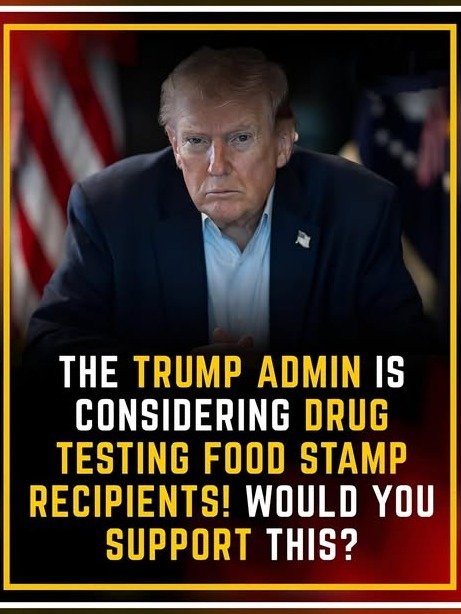
Imagine needing vital assistance to put food on the table, only to be told you must first prove your sobriety. This isn’t a hypothetical scenario from a dystopian novel; it’s a very real legislative consideration that could fundamentally reshape America’s Supplemental Nutrition Assistance Program (SNAP).
Reports indicated that the Trump administration was seriously considering legislation that would mandate drug testing for individuals receiving SNAP benefits, a move that sparked immediate and intense debate across the nation. This proposal, exemplified by initiatives like H.R. 372, aims to introduce a significant new hurdle for those seeking food assistance.
The Heart of the Matter: Drug Testing for SNAP
At the core of this discussion is the idea of requiring drug tests for recipients of the Supplemental Nutrition Assistance Program, more commonly known as food stamps. For many, SNAP is a critical lifeline, providing low-income individuals and families with the means to purchase nutritious food.
The specific legislation reportedly under consideration, H.R. 372, aimed to amend the Food and Nutrition Act of 2008. Its primary objective was to mandate drug testing for certain SNAP recipients, particularly able-bodied adults without dependents (ABAWDs). This wasn’t just a minor tweak; it represented a potentially seismic shift in how welfare programs operate in the United States.
Understanding SNAP: A Vital Safety Net
Before diving deeper into the controversy, it’s crucial to understand what SNAP is and who it serves. SNAP is the largest federal nutrition assistance program, providing benefits to millions of eligible low-income individuals and families. It helps combat food insecurity by allowing recipients to purchase groceries at authorized retailers.
The program is designed to be a safety net, ensuring that no American goes hungry, especially during times of economic hardship, unemployment, or disability. Recipients include working families struggling with low wages, seniors on fixed incomes, individuals with disabilities, and children.
The Rationale: Why Proponents Push for Drug Testing
Proponents of drug testing for SNAP recipients often articulate several key arguments. One of the primary drivers is the belief that taxpayer money should not be used to subsidize drug use. The argument is that if individuals are spending their SNAP benefits on illicit substances, it undermines the program’s intent to provide nutrition.
Furthermore, advocates suggest that such testing could act as a deterrent to drug use, encouraging healthier lifestyles and promoting self-sufficiency. There’s also a fiscal responsibility angle, with some arguing that drug testing could save taxpayer dollars by reducing the number of individuals misusing benefits or by identifying those who might benefit from drug rehabilitation services.
“We have a responsibility to ensure that public funds are used wisely and effectively. Drug testing for welfare benefits is a common-sense approach to safeguard taxpayer dollars and promote responsible behavior.” – A common sentiment among supporters.
Many also view this as part of a broader welfare reform agenda, aiming to introduce stricter requirements and accountability into government assistance programs. This aligns with the philosophy of encouraging work and personal responsibility among beneficiaries.
The Counter-Arguments: Concerns and Criticisms
Despite the stated intentions, proposals for drug testing SNAP recipients face robust opposition from a wide array of civil liberties advocates, poverty reduction groups, and even some fiscal conservatives. Their concerns are multifaceted and deeply rooted in both practical and ethical considerations.
Perhaps the most significant criticism revolves around cost-effectiveness. Studies of similar drug testing programs for other welfare benefits, such as Temporary Assistance for Needy Families (TANF), have consistently shown that the cost of administering the tests far outweighs any savings from denied benefits. Positive test rates are often extremely low, sometimes less than 1%, making the programs financially inefficient.
Privacy concerns are also paramount. Opponents argue that requiring drug tests for basic nutritional assistance could constitute an unreasonable search, potentially violating Fourth Amendment rights. They question whether the government has a compelling interest to subject individuals to such intrusive procedures merely for seeking food aid.
Stigmatization and Discrimination
Critics also highlight the potential for stigmatization and discrimination. Mandating drug tests for SNAP recipients can perpetuate harmful stereotypes that individuals receiving public assistance are inherently prone to drug abuse. This can create a climate of distrust and shame for those already struggling.
Moreover, such policies could disproportionately affect certain demographics, including minority groups and low-income populations, who may already face systemic barriers. It places an additional burden on vulnerable individuals, potentially pushing them further into poverty rather than helping them achieve stability.
There’s also the question of effectiveness. Will drug testing truly reduce drug use, or will it simply make it harder for people struggling with addiction to access food, potentially exacerbating their problems and making recovery more difficult? Many argue that funding treatment and support services would be a far more effective approach.
Historical Precedents and Outcomes
The idea of drug testing for welfare benefits is not new. Several states have implemented drug testing requirements for other programs, most notably TANF. The outcomes of these experiments have been largely consistent: high administrative costs, very low positive rates, and frequent legal challenges.
- Florida’s TANF Drug Testing: In 2011, Florida enacted a law requiring drug testing for all TANF applicants. A federal appeals court ultimately blocked the law, citing Fourth Amendment concerns. During its brief implementation, the state spent significantly more on testing than it saved in denied benefits, with a positive test rate of only 2.6%.
- Other State Efforts: States like Arizona, Michigan, and Wisconsin also explored or implemented similar measures, often encountering similar legal hurdles and demonstrating minimal impact on drug use rates among beneficiaries.
These historical precedents suggest that while the intention might be to deter drug use, the practical application often results in costly, ineffective programs that face significant legal and ethical objections.
The Trump Administration’s Broader Welfare Reform Agenda
The consideration of drug testing for SNAP recipients under the Trump administration was part of a broader push for welfare reform. The administration often emphasized policies aimed at promoting work requirements, reducing dependency on government aid, and ensuring the
About the Author




