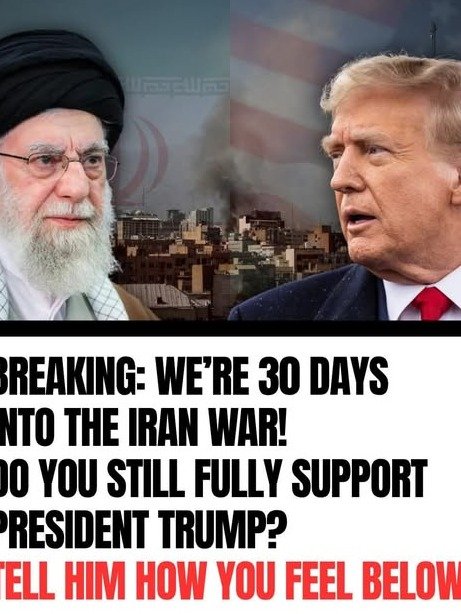
What if the headlines aren’t telling the full story of the escalating crisis with Iran? For nearly a month, the world has watched with bated breath as tensions between the United States and the Islamic Republic have spiraled, yet the true depth of this standoff remains largely unseen by the public.
This isn’t just another geopolitical squabble; it’s a high-stakes gamble with global implications, and understanding its nuances is critical. The rhetoric is intense, the military posturing is undeniable, and the potential for miscalculation looms larger than ever before.
A Volatile History: Seeds of Distrust
To truly grasp the current predicament, one must look beyond the immediate headlines and delve into the intricate, often fraught, history between Washington and Tehran. Decades of mistrust, regime changes, and proxy conflicts have paved a rocky road, culminating in the precarious situation we face today.
The 2015 Joint Comprehensive Plan of Action (JCPOA), commonly known as the Iran nuclear deal, offered a brief glimmer of hope for diplomatic resolution. It was an agreement designed to curb Iran’s nuclear ambitions in exchange for sanctions relief, a complex compromise that divided opinions globally.
However, the U.S. withdrawal from the JCPOA in 2018 marked a significant turning point, reigniting old animosities and setting the stage for the current escalation. This decision, driven by concerns over the deal’s perceived weaknesses and Iran’s broader destabilizing activities in the region, dramatically altered the geopolitical landscape.
The Escalation Timeline: A Month of Mounting Pressure
The past month has been a whirlwind of provocative actions and retaliatory measures, each contributing to a dangerously escalating cycle. From alleged attacks on oil tankers in the Gulf to drone shoot-downs and increased sanctions, the region has been a tinderbox awaiting a spark.
Iran, for its part, has responded by incrementally reducing its commitments under the nuclear deal, enriching uranium beyond agreed limits, and demonstrating its military capabilities. These actions are often framed as responses to U.S. “maximum pressure” tactics, designed to force a return to the negotiating table on Iranian terms.
The U.S. has countered with a significant military build-up in the Persian Gulf, deploying aircraft carriers, bombers, and additional troops. This show of force is intended as a deterrent, sending a clear message that any aggression against American interests or allies will be met with a decisive response.
“The current situation is akin to two scorpions in a bottle, each capable of inflicting a deadly sting, with little room for error,” noted one international relations expert. “De-escalation requires a level of diplomatic finesse that seems increasingly scarce.”
America’s Strategic Calculus: What Are the Goals?
Understanding U.S. foreign policy objectives in this standoff is crucial. While preventing Iran from acquiring nuclear weapons remains a paramount concern, the administration’s aims extend beyond this. There’s a clear desire to curb Iran’s regional influence, which Washington views as inherently destabilizing.
This includes supporting proxy groups in Yemen, Syria, Iraq, and Lebanon, as well as developing advanced ballistic missile capabilities. The U.S. strategy appears to be one of economic strangulation and diplomatic isolation, hoping to force a change in Tehran’s behavior, if not its regime.
However, critics argue that this “maximum pressure” approach risks cornering Iran, making it more unpredictable and potentially leading to unintended consequences. The line between deterrence and provocation is incredibly fine, and misjudging it could have catastrophic results.
Iran’s Defiant Stance: A Nation Under Pressure
From Tehran’s perspective, the U.S. actions are an act of economic warfare, designed to cripple its economy and ultimately overthrow its government. The Iranian leadership, deeply rooted in revolutionary ideology, views capitulation as an unacceptable betrayal of its principles and sovereignty.
Iran’s strategic responses are multifaceted. They include leveraging their influence over key waterways like the Strait of Hormuz, supporting regional allies to project power, and making symbolic gestures of defiance regarding their nuclear program. The goal is to demonstrate resilience and force the U.S. to ease sanctions and return to the original nuclear deal.
The internal dynamics within Iran are also critical. Hardliners and reformists often clash, but external pressure tends to unify factions against a common enemy. This makes predicting Iran’s next move even more challenging for international observers.
The Regional Domino Effect: Allies and Adversaries on Edge
The ripple effects of this standoff are acutely felt across the Middle East. U.S. allies like Saudi Arabia and Israel, who view Iran as their primary regional threat, are closely monitoring the situation. They often advocate for a hardline stance against Tehran, fearing its growing influence and nuclear ambitions.
Other nations, particularly Iraq, find themselves caught in the middle. With strong ties to both the U.S. and Iran, Baghdad faces immense pressure to navigate a delicate balance, trying to avoid becoming a battleground for external powers. The security of oil shipping lanes in the Persian Gulf is also a major concern for global energy markets.
- Saudi Arabia: Fears Iranian expansionism and proxy warfare.
- Israel: Views Iran’s nuclear program and missile development as existential threats.
- Iraq: Struggles to maintain sovereignty amidst competing U.S. and Iranian influence.
- Global Energy Markets: Vulnerable to disruptions in oil supply from the Gulf.
Economic Fallout and Global Repercussions
Beyond the immediate military and political tensions, the economic consequences of this standoff are profound. U.S. sanctions have severely impacted Iran’s oil exports, a crucial lifeline for its economy, leading to widespread inflation and hardship for ordinary Iranians.
Globally, the uncertainty surrounding the Strait of Hormuz, a vital chokepoint for a significant portion of the world’s oil supply, has kept energy markets on edge. Any major disruption could send oil prices soaring, impacting economies worldwide and potentially triggering a global recession.
The broader implications for international trade and diplomacy are also significant. The U.S. “maximum pressure” campaign tests the limits of unilateral action and challenges the established norms of international engagement, potentially alienating allies who prefer a diplomatic approach.
A Nation Divided: American Public Opinion
Back home, recent polling reveals a deeply divided American public on the approach to Iran. While there’s general agreement on preventing Iran from developing nuclear weapons, opinions diverge sharply on the means to achieve this goal.
Many Americans express a strong aversion to another costly military intervention in the Middle East, remembering the prolonged conflicts in Iraq and Afghanistan. They advocate for diplomacy and a return to multilateral agreements, emphasizing the human and financial toll of war.
Conversely, a significant segment supports a more assertive stance, believing that strong economic pressure and military deterrence are the only ways to rein in Iran’s behavior. This division often falls along partisan lines, reflecting broader ideological differences in foreign policy.
“The American people are war-weary,” commented a political analyst. “They understand the risks, but they also question the effectiveness of endless military engagements. Finding a path forward that satisfies both security concerns and a desire for peace is the ultimate challenge.”
Pathways Forward: Diplomacy or Escalation?
As the standoff enters its second month, the critical question remains: what’s next? The paths ahead appear starkly different, ranging from renewed diplomatic efforts to a full-blown military confrontation. Each option carries immense risks and potential rewards.
Diplomacy, though currently stalled, remains a viable avenue. It would require significant concessions from both sides, possibly involving a revised nuclear deal, security guarantees, and a framework for regional de-escalation. However, the trust deficit is enormous, making direct talks incredibly difficult.
The danger of accidental escalation is ever-present. A miscalculation, a rogue action by a proxy group, or a misunderstanding of intentions could quickly spiral out of control, dragging both nations into a conflict neither side explicitly desires but struggles to avoid.
The alternative, a continued state of “maximum pressure” without a clear diplomatic off-ramp, risks entrenching the current dangerous status quo, leaving the region on a permanent knife-edge. The international community, therefore, has a vested interest in encouraging dialogue and finding a peaceful resolution.
The Stakes Couldn’t Be Higher
The month-long escalation between the U.S. and Iran is far more than a fleeting news cycle; it’s a profound challenge with deep historical roots and potentially catastrophic consequences. From the strategic calculations in Washington and Tehran to the anxieties felt in regional capitals and among the American public, the stakes couldn’t be higher.
As the world watches, the urgent need for wise leadership, strategic patience, and a genuine commitment to de-escalation becomes paramount. The future of stability in the Middle East, and indeed global energy security, hinges on finding a way to navigate this unseen battle without succumbing to the specter of war.
About the Author




